
Why your mini split won't turn on in a Wisconsin winter
Why won't my mini split turn on when it's cold out?
A cold morning in Wisconsin and the mini split in the bedroom or the add-on room won't start. The thermostat's set right, the breaker looks fine, but nothing happens when you turn it on. Most houses here heat with gas, so the mini split might only be running a spare room, and when it goes quiet on a night that's below freezing, you want to know if that's normal or if something's actually wrong.
It's protecting itself from the cold, or something's actually failed
Most mini splits are built to lock out below a certain outdoor temperature, often somewhere around 5 to 0 degrees, to keep the outdoor unit from trying to run a compressor against frost and ice it can't handle. On a Wisconsin night that drops into single digits or below zero, that lockout is doing exactly what it was designed to do, and the unit should come back on its own once it warms up some. If it stays dead once temperatures climb back into the teens or twenties, or it won't start even on a milder day, the lockout isn't the explanation anymore. At that point you're looking at a frozen outdoor coil, a failed defrost sensor, or a control board that isn't getting the signal to run.
Why the cold shuts it down
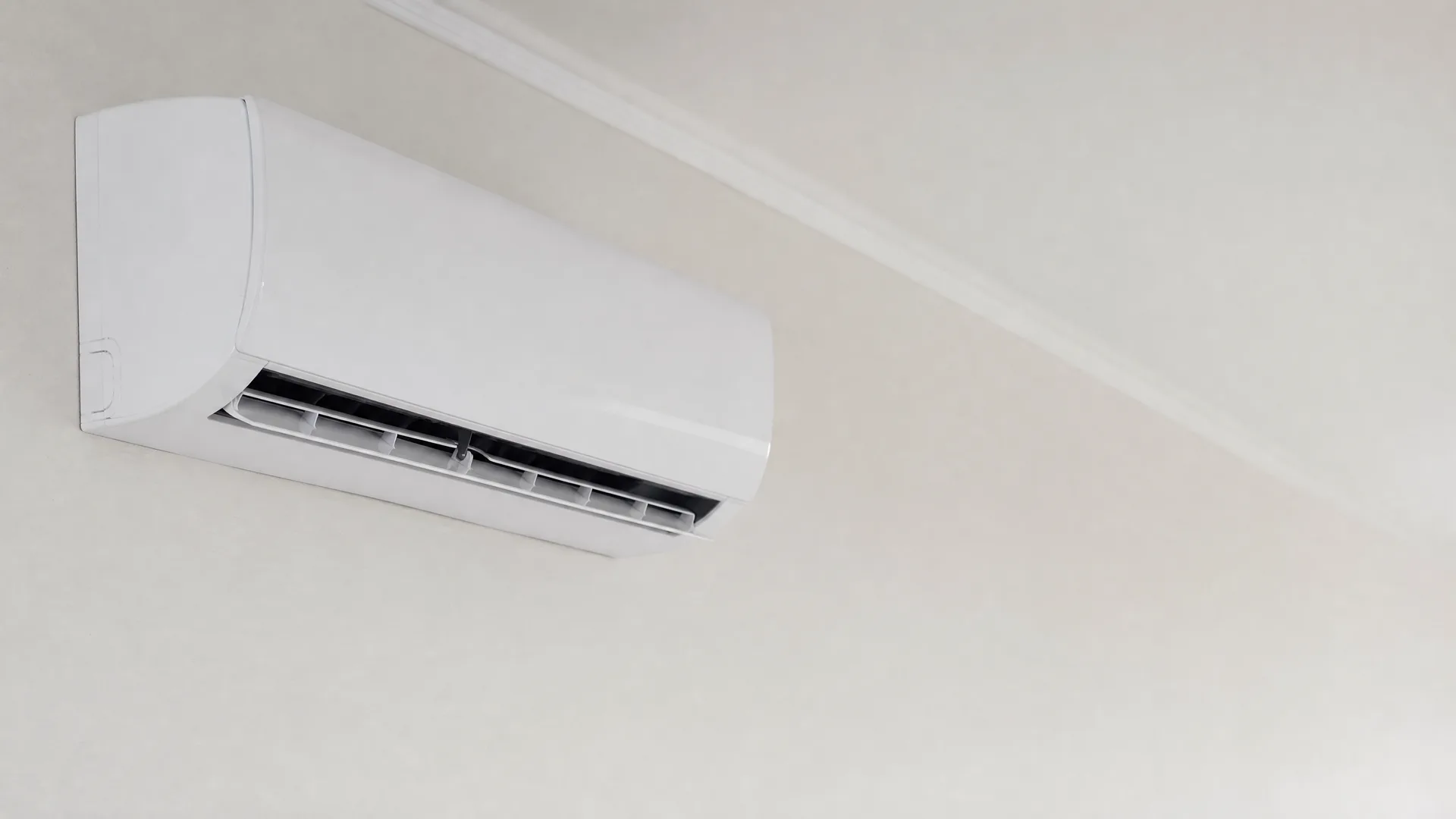
A mini split heats by pulling heat out of the outdoor air, even when that air is below freezing. Below a certain outdoor temperature, usually somewhere around minus 5 to minus 15 degrees depending on the model, the outdoor unit can't pull enough heat to run safely, so it locks out and waits. That's not a malfunction. It's the unit protecting its compressor until the air outside warms up enough for it to work again.
Frost is doing its job
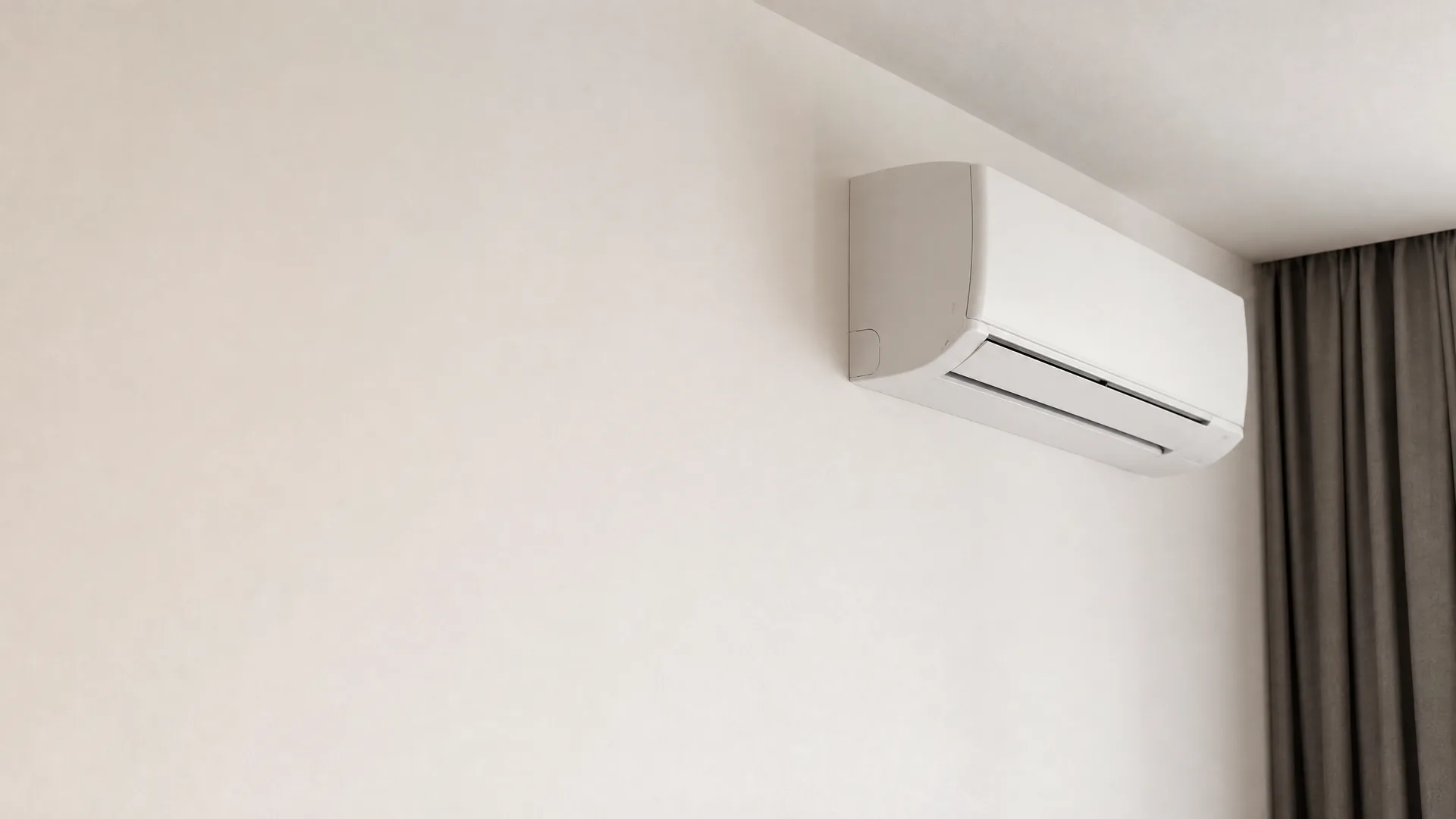
If you look at the outdoor unit and see frost or a layer of ice across the coil, that's normal on a cold day. The unit runs a defrost cycle on its own, reversing briefly to melt that ice before going back to heating. If the coil stays solid with ice and never clears, or the outdoor fan isn't spinning at all, that points to a problem a contractor needs to look at rather than the cold doing what cold does.

What a dead mini split costs you in January
If the bedroom or the add-on room runs on that mini split alone, a no-start means that room goes cold while the rest of the house, heated by gas, stays warm. You'll feel it fastest in whichever room has no other source of heat. A space heater can hold you over, but it's not built to run for days, and it adds to a power bill that's already high here.
The longer a mini split sits dead in the cold, the more a homeowner starts checking the outdoor unit for ice buildup or wondering if the defrost board failed. You don't have to work that out on your own. Send the details of what's happening and a contractor who handles mini splits in this kind of cold gets back to you, so you're not the one tracking down who's free and who knows the equipment.


Outdoor sensor reads the coil temperature before startup.
Control board compares that reading against its low-limit cutoff.
Below the cutoff, the board blocks the compressor from starting.
A frosted or iced coil can trigger the same lockout.




The right pro for this job
You've checked the breaker, checked the thermostat, and the room is still cold. At this point you're not troubleshooting anymore, you're just losing hours while that room sits at whatever temperature it fell to overnight. A lockout from a frosted coil or a low-limit cutoff isn't something you clear by flipping the unit off and on a few times. It needs someone to look at the outdoor unit itself and tell you whether the coil's iced over, the sensor's reading wrong, or something else is keeping the compressor from starting. With gas heat carrying the rest of the house, it's easy to put this off since nobody's at risk of freezing, but that's also why it's easy to let a mini split sit broken for weeks once winter sets in. Send the request and let a contractor who knows these systems take it from here. That's one less thing you're tracking while it's single digits outside.
How defrost mode actually works
- Defrost mode reverses the cycle for a few minutes to melt ice off the outdoor coil.
- During defrost the indoor fan usually stops so it doesn't blow cold air into the room.
- A unit sized too small for the room runs flat out in cold weather and still falls short.
- Most mini splits rated for cold climates list a minimum operating temperature in the manual.
- Ice that builds faster than the defrost cycle clears it will eventually trip the low-limit cutoff.
- A clogged outdoor coil or blocked fan can keep the unit from recovering after defrost.
Cold outdoor air holds less heat for the mini split to pull from, and the outdoor coil picks up frost as it works. Every so often the unit switches into defrost mode. It briefly reverses the refrigerant cycle, sending warm gas to the outdoor coil to melt the ice off before switching back to heating. You might notice the indoor fan shut off for a few minutes during this, which is normal. It stops blowing air because that air would come out cold while the system is mid defrost, not because anything is wrong.
Most of the time this cycle runs on its own and you never notice it. Problems start when the coil ices up faster than defrost can clear it. A unit that's undersized for the room ends up running at full output for long stretches in cold weather, which means more frost buildup and more frequent defrost cycles, and it still may not keep the room at temperature. If the outdoor coil or fan is dirty or blocked, airflow drops and the unit can't fully recover once a defrost cycle ends. Either way, ice keeps building until the system's low-limit cutoff shuts the compressor down rather than let it run buried in frost.
Check your manual for the minimum operating temperature it's rated for. Cold-climate models list one, and a unit running near or below that number in a Wisconsin January is working at its limit even when nothing is actually broken.
Power costs 18.08 cents per kilowatt-hour statewide
That rate applies whether a backup resistance strip or an oversized mini split is straining to keep up on the coldest nights. A mini split that short-cycles or runs constantly trying to heat past its limit adds up fast on a bill already higher than most other states pay.
EIA-861 2025 statewide residential average
You could wait until morning to see if it starts on its own once the sun warms the outdoor unit a few degrees.
Or you could have someone look at why it locked out in the first place, so the next cold snap doesn't leave that room dark again.


That same humidity works the mini split hard before winter ever shows up. NOAA puts the average summer dew point across Wisconsin at 60°F, sticky enough that the indoor coil is pulling moisture out of the air most of the summer, not just cooling it. That's extra run time nobody sees on the thermostat, just on the compressor and the coil itself. A unit that's been working that hard all summer goes into the cold months already carrying wear, and wear is exactly what shows up as a lockout on the first hard freeze.
NASA POWER T2MDEW county cells weighted by homes
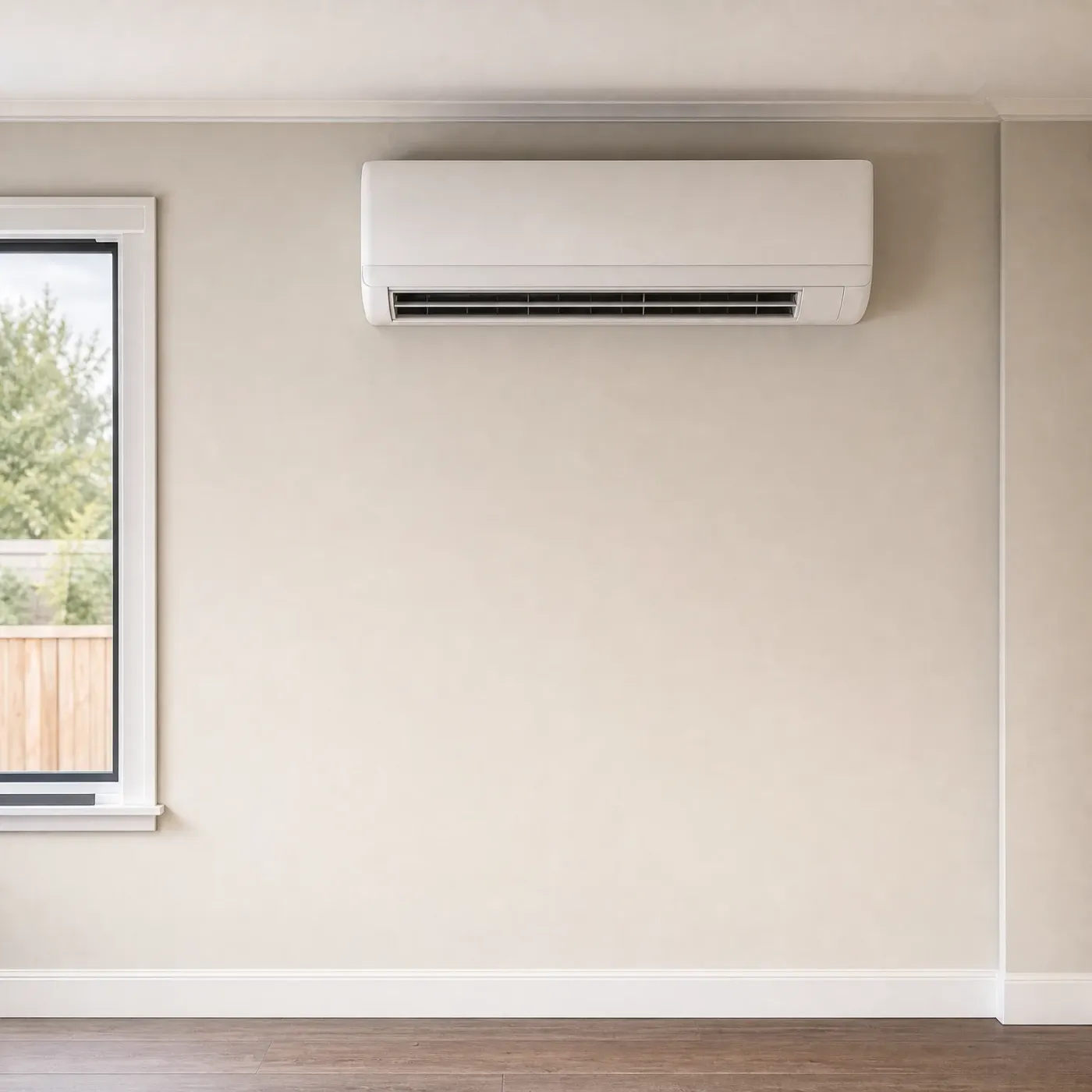
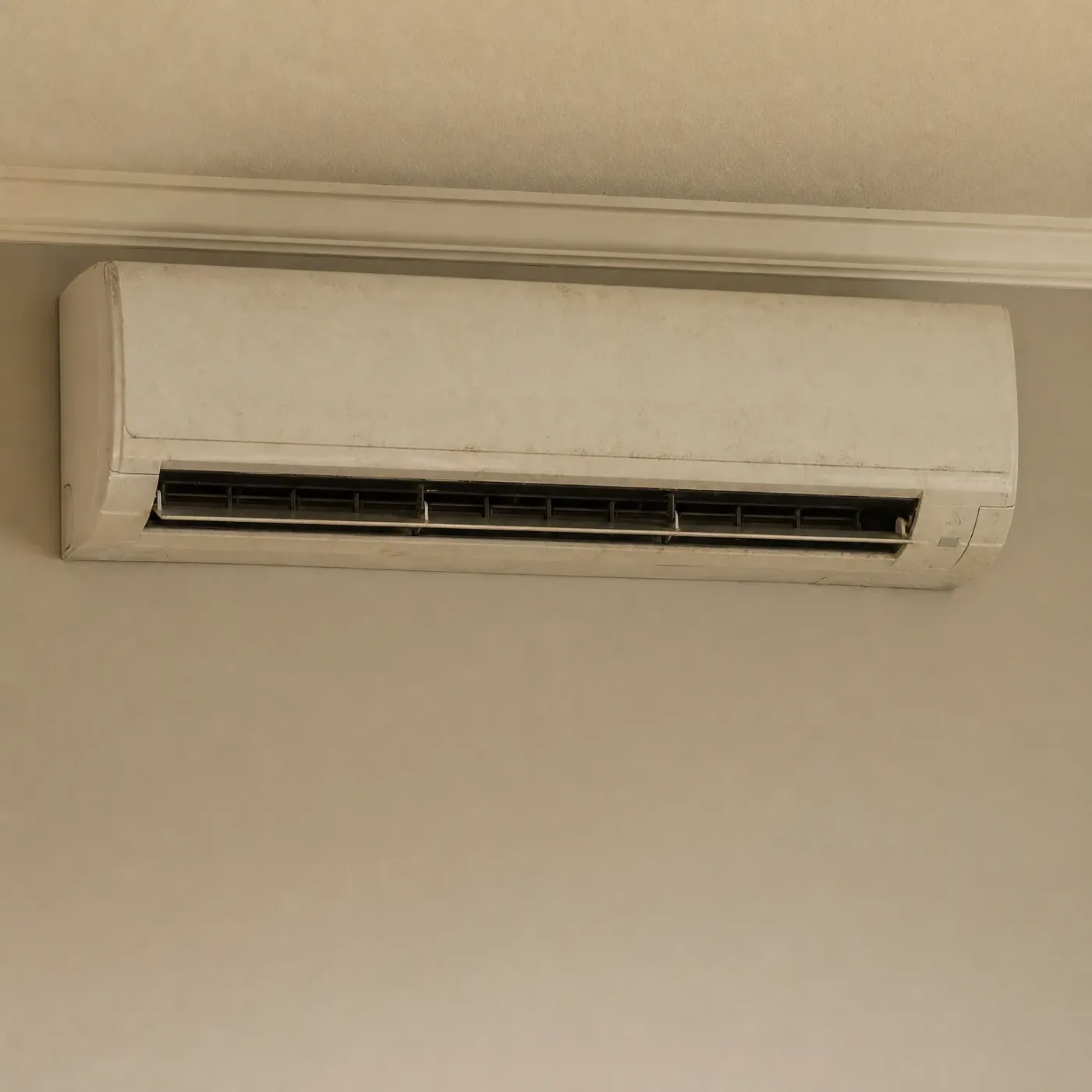
A mini split that won't start on a cold morning is usually telling you something specific: a low-limit lockout, a frosted coil, a sensor that's stopped reading right, or a unit that was never sized for what this room needs on the coldest nights. That's a short list of real causes, not a mystery. Someone who works on these every winter can look at the outdoor unit, check the sensor and the coil, and tell you which one it is. Once you send the form, you're done hunting for who to call. That part stops being on you, and a contractor who handles this equipment takes it from there. The room that's gone cold doesn't have to stay that way through another night of gas heat everywhere else and nothing from the mini split. You checked the breaker. You checked the thermostat. The next step isn't more checking, it's getting someone out who already knows what a lockout like this usually means.





Matched to your mini split job
After this form, you can stop searching for a mini split pro.
You're not committing to anything by asking.