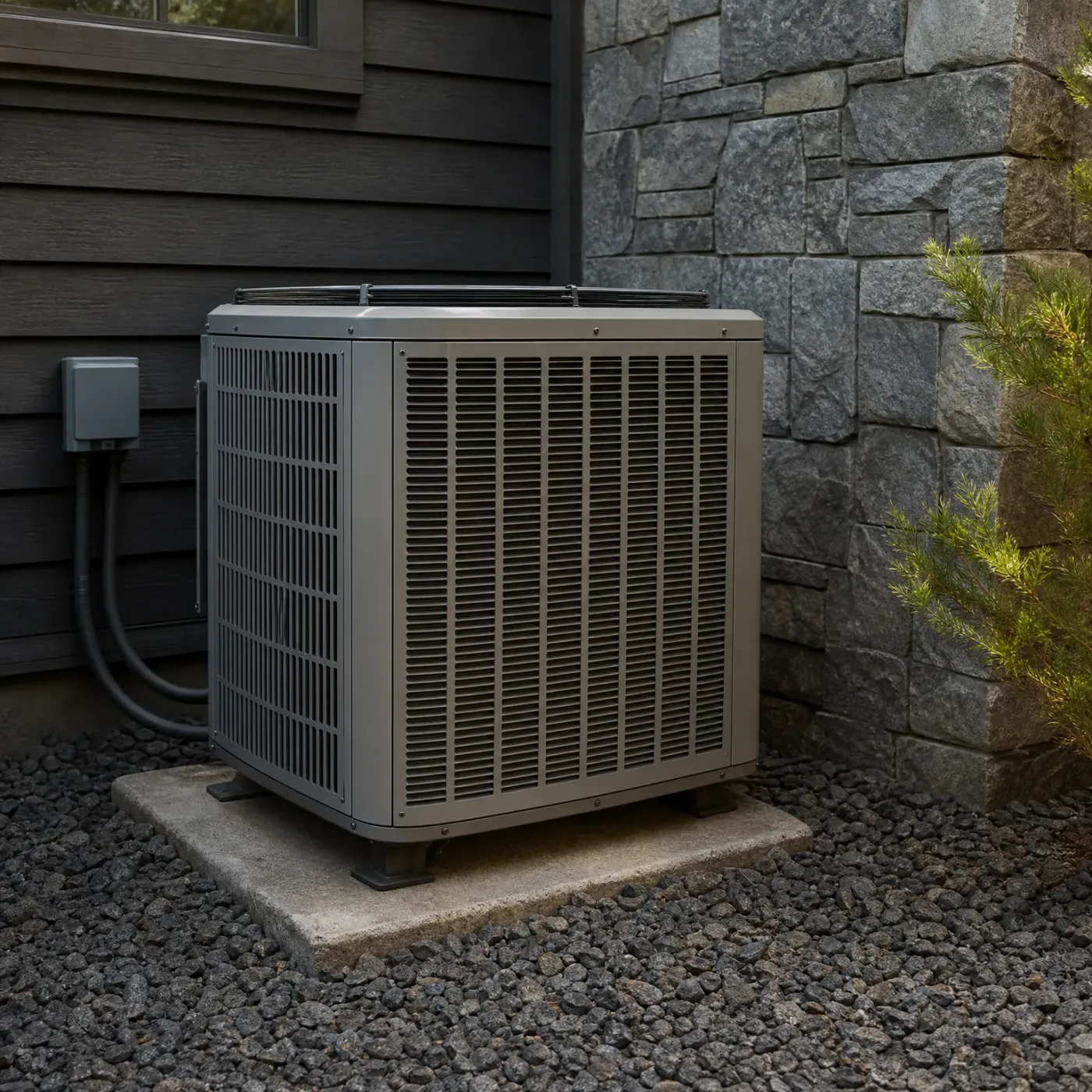
Normal operation
A mini split that sounds fine on a cold morning is doing what it's supposed to do. You'll hear the outdoor unit cycle, maybe a soft click when it switches modes, and the indoor head stays quiet. No rattle, no grinding, no smell.
Explain it one time
Cold snaps bring out a rattle, a buzz, or a clicking from the outdoor unit, and you want to know if that's normal or if something's wrong before the next deep freeze. This page gets into what mini splits do in cold weather and what noise means trouble. Skip the search for a mini split contractor in Wisconsin, the back and forth explaining the sound, and the quotes to sort through. One licensed local contractor who works on these units all winter looks at yours.
Skip the callsThat clicking or buzzing is usually the defrost cycle. Below freezing, frost builds up fast on the outdoor coil, and the mini split has to stop heating every so often, reverse itself, and melt it off before going back to work. The clicks come from a reversing valve switching direction, and the buzz or hum is the fan and compressor changing speed as the system shifts modes. In a Wisconsin winter, with long stretches well below freezing, this happens often, so you'll hear it a lot more than you would in a milder climate. A rattle is different. That usually means something loose, like a fan blade, a panel, or a mount, and it won't go away on its own. If the noise comes with weak heat, ice that isn't clearing after defrost, or a unit that's cycling on and off constantly, that's a sign the system is struggling, not just adjusting to the cold, and it's worth having someone look at it before it has to work that hard every day this winter.
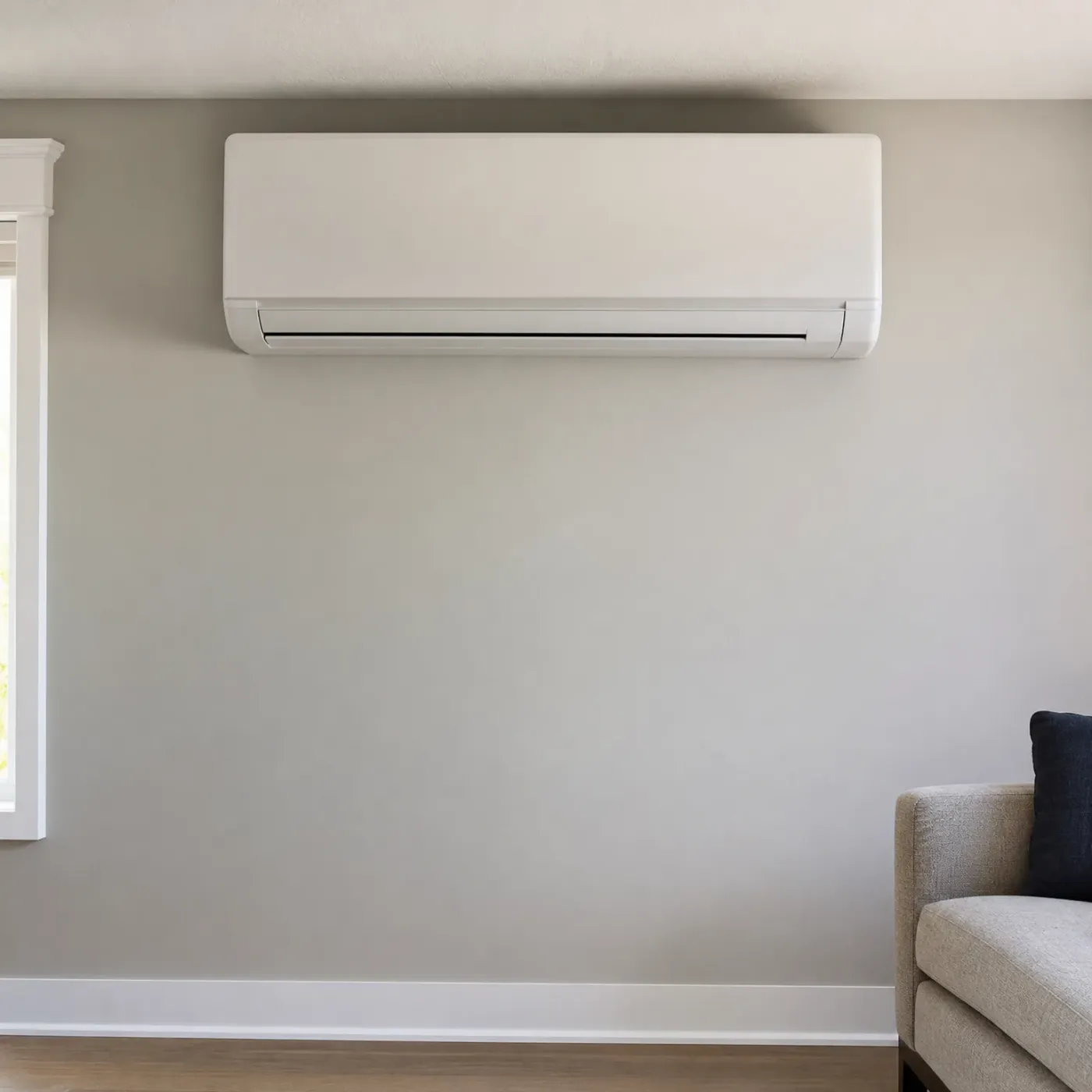
A mini split that sounds fine on a cold morning is doing what it's supposed to do. You'll hear the outdoor unit cycle, maybe a soft click when it switches modes, and the indoor head stays quiet. No rattle, no grinding, no smell.
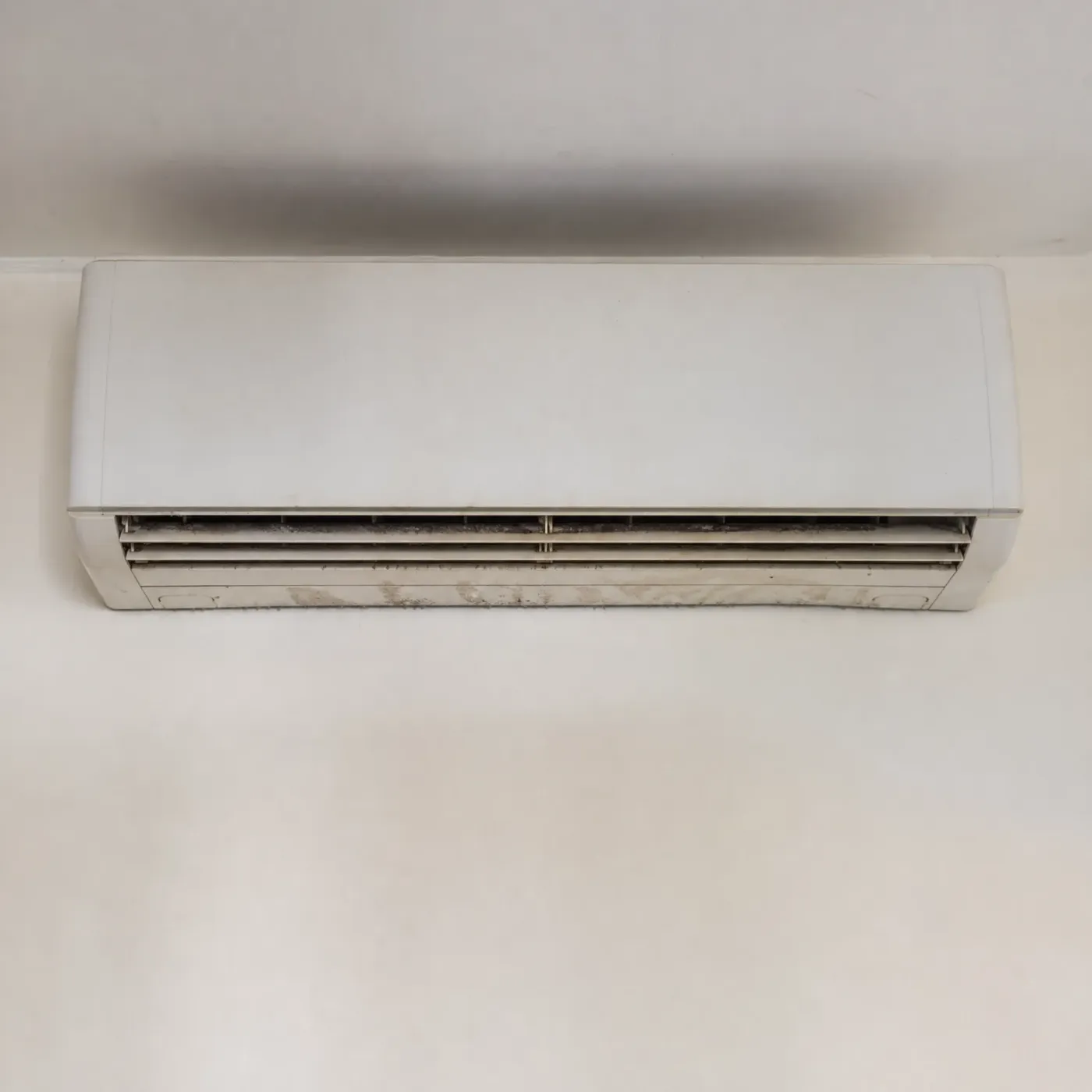
Dirt and mold along the vents like this cut airflow across the coil, and a mini split working that hard against a Wisconsin cold snap will make noise doing it. A local tech who services these units every winter can tell you if it's buildup or something failing underneath.
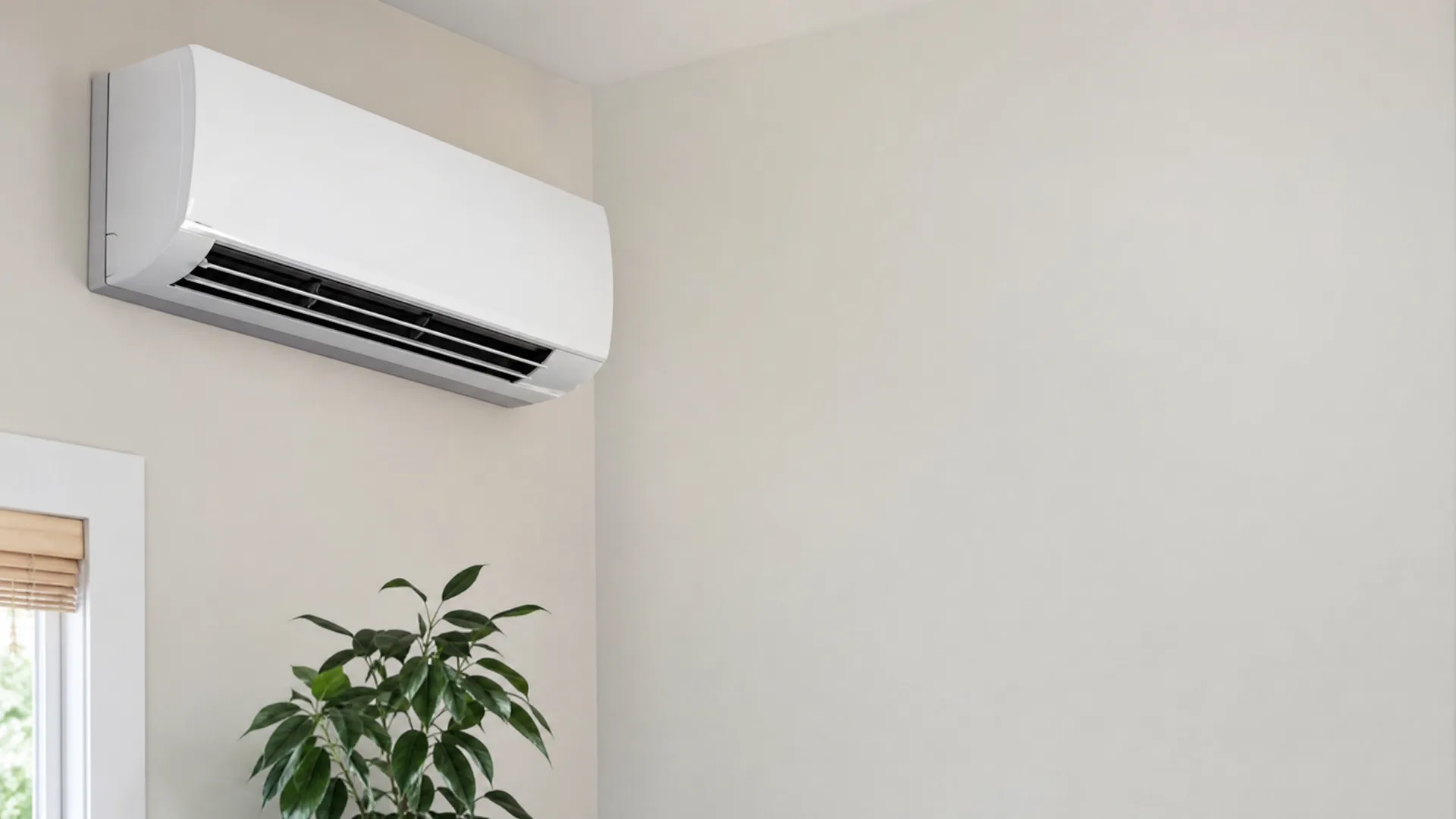
The reversing valve is what lets a mini split heat in the winter and cool in the summer. It swaps the direction refrigerant flows through the system. Every defrost cycle, it has to switch over, melt the frost off the outdoor coil, then switch back to heating. That's the click or clunk you hear from the outdoor unit. It's a mechanical part moving inside a metal valve body, so some sound is normal. A loud bang or a valve that won't switch back is a different matter.
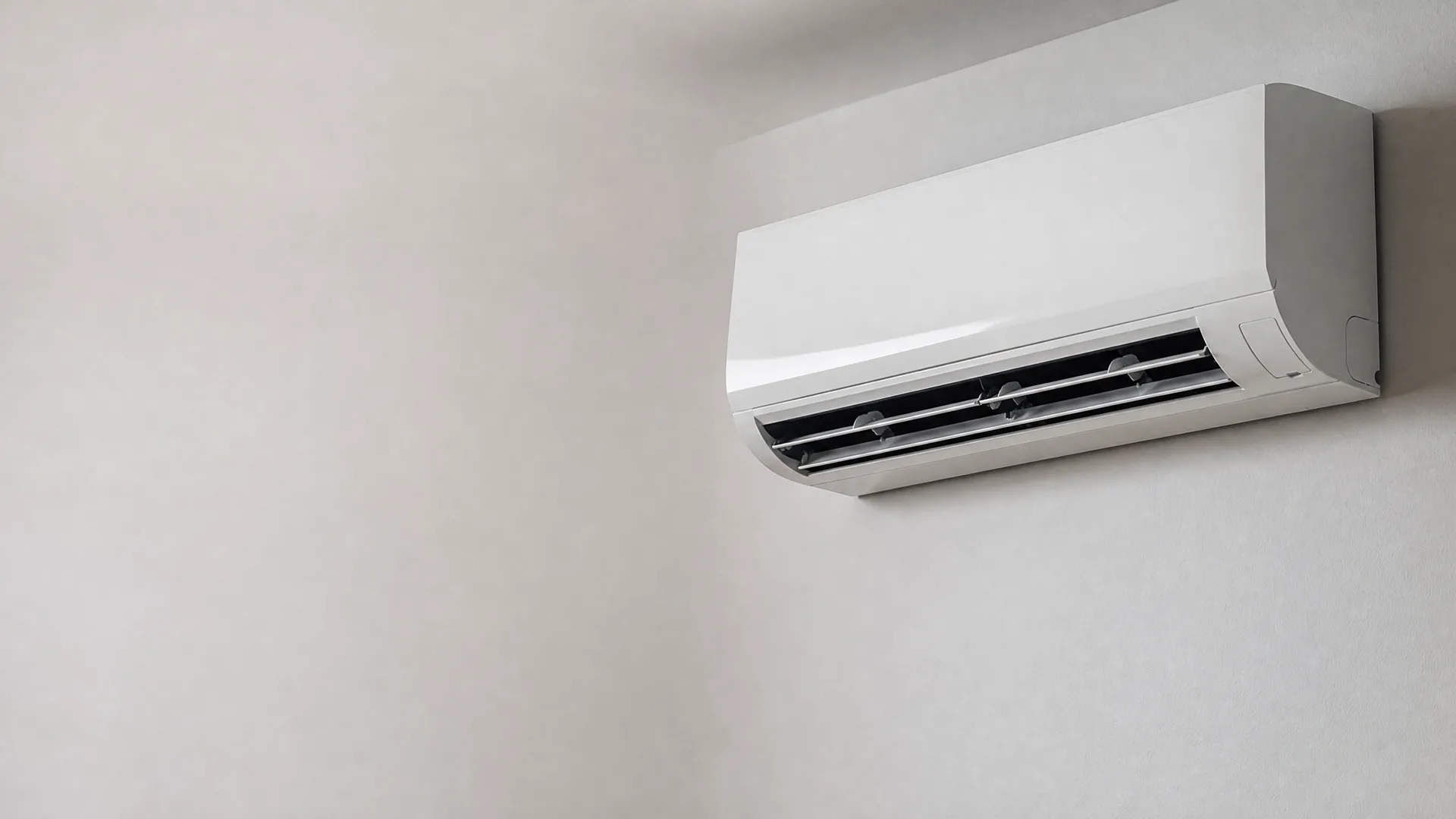
Below freezing, the outdoor coil has to pull heat out of air that doesn't have much to give. The fan runs longer and sometimes faster to move enough air across the coil to keep up. That's why a mini split sounds busier on a 5 degree morning than it does in October. If the fan blades are coated in ice or hitting built-up frost at the edges, the sound changes from a steady hum to something closer to scraping, and that's worth having a contractor look at.
At 18.08 cents per kilowatt-hour, every extra cycle your outdoor unit runs through a defrost shows up on the bill. A mini split that's clicking and buzzing through a normal defrost is fine, but one that's running constantly or straining to keep up costs you more the longer it goes unchecked.
EIA-861 2025 statewide residential average




A single-digit night in Wisconsin will run a mini split's defrost cycle over and over, and that's when a normal click starts to sound like something else, or turns into something else. Telling the difference over the phone isn't easy, and most homeowners end up calling two or three HVAC companies, describing the same rattle each time, then waiting on quotes before they know who even services a mini split in winter instead of just central air. That's a lot of repeating yourself for a noise that might clear up on its own, or might be a reversing valve that's wearing out. Sending the request here puts it in front of one local contractor who works on mini splits all winter in this cold and already knows what a bad defrost cycle sounds like versus a dying motor. No sorting through five bids, no re-explaining the rattle to a new voice each time. Get that outdoor unit checked before the next cold snap turns a noise into a system that won't heat at all.
A mini split that's straining through every cold snap is leaning on backup heat strips or your furnace to pick up the slack, and you're paying for both systems at once.
That's not a noise problem anymore. That's a mini split that needs a licensed tech to look at it before the next deep freeze pushes it further.
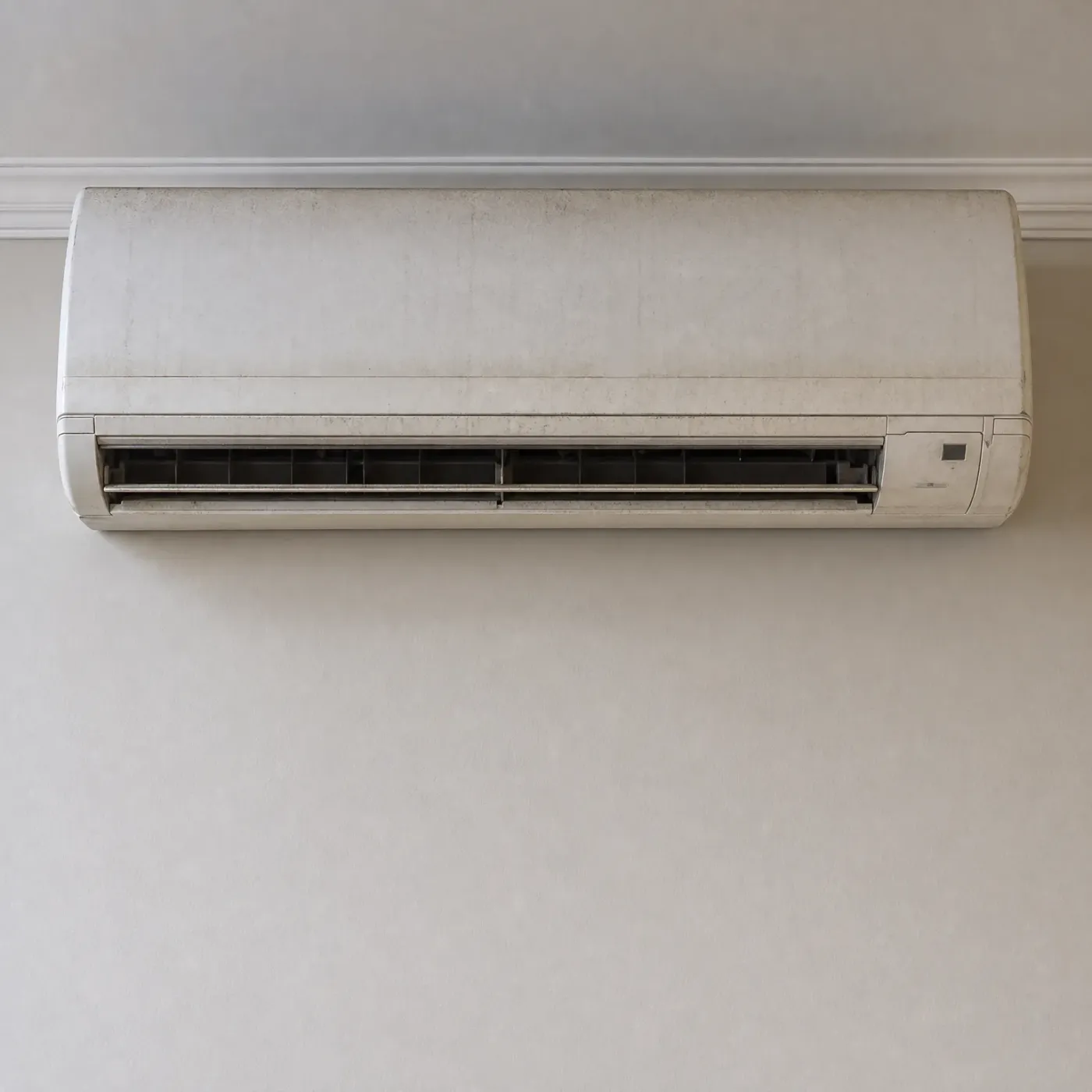
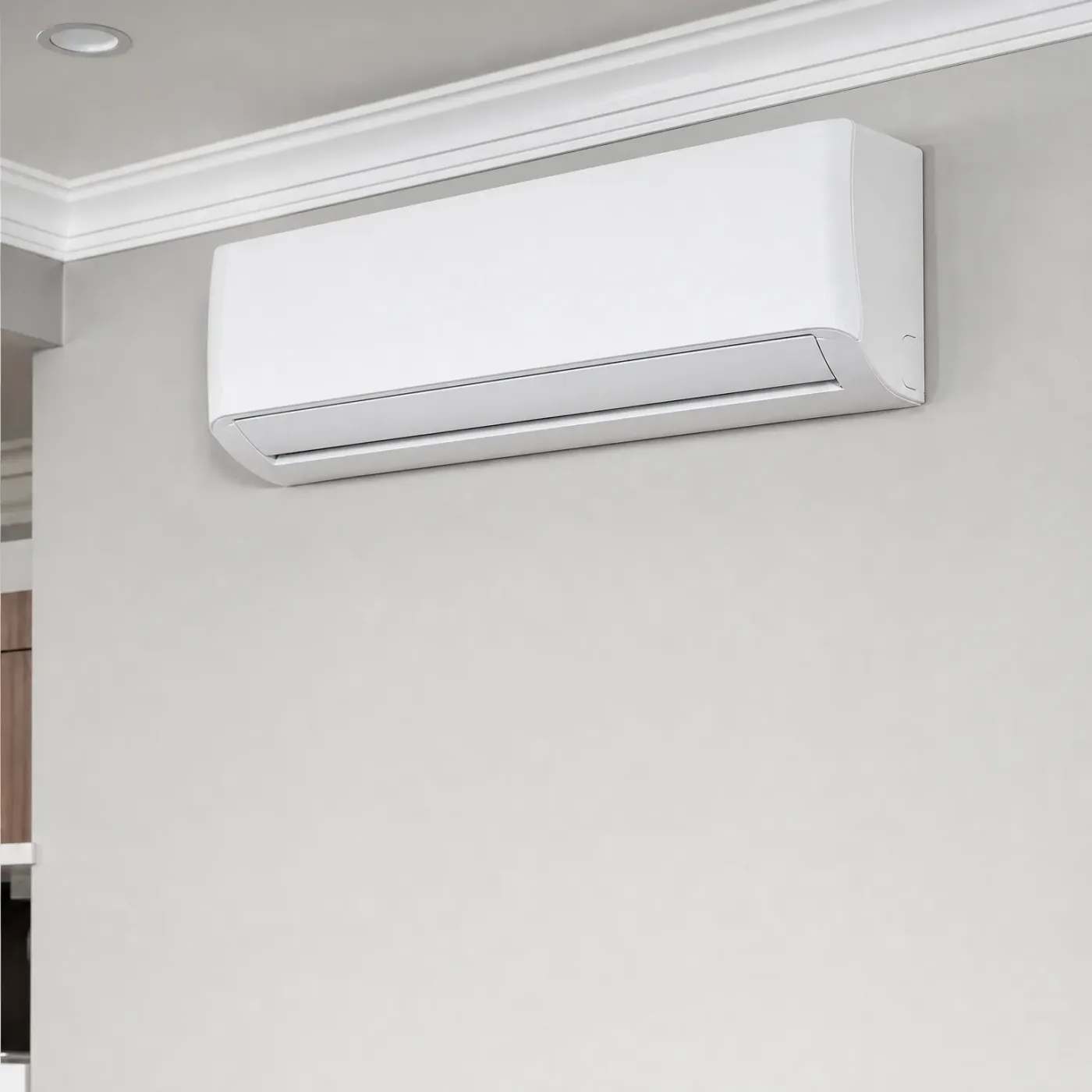
Walk outside and listen. A short click or two as the unit switches over, then it settles back into a steady hum, that's the defrost cycle doing its job. A grinding or scraping sound is different. So is a buzz that doesn't stop, or a rattle that gets louder when the wind picks up. Inside, check the head on the wall. It should stay quiet while the outdoor unit works through a cold snap. If it's clicking too, or you smell something burnt near either unit, that's not defrost. Left alone, a failing part out there doesn't fix itself in January. It tends to fail the rest of the way on the coldest night you need it most.
Outdoor coil temperature drops and frost starts forming on the fins.
The defrost sensor reads the coil and signals the control board.
The reversing valve switches, sending hot gas backward through the coil.
The outdoor fan stops so heat isn't pulled away from the melting frost.

A mini split that clicks and hums through a defrost cycle on a cold night is doing exactly what it's built to do. That sound is the reversing valve switching over, melting frost off the outdoor coil, then going back to heating. Leave it alone and it'll keep doing its job all winter. A grinding, a buzz that doesn't quiet down, or an outdoor unit that never seems to catch up once it's cold out, that's different. That's wear on a part, or a system that's lost refrigerant, or a defrost sensor giving the control board bad information.
You don't have to figure out which one it is by ear. A tech who works on mini splits all winter in this climate has heard both kinds and knows what to check first. That saves you the part most homeowners dread, calling around, explaining the noise over and over to different companies, waiting on quotes to compare. One licensed tech local to Wisconsin, already familiar with how these systems run through a hard freeze, looks at your unit and tells you straight whether it's fine or whether it needs work.


Skip calling around