Why your mini split leaks water in a Wisconsin winter

Tell a local repair pro what your mini split is doing.

Get my match

Water dripping from your indoor unit in winter usually means the condensate drain line is frozen or clogged, not that something is wrong with the mix of heat and moisture. A mini split pulls some moisture out of the air even while heating, and that water has to run down through a small drain line to the outside. When temperatures outside drop well below freezing, as they do for stretches of a Wisconsin winter, any water sitting in that line or in the drain pan can freeze and block it. Water backs up behind the ice and finds its way out through the cabinet instead, dripping onto your floor or windowsill. It can also mean the line itself is pitched wrong, cracked, or packed with algae and dust that caught the water before it ever reached the cold air. Either way, the leak is not minor. Left alone, it can damage your flooring or the wall behind the unit, and the ice blocking the line can back pressure into parts of the system that are not built to handle it.

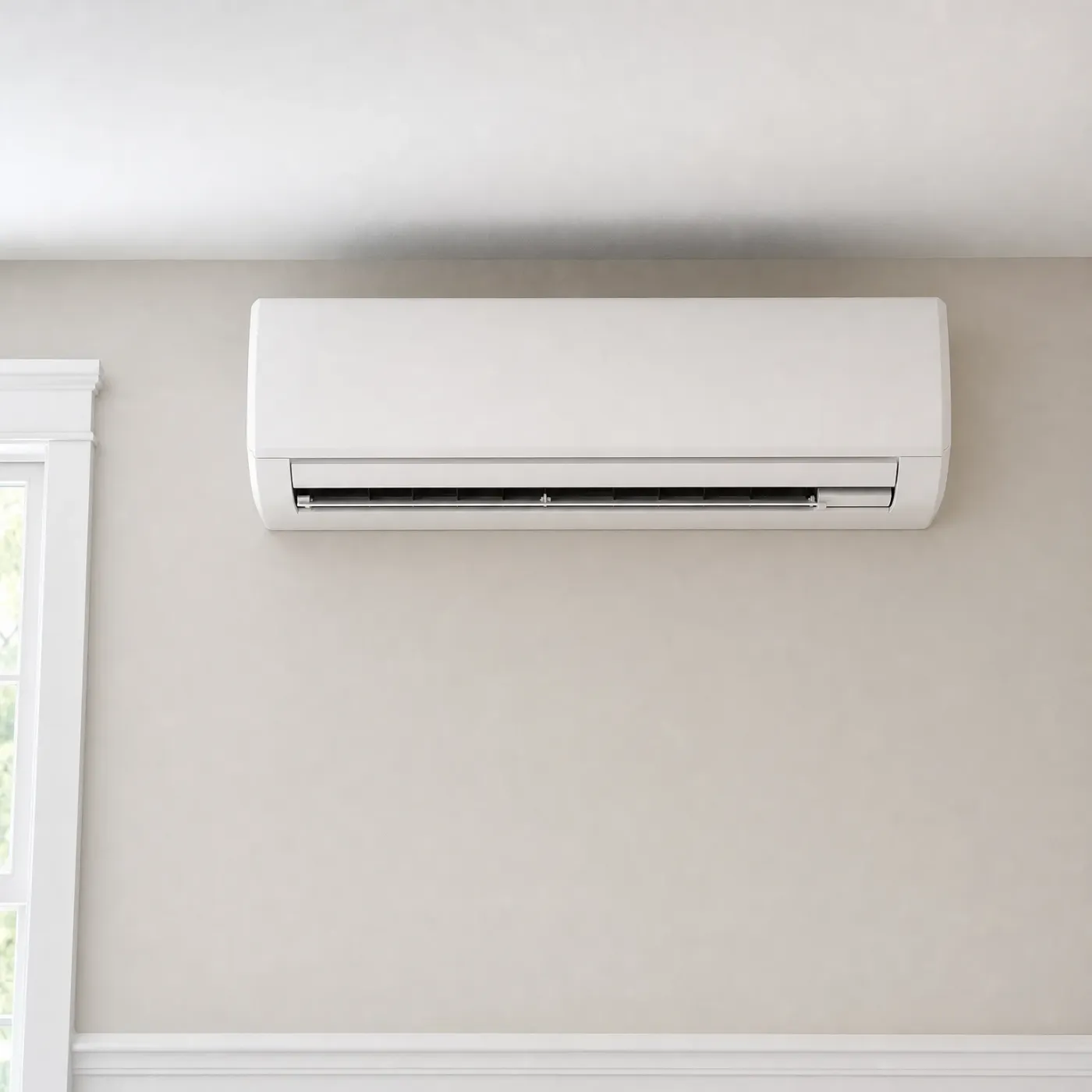
A white wall-mounted mini-split air conditioner installed high on a beige interior wall near the ceiling, with a white-framed window at the left edge.

Draining the way it should

A mini split that's draining right runs quiet and dry in winter. No drip marks under the indoor unit, no ice on the line outside. Condensate leaves the coil and clears the house through the drain line without pooling anywhere along the way.

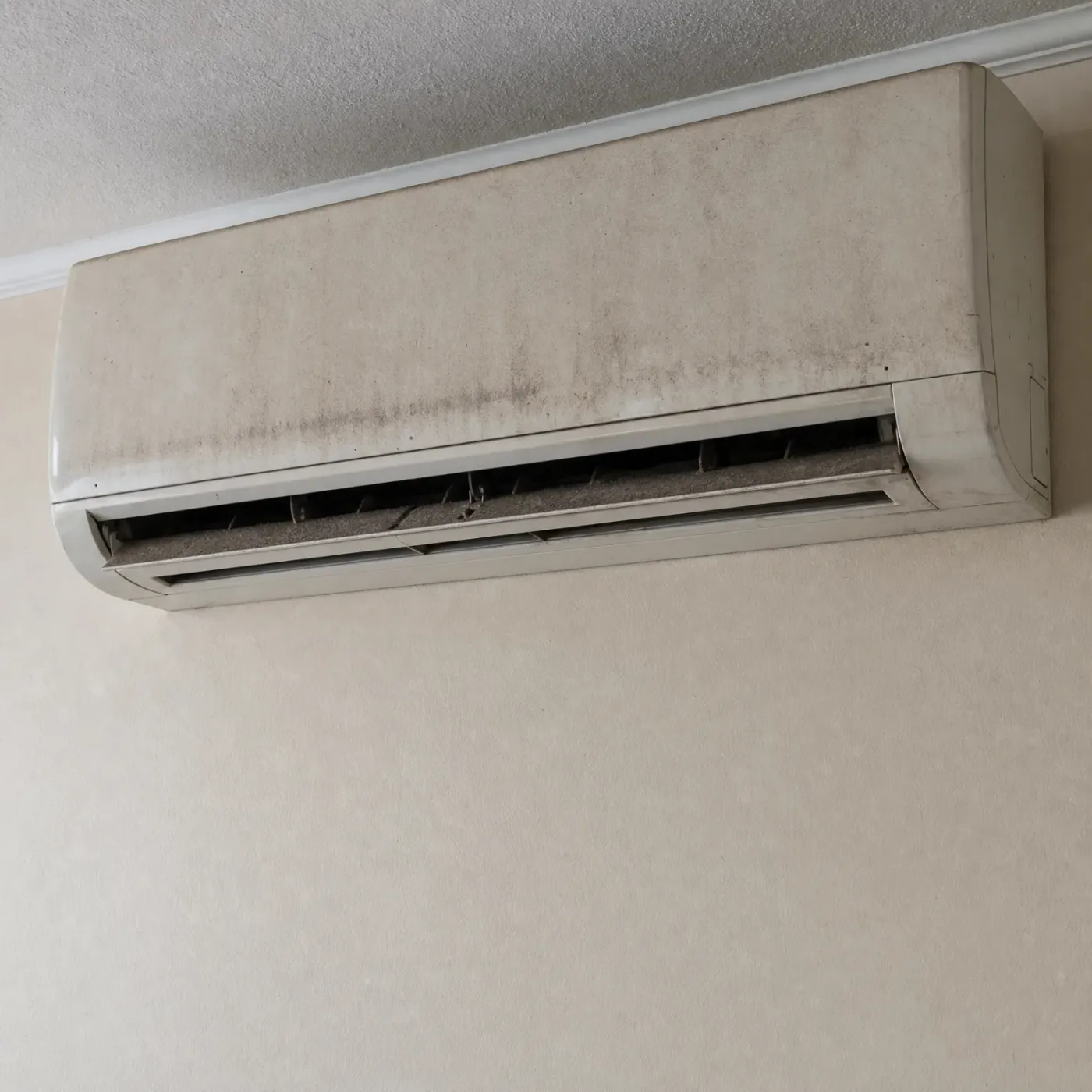
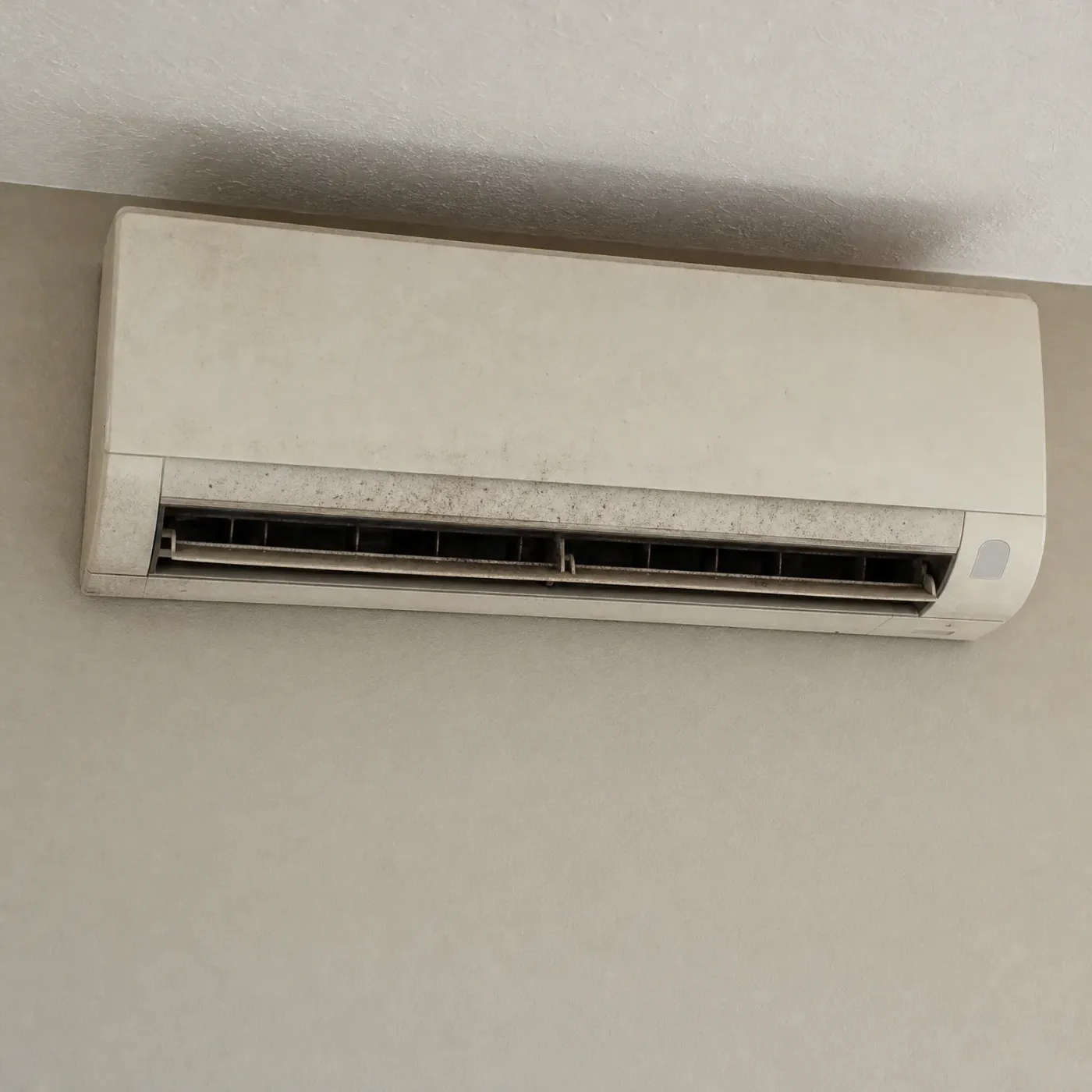
A dusty, stained wall-mounted mini-split air conditioner indoor unit near the ceiling on a plain beige wall, with visible lint buildup at its intake grille.

Backed up and freezing

Grime on the casing and filter like this usually comes with a drain that's slow too. Dirt and mold narrow the line until water backs up, sits in the cold, and freezes solid. Once it's frozen, every bit of condensate after that has nowhere to go but onto your wall.

A woman with long wavy brown hair in a grey ribbed sweater sits on a couch indoors, looking toward a window, with a potted palm-like plant and fireplace behind her.
A woman with long brown hair wearing a green V-neck top and beige cardigan sits on a light sofa, looking off to the side, with a dining table, lamp and framed picture in the background.
A woman with long dark hair in a cream knit sweater sits on a beige sofa indoors, looking toward a bright window with a houseplant and framed picture in the background.
A woman with long dark hair in a green knit sweater sits on a couch indoors, smiling and looking toward a window with a blurred room behind her.

Heating mode still pulls moisture off the indoor coil. That water has nowhere to go but down the condensate line, the small pipe running from the indoor unit out through the wall. It relies on gravity, not a pump, so any blockage or freeze along that path stops it cold. Wisconsin winters are enough to freeze the section of line that runs outside, and once it freezes, water has nowhere to go but back up into the unit. From there it drips out the front rather than reaching the drain. A clog does the same thing without any freezing involved. Dust, algae, even a buildup of debris inside the pipe can narrow it enough that water backs up behind it. There's also the pan sitting under the coil itself. If its drain opening is blocked, the pan fills and overflows, and from where you're standing, that looks exactly like a frozen line outside. Different cause, same drip on your floor.

Why the water backs up

  • Your indoor unit's coil pulls moisture out of the air even in winter, and that water has to go somewhere.
  • That water drains by gravity through a condensate line that runs from the indoor unit out to the exterior.
  • When outdoor temperatures drop low enough, the exposed part of that drain line can freeze solid.
  • Once the line freezes, water backs up inside the unit and drips out instead of draining away.
  • A clogged line causes the same backup even without freezing, usually from dust or algae built up inside the pipe.
  • The condensate pan under the coil can overflow if its own drain opening is blocked, which looks the same as a frozen line from the outside.
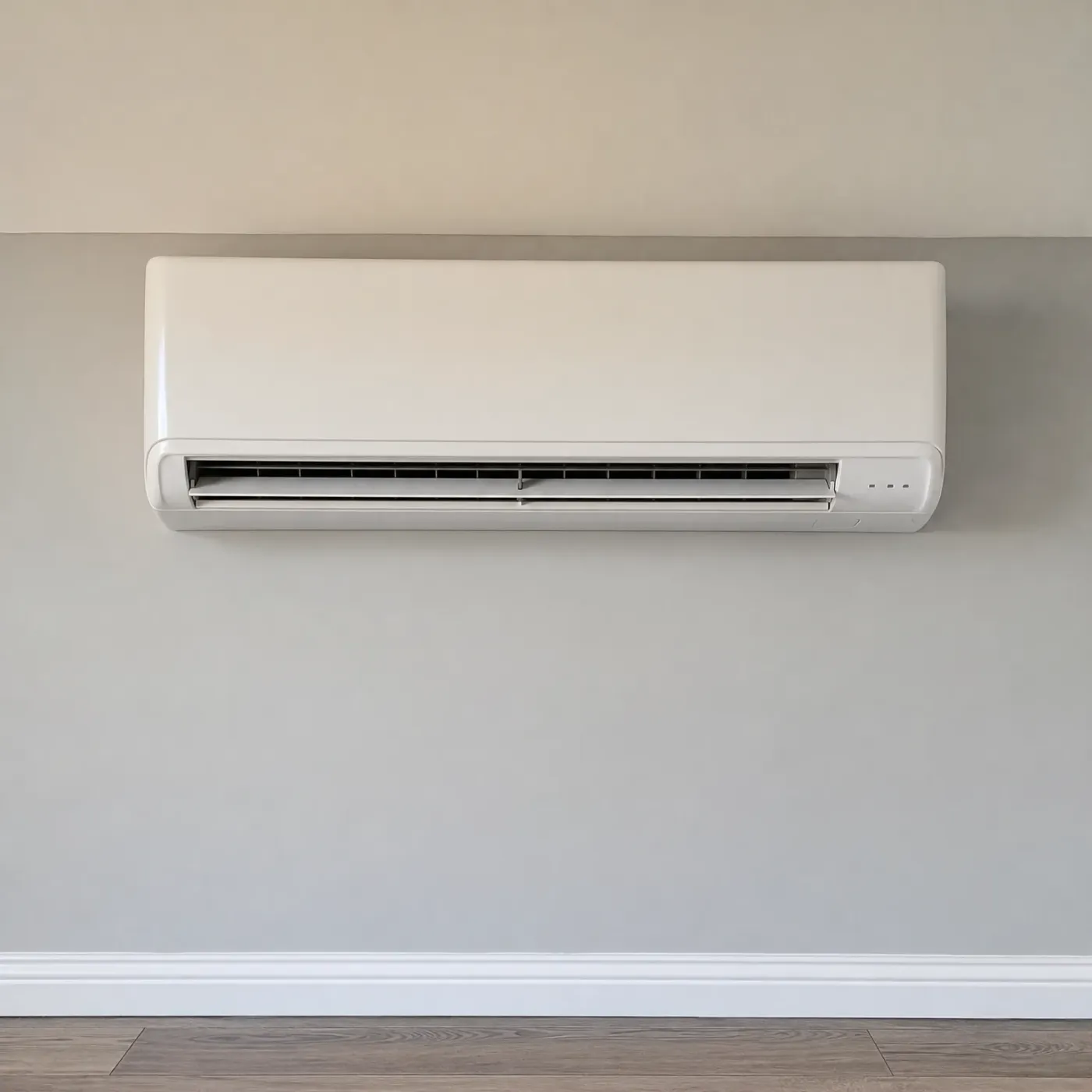
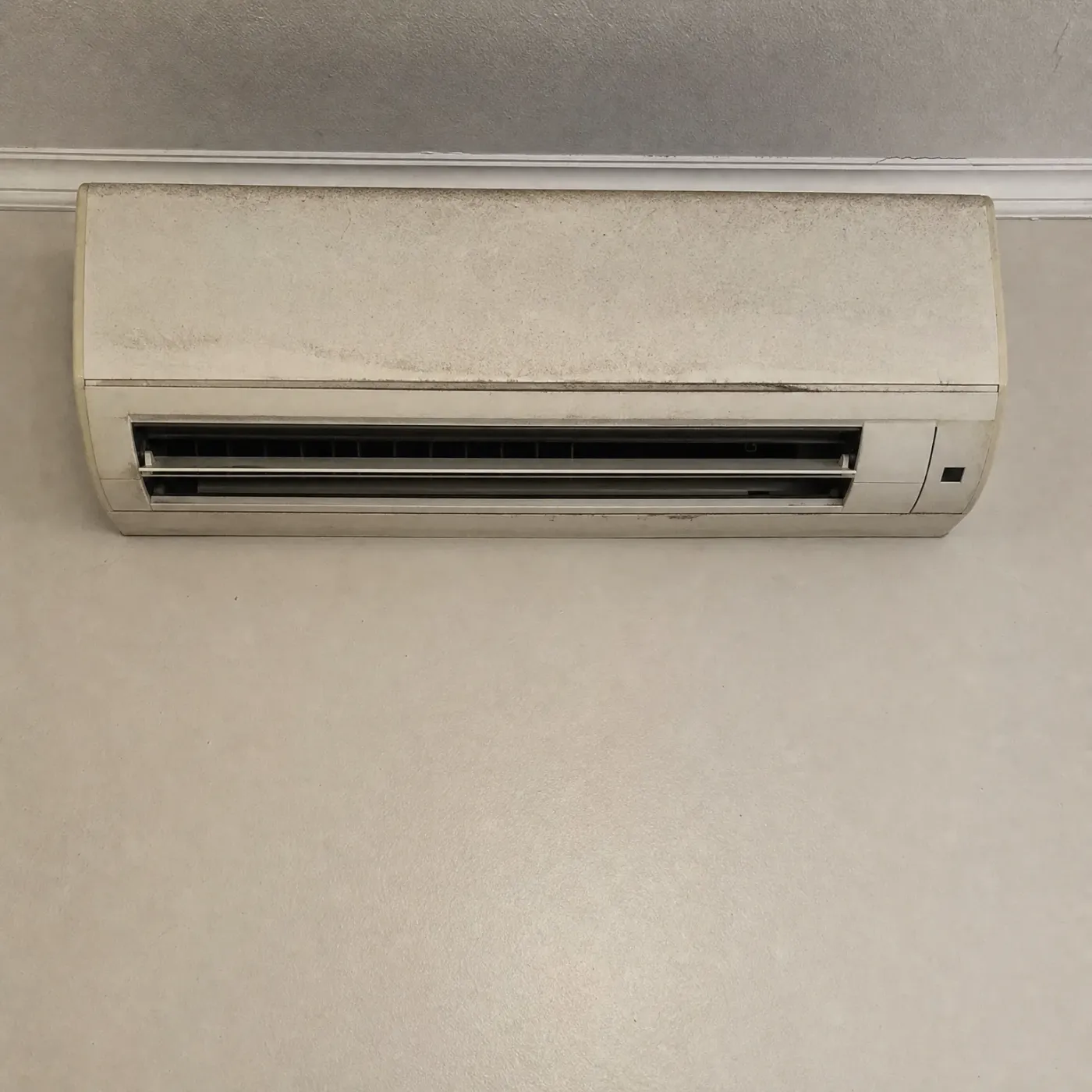
A white wall-mounted mini-split air conditioner indoor unit on a light gray wall above a white baseboard and wood-look floor.
Clean lines, dry wall, no drip marks underneath even as it keeps running through a cold snap.
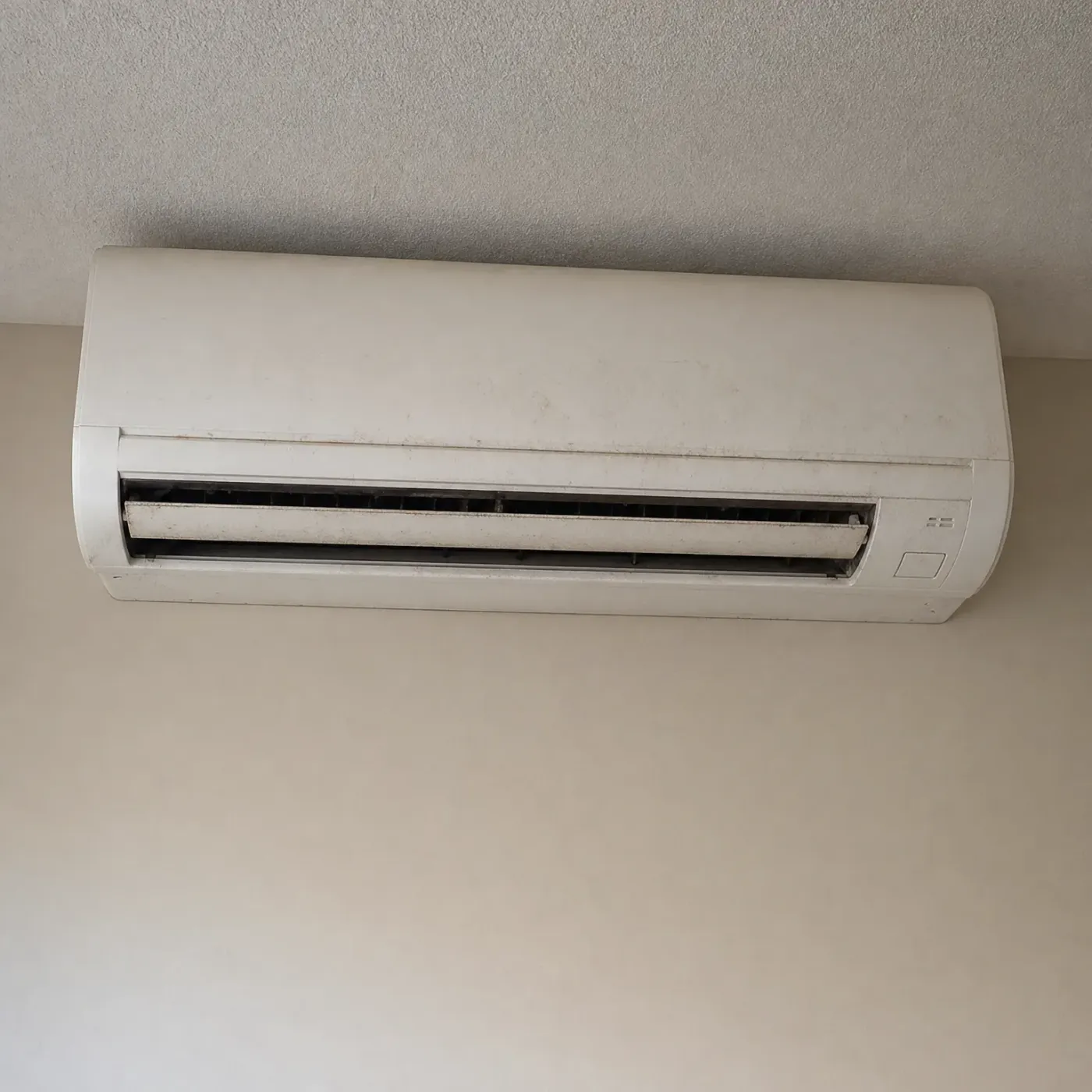
A white wall-mounted mini-split air conditioner indoor unit installed near a textured ceiling on a plain beige wall, with visible dust and discoloration on its casing and vent.
Dust and grime on the housing like this often sit alongside a clogged drain line, and that's what sends water down your wall instead of outside.
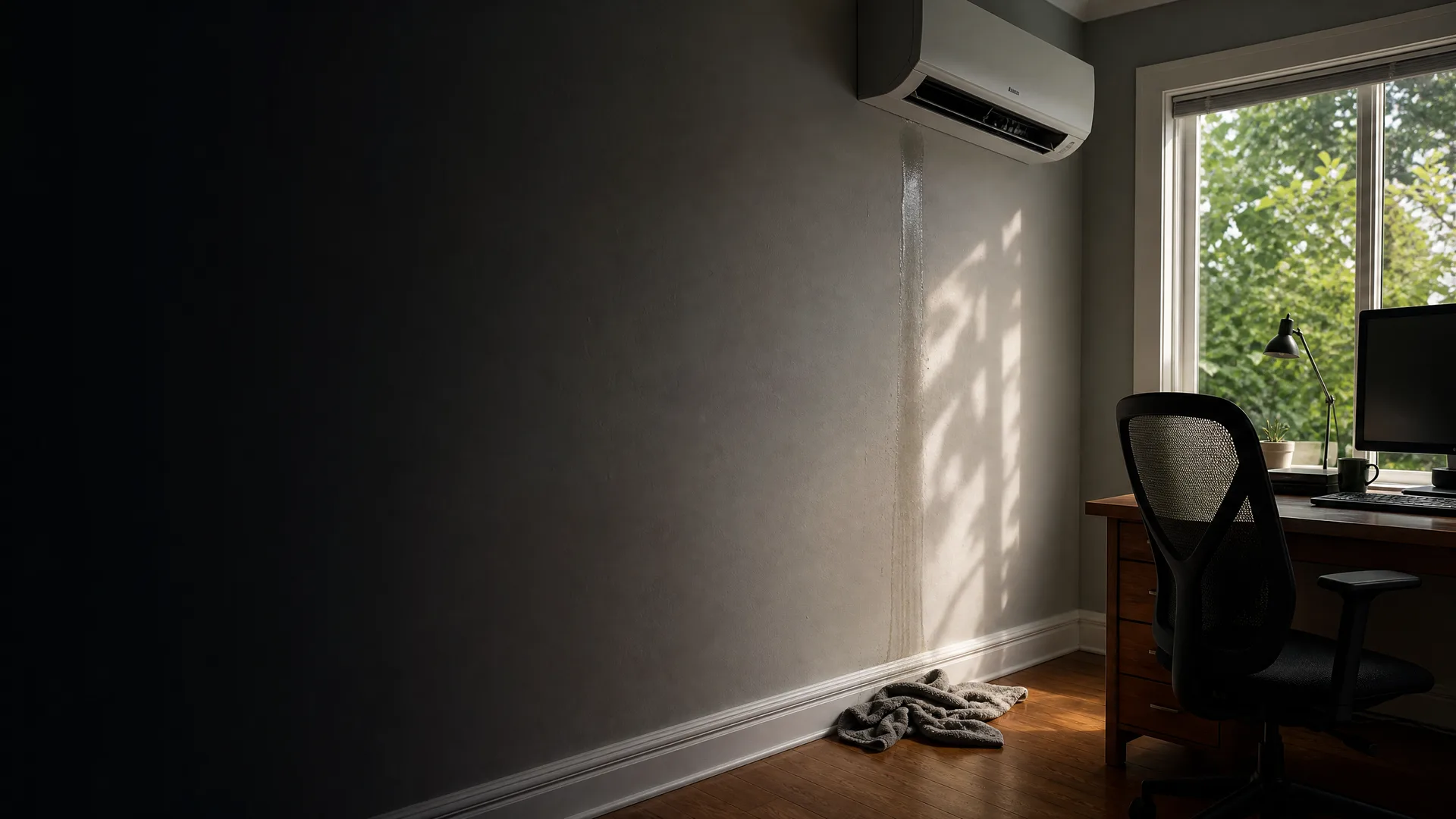
A wall-mounted mini-split air conditioner in a dim room, with a water streak running down the wall below it to a towel on the floor near the baseboard, beside a desk, office chair and monitor by a window.

You're at the desk in the office that afternoon, working with the window cracked because the sun's been on that side of the house all day. You notice the carpet feels damp under your feet before you see anything. Then you look up at the wall under the mini split and there's a streak running down from the unit, dark against the paint. You grab a towel from the hall bathroom and lay it along the baseboard, then stand there looking at the indoor unit like it's going to explain itself. It's running fine, no odd sound, just that steady wet line forming again a few minutes after you wipe it down. You already know this isn't something you want to keep mopping up on your own.


A local pro for your mini split repair

A frozen or clogged condensate line doesn't clear itself, and running the unit through another cold snap in Dubuque or Eau Claire just adds more water behind the blockage. Left alone, that water finds the drywall under the indoor unit, and in a house that heats with gas and keeps the electric bill down by not running the mini split harder than it has to, a leak like this usually means the line needs to be cleared or thawed by someone who can get to the unit and the line outside without guessing. Finding that person yourself means searching, calling a few numbers, describing the same drip marks and ice on the line each time, then sitting on quotes to compare. Tell us what your mini split is doing and a contractor who handles this in Wisconsin winters will reach out to you directly, so the only thing left for you to deal with is the leak itself.

Why the line freezes here

The condensate line runs from the indoor coil to somewhere outside the house, and that last stretch outdoors is the part that gets you. Wisconsin winters put that line through long runs of single-digit or below-zero air, and any water sitting in a low spot or a sag in the hose turns to ice. Once a plug of ice forms, everything draining behind it has nowhere to go but back up and out of the indoor unit. A line that drained fine in October can freeze solid in January without anything else about the system changing. The cold is doing the work, not a failing part.

What a blocked line does to the unit

A mini split doesn't shut itself off when the drain backs up. It keeps pulling moisture off the coil and keeps running the dehumidifying cycle it runs all winter, so the water keeps coming even as the exit stays blocked. That's why the dripping often gets worse the longer a cold snap lasts instead of better. Some lines freeze only partway, which slows the drip to an occasional drop instead of a steady leak, and that can make the problem look minor when it isn't. Either way, the water has already found a path into the house before anyone notices it.

A wall-mounted mini-split air conditioner indoor unit with discolored casing and dusty vents, installed near the ceiling on a plain light-colored wall.
Before you get your mini split repair
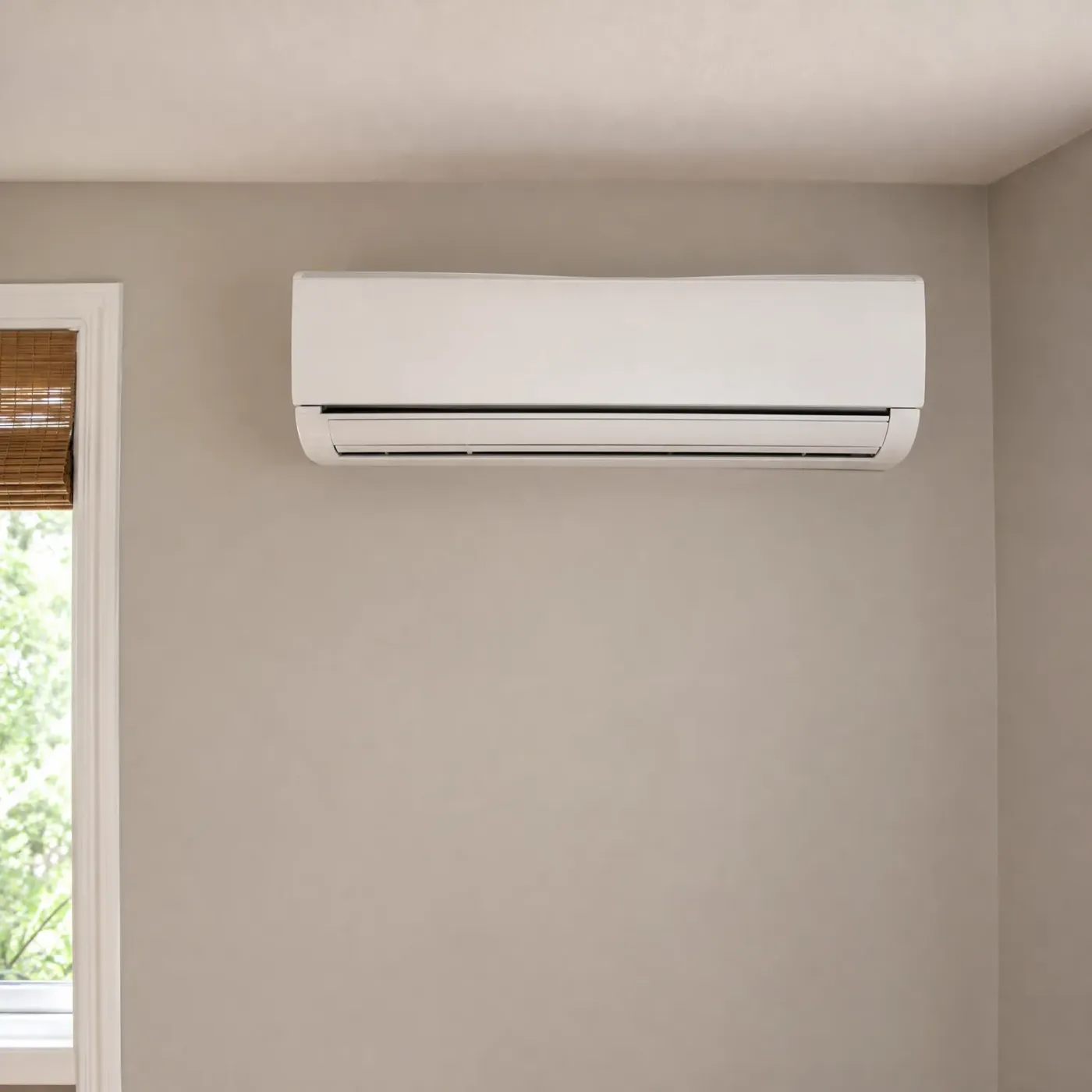
A white wall-mounted mini-split air conditioner installed near the ceiling on a beige interior wall, with a window and bamboo blind at the left edge showing green foliage outside.
After you get your mini split repair
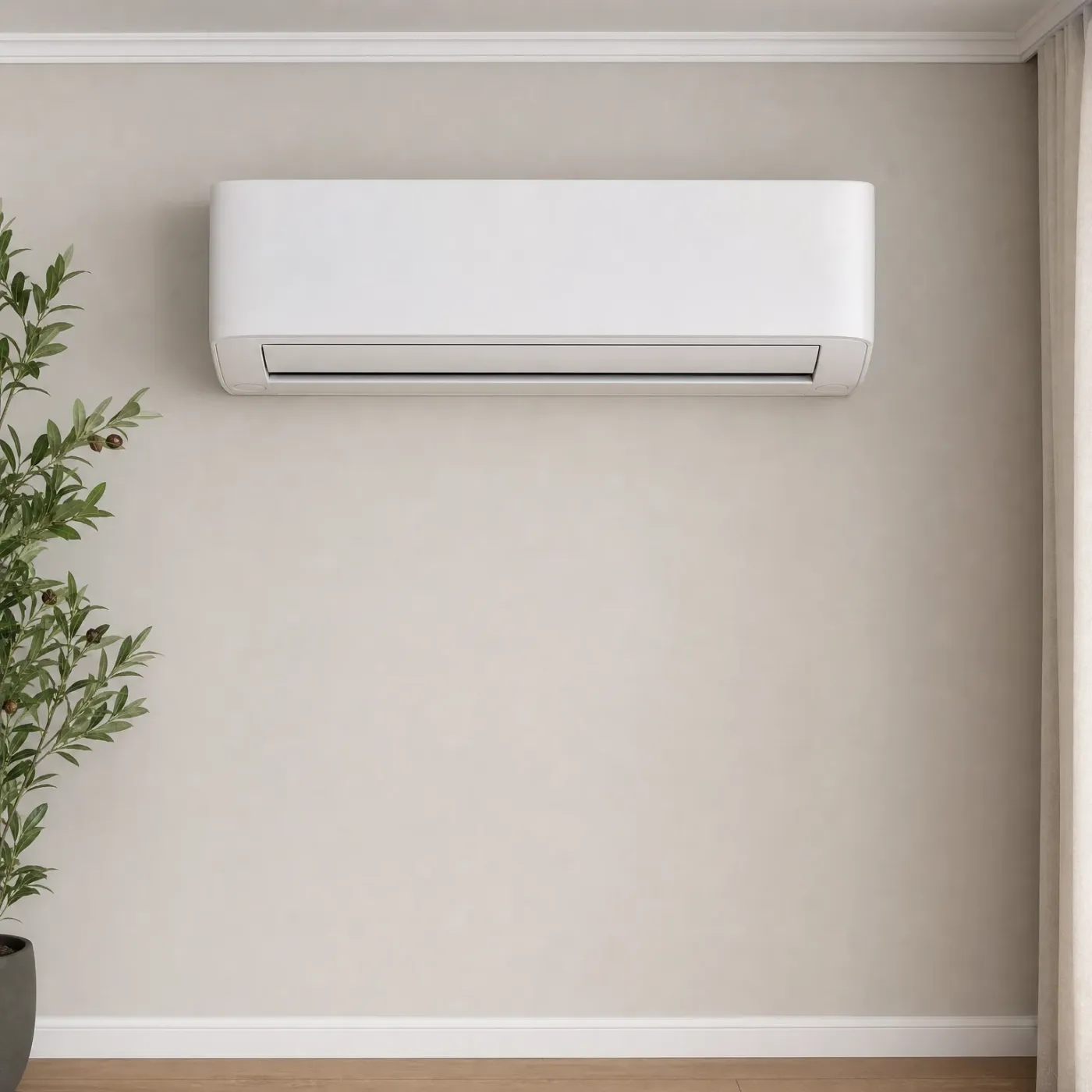
A white wall-mounted mini-split indoor unit on a beige interior wall, with a potted leafy plant at the left and a curtain edge at the right.

Running clean

The wall stays dry under the indoor unit, no streaks, no stain spreading across the beige paint. The plant and the curtain nearby don't matter to the unit at all. It just moves air and drains outside the way it's built to.

A dusty, discolored wall-mounted mini-split air conditioner indoor unit near the top of a plain light-colored interior wall below a white molding strip.

Caked with grime

Dust and grime build up across the casing and the vents like this when a unit's gone a long time without service. That buildup around the coil and drain path is often what backs the water up until it has nowhere to go but your wall.

Power costs 18.08 cents per kilowatt-hour statewide

At 18.08 cents a kilowatt-hour, a mini split that's frozen or backed up and running inefficiently costs you more every month it goes unfixed. That's on top of the drywall and flooring damage the leak itself can do. Getting the drain clear keeps both bills down.

EIA-861 2025 statewide residential average

A smiling man in a denim shirt and white t-shirt stands in an open dark doorway of a stucco house, facing a woman with long brown hair and a green jacket seen from behind in the foreground.

A frozen or clogged drain line is the answer, and it has a fix

Water under your indoor unit in a Wisconsin winter almost always traces back to the same place: the condensate line has frozen or clogged somewhere between the coil and the outside wall. That's true whether you're in Eau Claire or Dubuque, and it's true whether the drip started last week or you've been wiping up the sill for a month. A contractor who checks that line, clears what's blocking it, and makes sure it's pitched and insulated the way it should be puts the problem to rest.

You don't have to figure out on your own whether it's ice, a clog, or something else in the line, and you don't have to call around to find someone who works on mini splits in your area. Once you request help, you get matched with a contractor who handles this specific problem, and they'll reach out to you directly. No describing the drip marks to three different companies, no sorting through quotes to guess who actually knows these systems. You already know what's wrong and where it is. The next step is just getting the right person out to fix it.

A gray upholstered sofa with a matching cushion sits beside a potted plant and a wooden table holding a small green plant in a stone pot, near a curtained window.
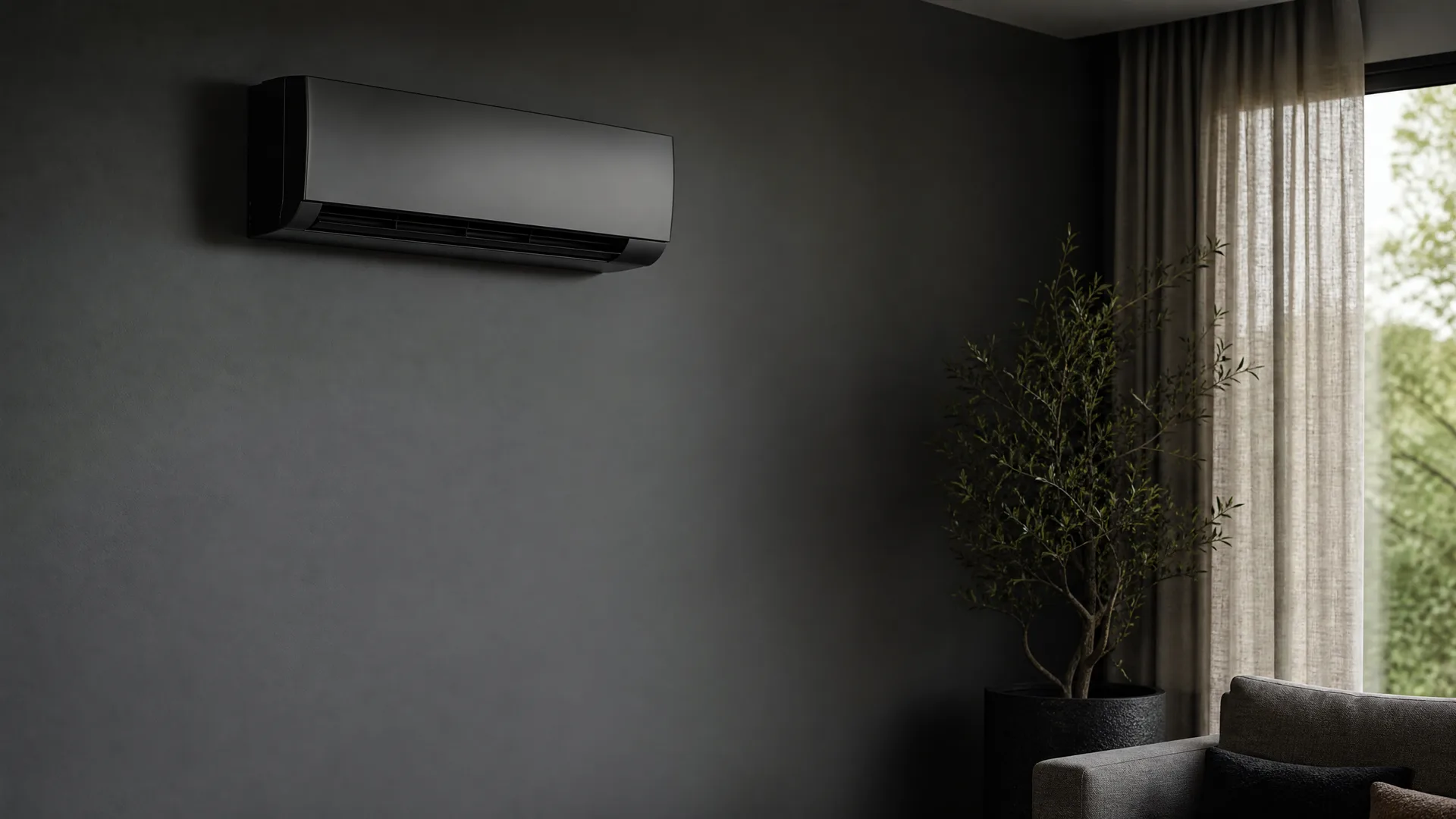
A dark wall-mounted mini-split air conditioner on a gray interior wall, with a potted olive-like tree, sheer curtains over a window showing green foliage, and a gray sofa in the lower right corner.

Get the right pro for your mini split

Fill out one short form instead of calling around.

Step 1 of 3: Equipment