
What defrost mode means on a Wisconsin mini split

Tell a local repair pro what your mini split is doing.

Get a mini split pro

Why does my mini split say defrost mode in winter?

It's the middle of a Wisconsin winter, the outdoor unit on your mini split has gone quiet, and the display is showing defrost mode. No warm air is coming out of the indoor head. You're not sure if this is the unit working as it should or if something has failed, and with how cold it gets here, you don't want to leave it alone if it's actually a problem.

Defrost mode means the unit is melting ice off its outdoor coil

Cold air holds less moisture than warm air, but it still holds some, and that moisture freezes onto the outdoor coil as the unit pulls heat from it. Below freezing, which is most of a Wisconsin winter, this happens often enough that the system is built to stop every so often, reverse itself briefly, and melt that ice off before it builds up enough to block airflow. During this, the outdoor fan stops, the indoor head may blow cool or no air for several minutes, and that's normal. It becomes a problem only if defrost mode runs long, repeats constantly, or the unit never goes back to heating once it's done.

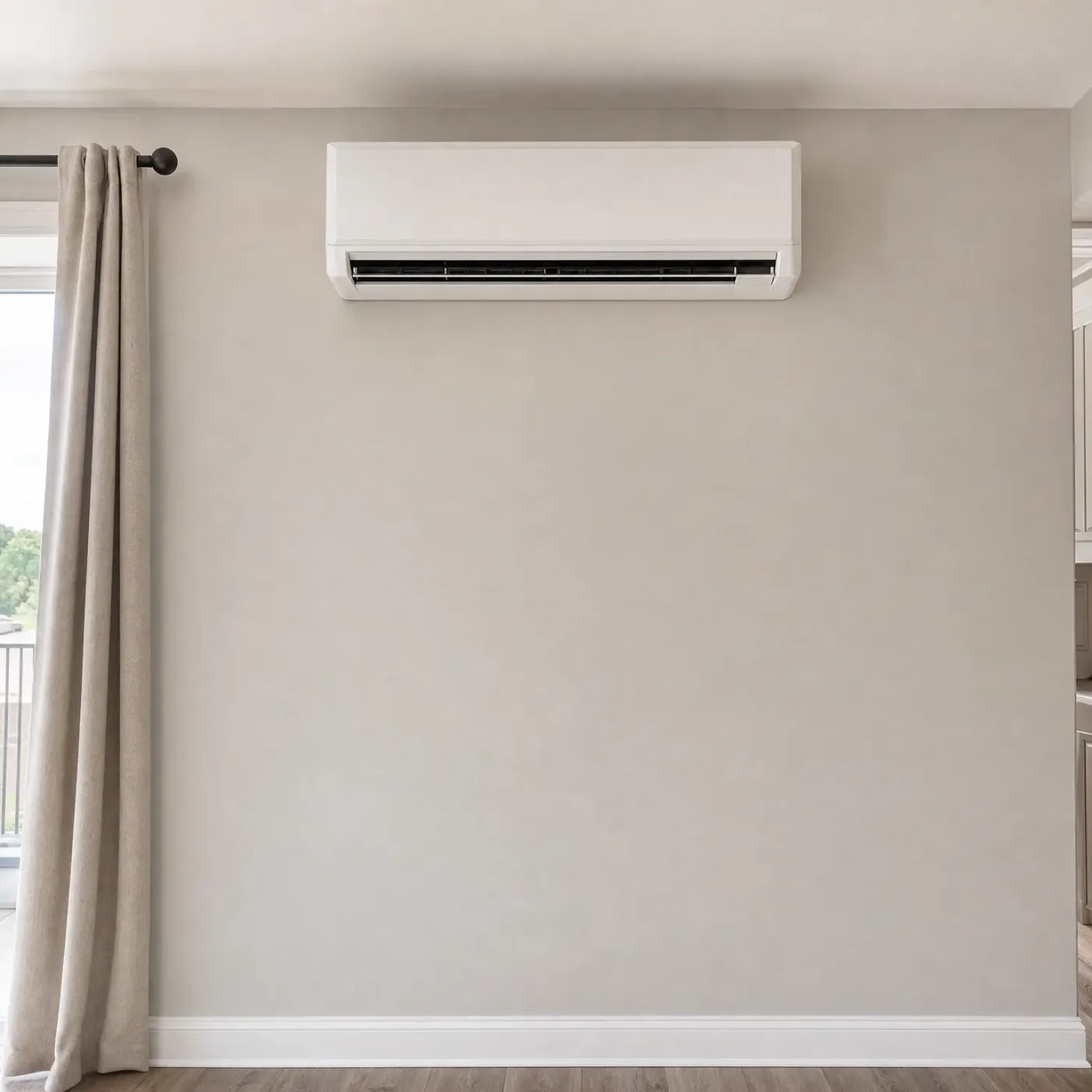
A white wall-mounted mini-split air conditioner unit high on a light gray interior wall, with a beige curtain and window at the left and wood-look flooring below.

Defrosting the way it should

Every so often in a Wisconsin winter, the outdoor unit pauses, the fan stops, and the indoor head blows cool air for a few minutes. Then it switches back and warm air returns. That cycle, start to finish, is the system clearing frost off the outdoor coil on its own.
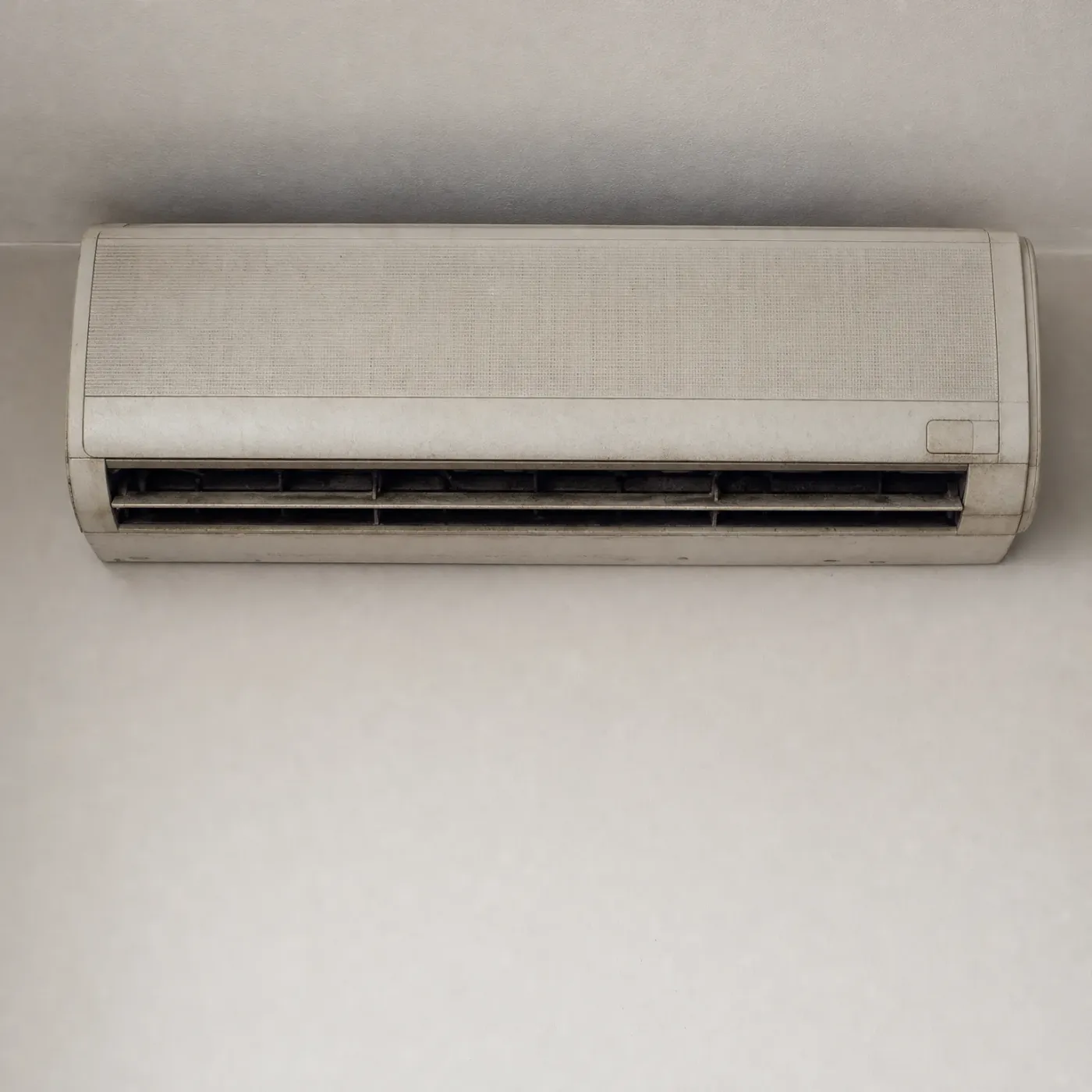

A dusty white wall-mounted mini-split air conditioner indoor unit with open louvers, installed near the ceiling on a plain light-colored wall.

Defrosting too often, or not clearing

If the outdoor unit looks like this, caked with grime around the coil and vents, it's working harder to shed ice than it should. A unit that can't dump heat efficiently runs defrost more often, draws more power doing it, and may stop blowing warm air at all.

A woman in a cream cowl-neck sweater sits by a window with snow outside, in a dimly lit living room with a sofa, lit lamp, mirror, candles and a fireplace.
A woman in a gray turtleneck sweater sits beside a large window looking out at snow-covered evergreen trees, in a dimly lit living room with a lit fireplace, lamps, couch and houseplant.
A woman in a cream turtleneck sweater stands beside a large window with snow-covered ground and bare trees outside, in a dimly lit living room with lamps, a sofa and framed art.
A woman in a grey cowl-neck sweater stands indoors near a window, looking out at falling snow, with a lamp, framed picture and couch in the warmly lit room behind her.

Iced over longer than 10 minutes

A normal defrost cycle runs a short while, then stops on its own. If the outdoor unit is still frozen past that, something is keeping it from switching back to heat.

Connect with a pro

No heat at the indoor head after defrost ends

Once defrost finishes, warm air should return within a few minutes. If it doesn't, the reversing valve or a sensor may be stuck, not the cold outside.

Connect with a pro

Is your mini split stuck in defrost more than it should be

You notice it because the house gets cold fast. The indoor head is blowing room-temperature or cool air for longer stretches, the outdoor unit has a thicker coat of ice than you remember from past winters, or the system seems to cycle into defrost every time you check on it. Maybe you hear it click into defrost and the fan stop, then nothing changes for twenty or thirty minutes. With Wisconsin power rates what they are, a mini split that can't get out of defrost and back to heating is running up your bill while your gas backup or space heaters pick up the slack. Left alone, it's more strain on a unit that's already struggling.

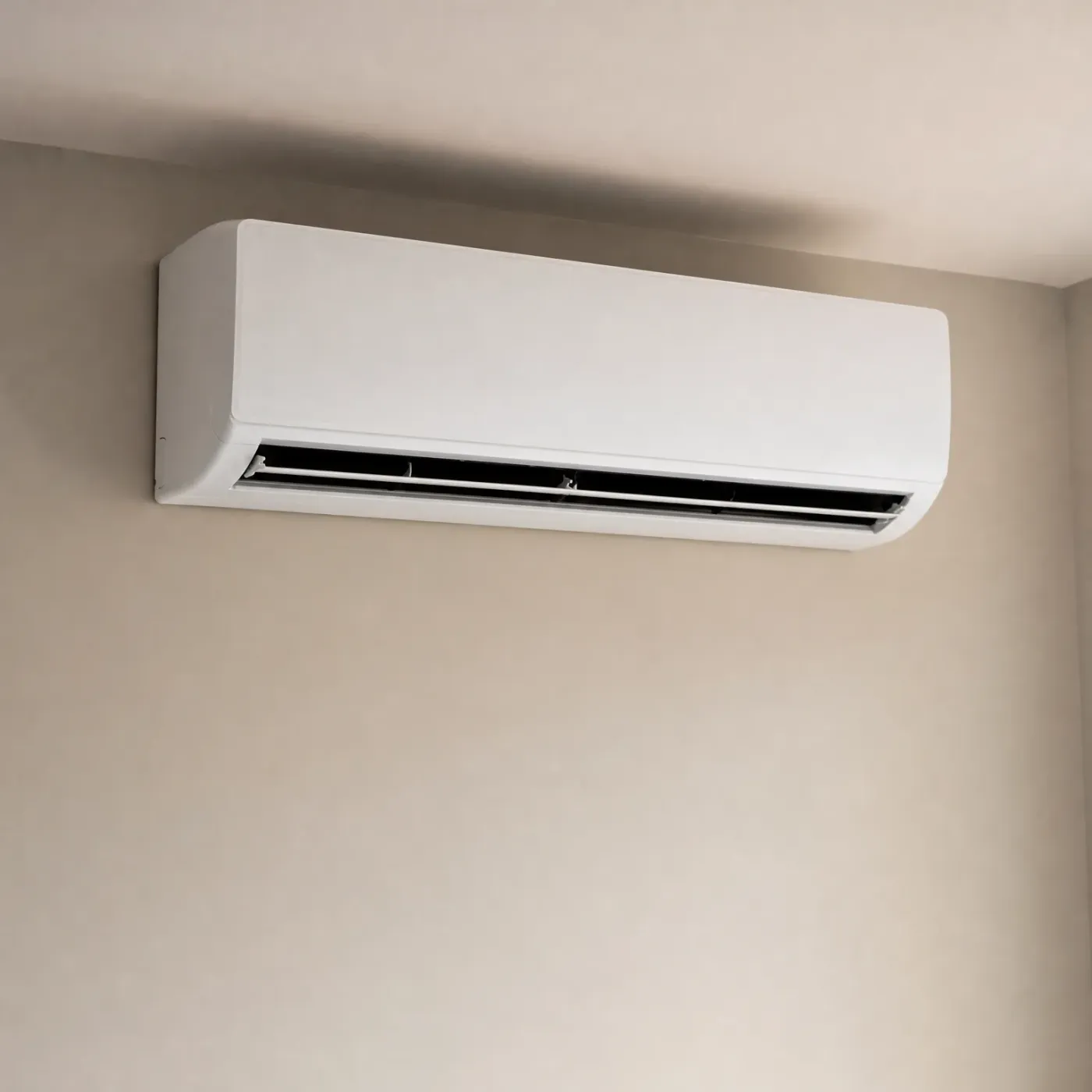
A white wall-mounted mini-split air conditioner indoor unit installed high on a plain beige wall near the ceiling.

Let it run its course

A normal defrost cycle ends on its own in a few minutes. The outdoor unit goes quiet, the ice melts off the coil, and warm air comes back to the indoor head. If this happens once or twice during a cold snap and the house recovers fast, the system is doing what it's built to do. You don't need to touch the thermostat or shut anything off. Watching it finish is the whole job.

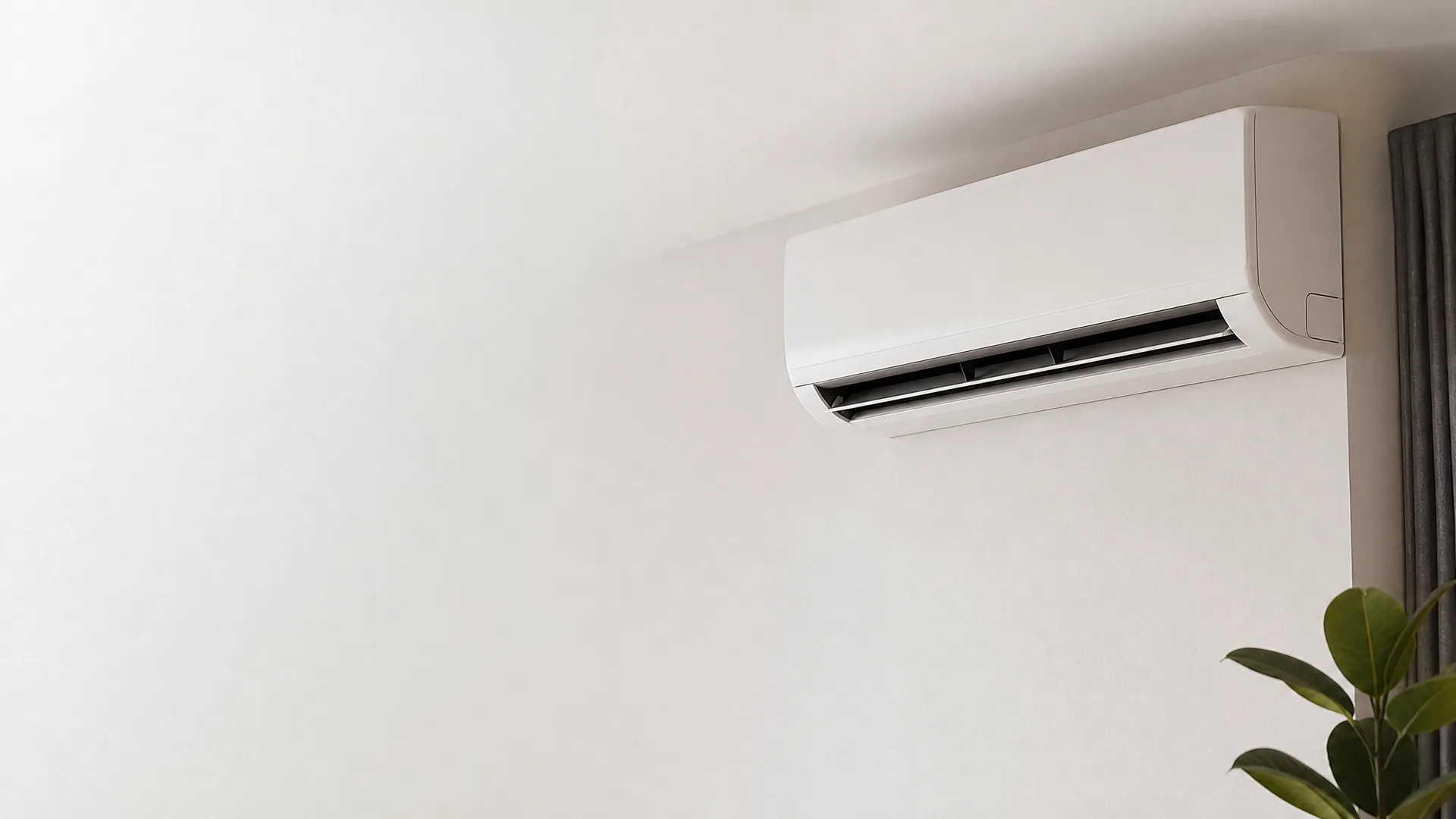
A white wall-mounted mini-split air conditioner unit near the ceiling of a plain white wall, with a gray curtain at the right edge and green plant leaves in the lower right corner.

When it won't switch back

If the outdoor unit stays frozen well past 10 minutes, or the indoor head keeps blowing cool air after the cycle should have ended, the system isn't recovering on its own. Left alone, it keeps trying and the house keeps losing heat, which matters more on a cold Wisconsin night than it would in October. A reversing valve or sensor that's failing won't fix itself by running longer. That's a repair, not something to wait out.

Normal Cycle or Time to Call

Watch and wait

  • A defrost cycle that starts, runs a few minutes, and ends on its own is the system doing what it's built to do in a Wisconsin winter.
  • If warm air comes back at the indoor head once the cycle ends, the system reset itself the way it should.
  • One or two cycles during a hard cold snap, with the house warming back up each time, isn't a sign anything is wrong.
  • Checking the outdoor unit after a cycle ends and seeing the ice gone is a good sign, not a reason to call anyone.
  • You lose a few minutes of heat at a time, and the gas furnace or backup heat in the house can cover the gap if you have one.

Call for repair

  • Ice still on the outdoor unit after 10 minutes means the cycle didn't finish, and it won't fix itself by waiting longer.
  • Cool air at the indoor head after defrost should have ended means the system isn't switching back to heat mode on its own.
  • A contractor can check the reversing valve, the defrost sensor, and the refrigerant charge, any of which can keep a unit stuck.
  • Skipping a call means calling around yourself, explaining the same problem to more than one company, and comparing quotes before anyone shows up.
  • Getting matched with a contractor who services your specific system means that step is done, and the contractor reaches out to you directly.
  • A mini split stuck in defrost through a stretch of single-digit nights leaves the house without heat longer than a furnace backup is meant to cover.
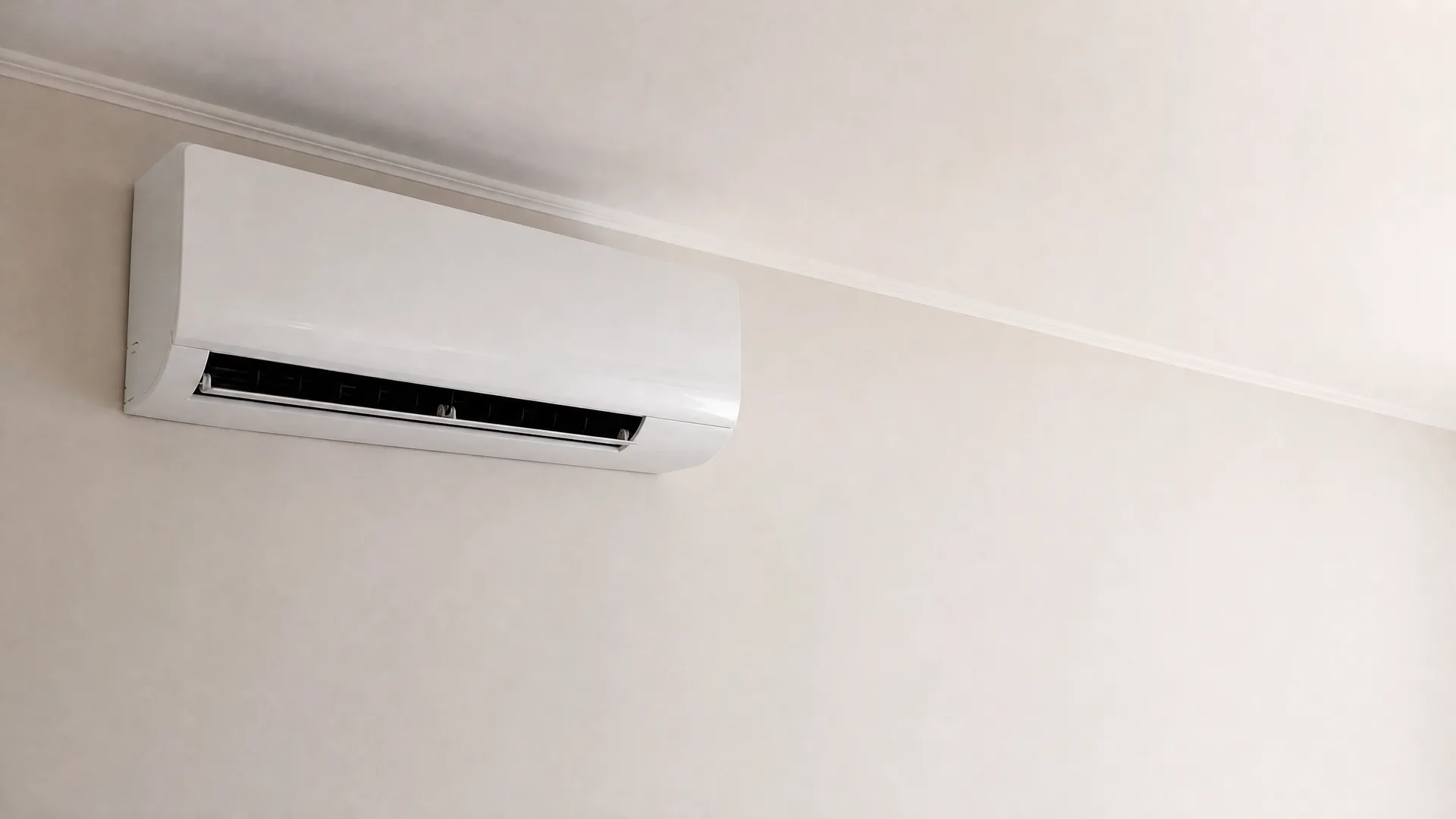
A white wall-mounted mini-split air conditioner installed near the ceiling on a plain beige interior wall.

Running clean through winter

This is the unit between defrost cycles, panel closed, outdoor fan turning. It takes in cold outdoor air, melts off whatever frost built up, and gets back to heating in a few minutes. Nothing about the case or the grille gives you any reason to open it up and look closer.

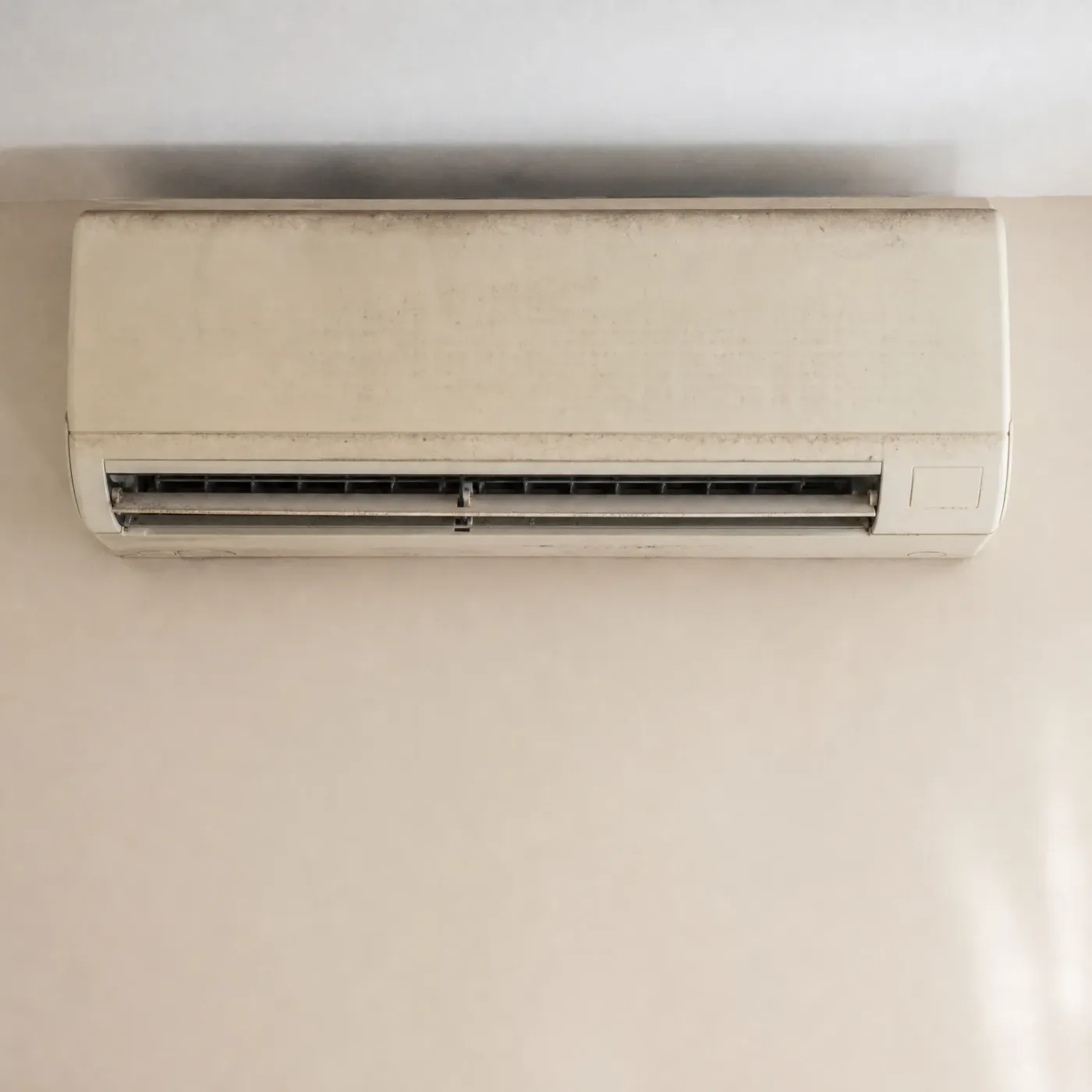
A dusty, discolored wall-mounted mini-split air conditioner unit near the ceiling of a plain beige interior wall.

Worn down from years of cycling

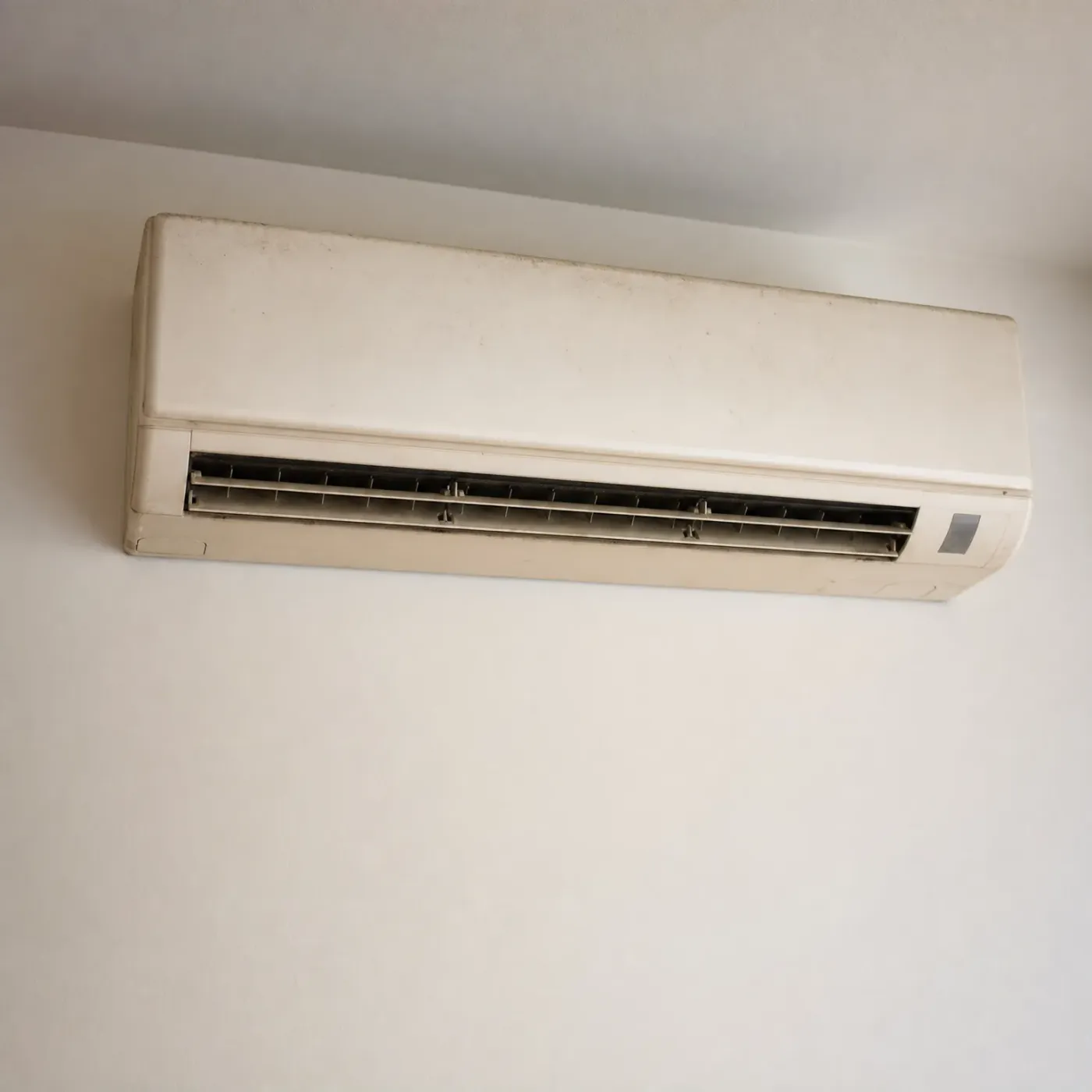
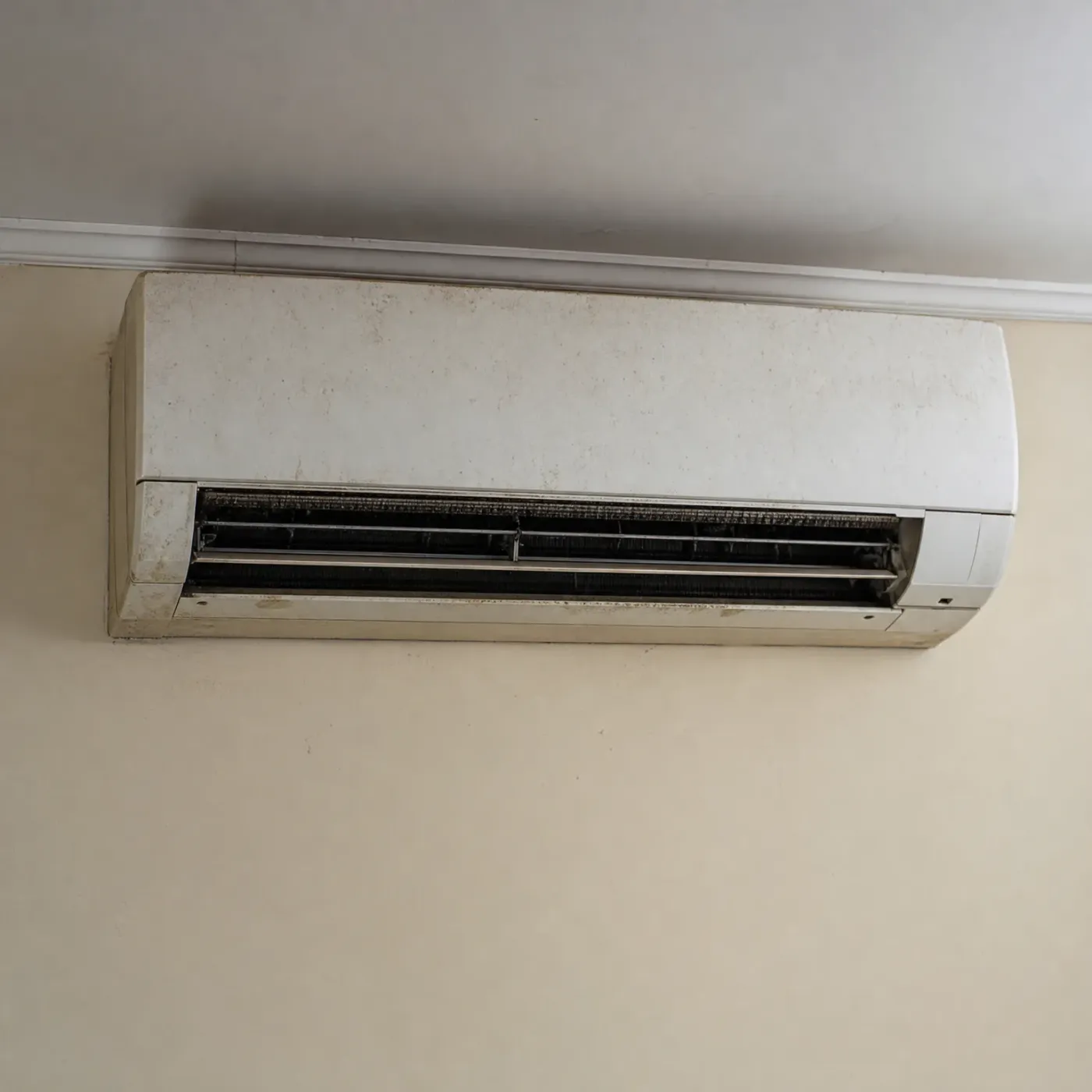
This casing is discolored and caked with dust, the kind of wear that comes from years of frost and meltwater running down the outdoor unit each winter. A unit in this shape is more likely to ice up heavier and stay in defrost longer than it used to.

A wall-mounted mini-split air conditioner indoor unit with a discolored cream plastic casing and dusty outlet vanes, installed high on a plain light-colored interior wall near the ceiling.
Before you get your mini split repair
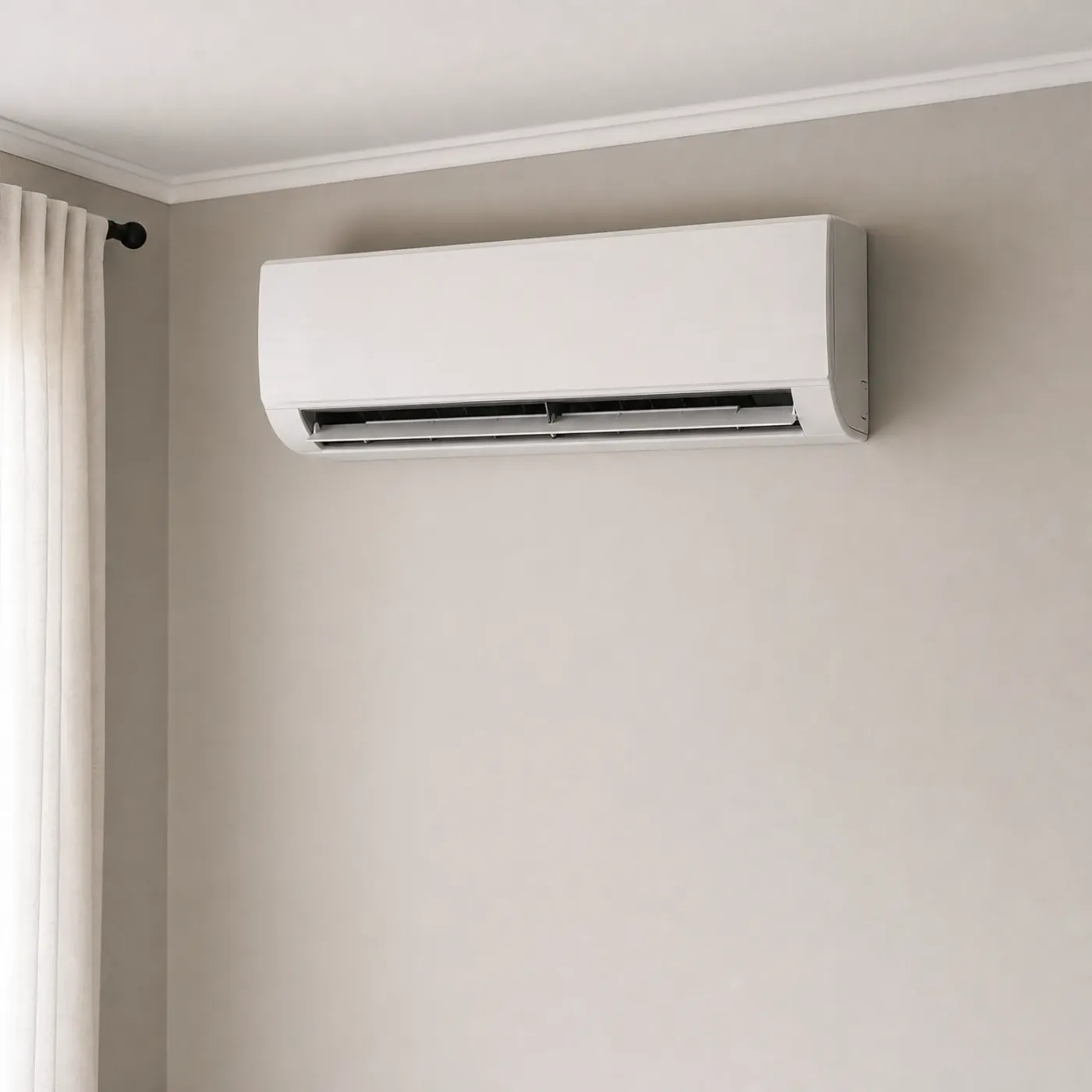
A white wall-mounted mini-split air conditioner installed high on a beige interior wall near the ceiling molding, with a light curtain and curtain rod at the left edge.
After you get your mini split repair

Get your mini split to the right pro

A mini split stuck in defrost through a Wisconsin cold snap isn't something to ride out on your own. With gas heat backing up most houses here, a mini split that won't come out of defrost usually means a zone, a garage, or a room going cold while the rest of the house stays warm, and electricity here costs enough that you don't want a unit running a defrost cycle over and over without heating anything. Figuring out whether it's a stuck reversing valve, a bad sensor, or low refrigerant means getting someone out to look at it, and that usually means searching for a contractor who works on mini splits, calling a few, explaining what the display is showing each time, and sorting through quotes before you even get a date on the calendar. Handing that off now means one contractor who works on this equipment gets in touch with you, and that search, those calls, and the repeating yourself are off your plate while the house is still cold.

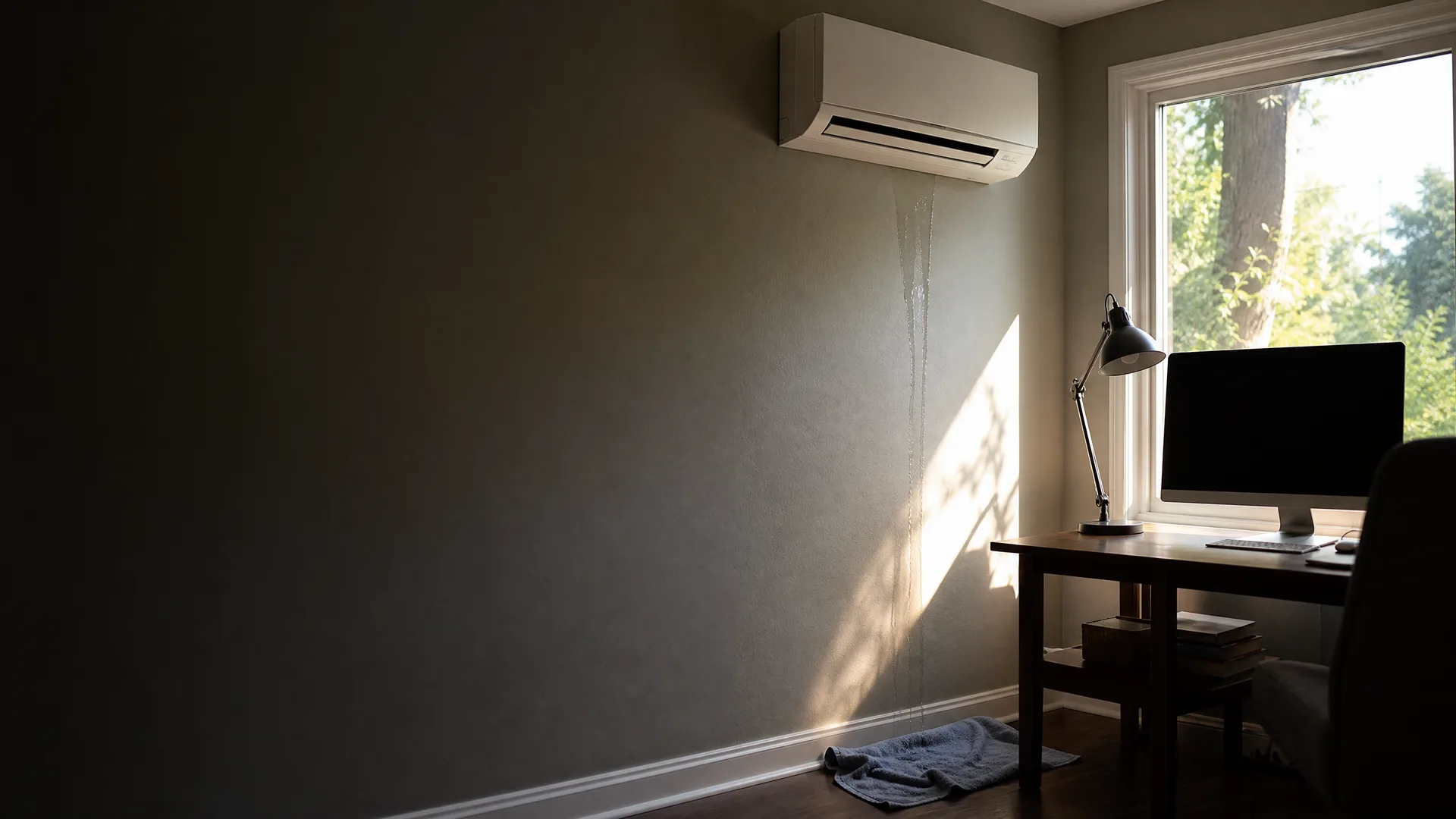
A wall-mounted mini-split air conditioner leaking water down a dim gray wall onto a towel on the floor, beside a window with a desk, lamp and monitor.

You're at the desk in the home office, middle of a summer afternoon, and you notice the wall under the indoor unit looks wrong. A streak of water has run down from the unit's casing, dark against the paint, and it's already reached the baseboard. You grab a towel and get it down on the floor before it spreads to the carpet. The mini split is still blowing cool air like nothing's happening. Outside it's sticky, the kind of July day you bought the thing for, and now you're standing here with a wet towel wondering how long it's been dripping before you walked in and saw it.

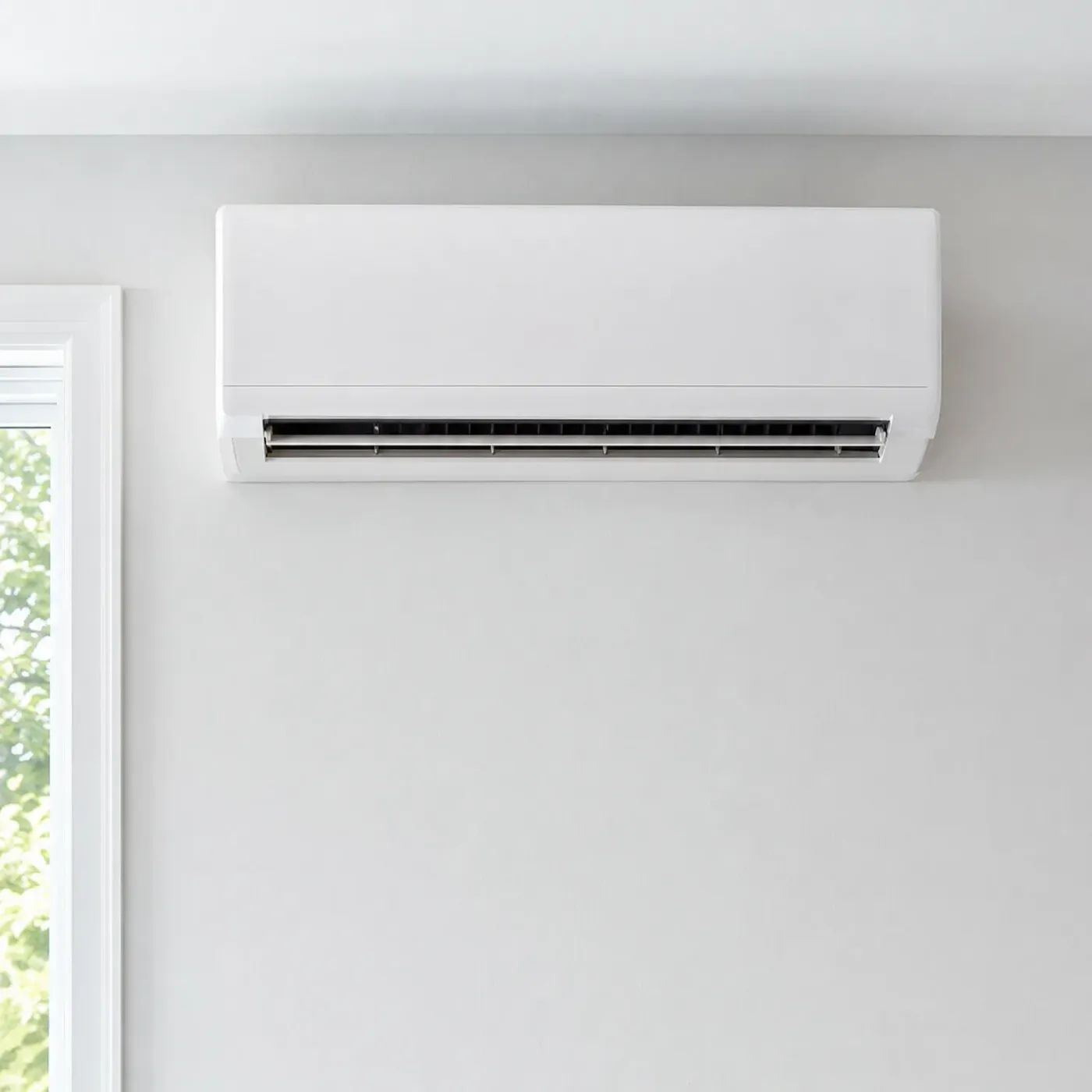
A white wall-mounted mini-split air conditioner unit installed high on a light gray interior wall near the ceiling, with a white-framed window and green foliage visible at the left edge.
The outdoor fan turns, the coil underneath is clean, and the indoor head keeps sending warm air into the room on schedule.
A dusty white wall-mounted mini-split air conditioner installed high on a beige interior wall below a molded ceiling trim.
Dust has packed into the casing and vents, the filter sits exposed behind an open panel, and warm air stops reaching the room.
A single-story house with light gray horizontal siding, dark gray shingled gables, black shutters and a dark front door, fronted by a mulched bed of small shrubs and a large lawn under a clear blue sky.

Summer here isn't just hot, it's heavy. Averaged across June, July and August, the dew point in Wisconsin runs 60°F, measured by NOAA, and that's the number that makes the air feel thick even on a mild day. Your mini split isn't just dropping the temperature then, it's pulling that moisture out of the air to keep the room feeling dry. That's more work than cooling alone, and it shows up as the outdoor unit running longer and the indoor head cycling more often than you'd expect from the thermometer. If the coil inside is dirty or the drain line is slow, this is the stretch of the year it tends to show.

NASA POWER T2MDEW county cells weighted by homes

A bearded man in a plaid flannel shirt stands indoors looking out a frost-covered window, with a steaming dark blue mug on the wooden sill and snow-covered trees outside.
A smiling man in a dark blue T-shirt sits on a light gray sofa in a living room with a wooden shelf and window behind him, with a laptop edge visible in the foreground.

You deal with a frozen outdoor unit by watching it through one or two cycles, since that's usually all a Wisconsin cold snap asks of the system.

You deal with a unit that stays iced over and never sends warm air back by getting it looked at, since waiting on that one costs you heat the rest of the house doesn't have to lose.

Power costs 18.08 cents per kilowatt-hour statewide

When a mini split gets stuck running defrost cycles too long, it's drawing on strip heat or extra compressor time to catch back up, and at 18.08 cents per kilowatt-hour, that shows up fast on your bill. A unit cycling correctly costs you little extra over a Wisconsin winter.

EIA-861 2025 statewide residential average

A mini split going into defrost mode on a cold Wisconsin day is doing its job. The outdoor unit pauses, melts the ice off, and gets back to heating in a few minutes. What's not normal is a unit that stays frozen past that, or an indoor head that never warms back up. That's the line between a system working the way it's built and one that needs a technician to look at it. You already know how to tell the difference, now you don't have to figure out who to call about it. Instead of searching through contractor listings, calling a few, explaining the same frozen coil and cold indoor head to each one, then weighing quotes against each other, you answer a few questions once and a contractor who works on mini splits in Wisconsin winters gets in touch with you. The system either resets itself in a few minutes, or it doesn't, and you'll know which one you're dealing with before the house gets any colder.

A dimly lit room with a dark gray wall holding a white wall-mounted mini-split air conditioner near the ceiling, with a sofa, table lamp, potted plant, and curtained window at left.

The right pro for this job

Fill out one short form instead of calling around.

Step 1 of 3: Equipment