5 to 15 degrees
That's the range where most mini splits start losing heating power. Below it, the system still runs, but your gas furnace is what should be carrying the load.
A mini split can run all winter in Wisconsin, but on the coldest days most of them need help. Below about 5 to 15 degrees, depending on the model, a standard heat pump mini split loses most of its heating power, and it also has to pause now and then to run a defrost cycle and melt the frost off its outdoor coil. During that pause it isn't heating at all. Newer cold climate models hold up much further into negative numbers, but Wisconsin still gets stretches colder than almost any mini split can handle alone. That's why most homes here keep gas heat as the main system and let the mini split carry the shoulder months and the mild days, or back up the gas furnace on the days it needs the help. Running it alone through a Wisconsin January means asking it to do a job it wasn't built for.
That's the range where most mini splits start losing heating power. Below it, the system still runs, but your gas furnace is what should be carrying the load.
On cold, humid days the outdoor unit pauses to melt frost off its coil. A tech can check it's clearing fully instead of icing over.

If your mini split is working harder than it should on the cold nights, you'll see it on the power bill before you see it anywhere else. Power here isn't cheap, and a unit straining below its rated range pulls more of it for less heat. Most homes in Wisconsin have a gas furnace to fall back on, and that's the system that should be doing the heavy lifting once temperatures drop into that range. A mini split that's clean, properly charged, and set up to hand off to the furnace at the right point costs you less over a full winter than one left to fight the cold on its own.
A unit that's losing refrigerant or has a dirty coil will struggle earlier than it's supposed to, sometimes well above that 5 to 15 degree mark, and you'll notice rooms not holding heat the way they used to. Catching that early is cheaper than catching it in February. If you'd rather have someone who knows your system look at it before winter decides for you, you can get matched with a contractor who works on mini splits in your area, and they'll reach out about what your unit needs.

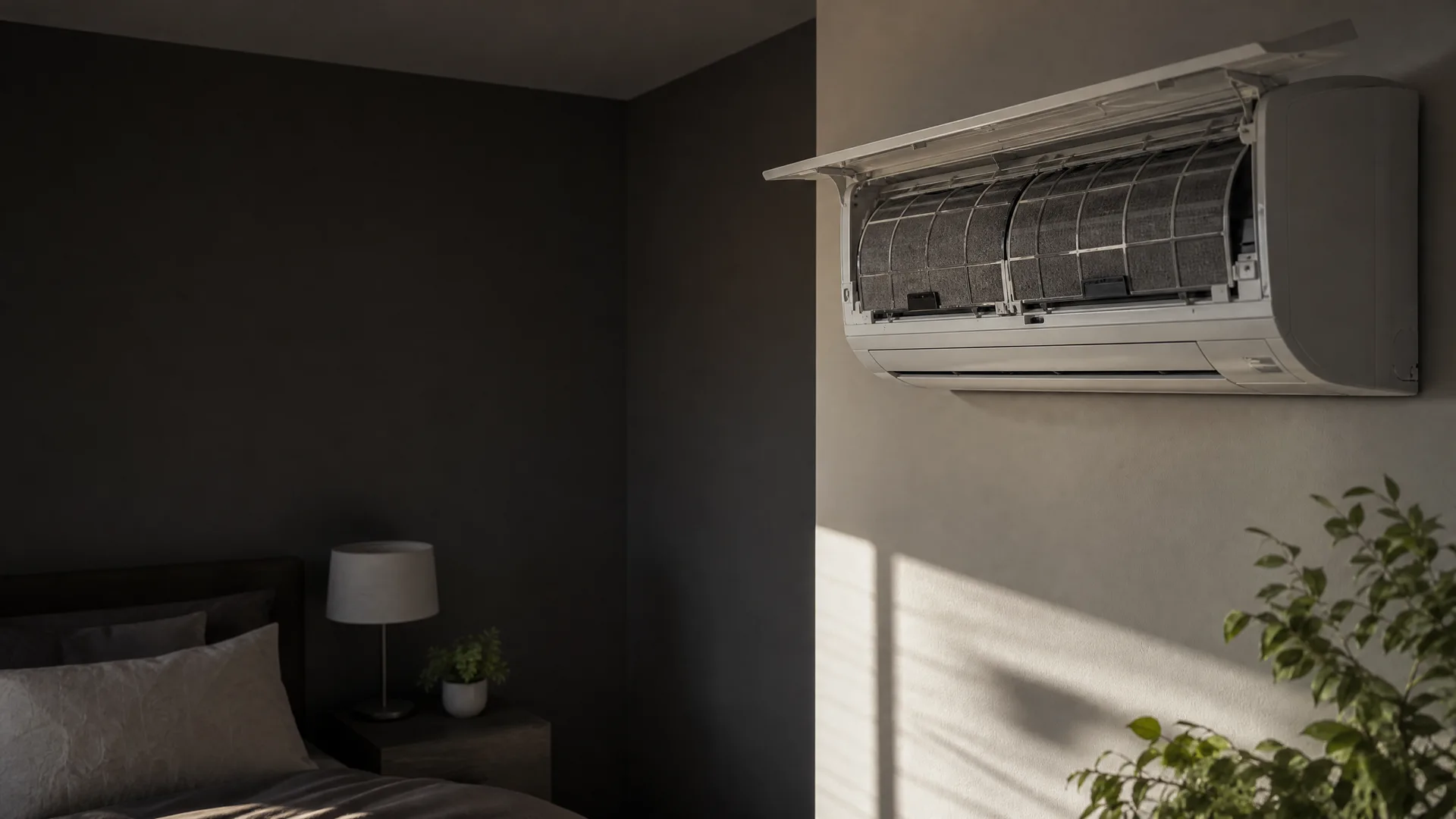
Late March, and the snow outside your window finally quit coming back. You've got the front cover of the bedroom mini split popped open, a screwdriver resting on the sill. The filter screen comes out grey, thick with a winter's worth of dust, and you hold it up to the light to see how bad it really is. The unit ran hard the last few months, pulling air through that screen every time the furnace handed off the cold snaps to it. You wipe your thumb across it and it leaves a mark. Outside, the thaw drips off the eaves. You set the filter in the sink and go looking for the hose attachment.

Summers here aren't the problem for your mini split, but they explain why it needs attention before winter asks more of it. Averaged across homes in Wisconsin, the summer dew point runs 60°F through June, July and August, according to NOAA climate data. That's heavy, sticky air, and your mini split spends those months pulling moisture out of it as much as cooling it. Grime builds on the coil faster in air that wet. Carry that into October without a look at the coil and filter, and the unit is already working harder right when it needs to switch over to heating and lean on your furnace less. A contractor who services mini splits in your area can check what that summer left behind before the cold sets in, and once you're matched with one, that's off your plate.
NASA POWER T2MDEW county cells weighted by homes
One request and the search for a pro is handled.
You're not committing to anything by asking.
You skip the furnace and let the mini split carry the house through winter. On mild days that works fine. Once the temperature drops into single digits, the unit is pulling heat out of air that barely has any, so it runs longer to put out less. The outdoor coil frosts up more often, and each defrost cycle is one more stop the compressor has to recover from. None of that breaks the system on its own, but it adds hours of runtime you wouldn't see if the furnace were taking the cold nights. Power here costs more than gas does, so those extra hours show up on the bill before they show up anywhere else.
You let the mini split handle the milder stretches and switch to the furnace once temperatures fall into that 5 to 15 degree range where heat pumps lose their edge. The mini split isn't working against conditions it was never built for, and the furnace isn't running nonstop from October through April either. Each system does the part it's suited for. The tradeoff is remembering to switch, or having a thermostat set up to do it for you. Most homes here already heat with gas, so the furnace is there and ready. The mini split still earns its keep on the shoulder months when it can run without strain.




Let the mini split run on its own and it will keep working, but it's pulling heat out of air that barely has any, and the outdoor unit spends more of its cycle fighting frost than warming your rooms.
Let the furnace take over once it's cold enough and the mini split stops straining. It covers the mild days and mornings well, and the furnace handles the nights the mini split was never built for.
At 18.08 cents per kilowatt-hour, every hour your mini split spends straining below its rated range shows up clearly on the bill. A unit that's clean and charged right pulls heat out of the air efficiently. One that's dirty or low on refrigerant just runs longer to do the same job, and at that rate, longer runtime isn't cheap.
EIA-861 2025 statewide residential average
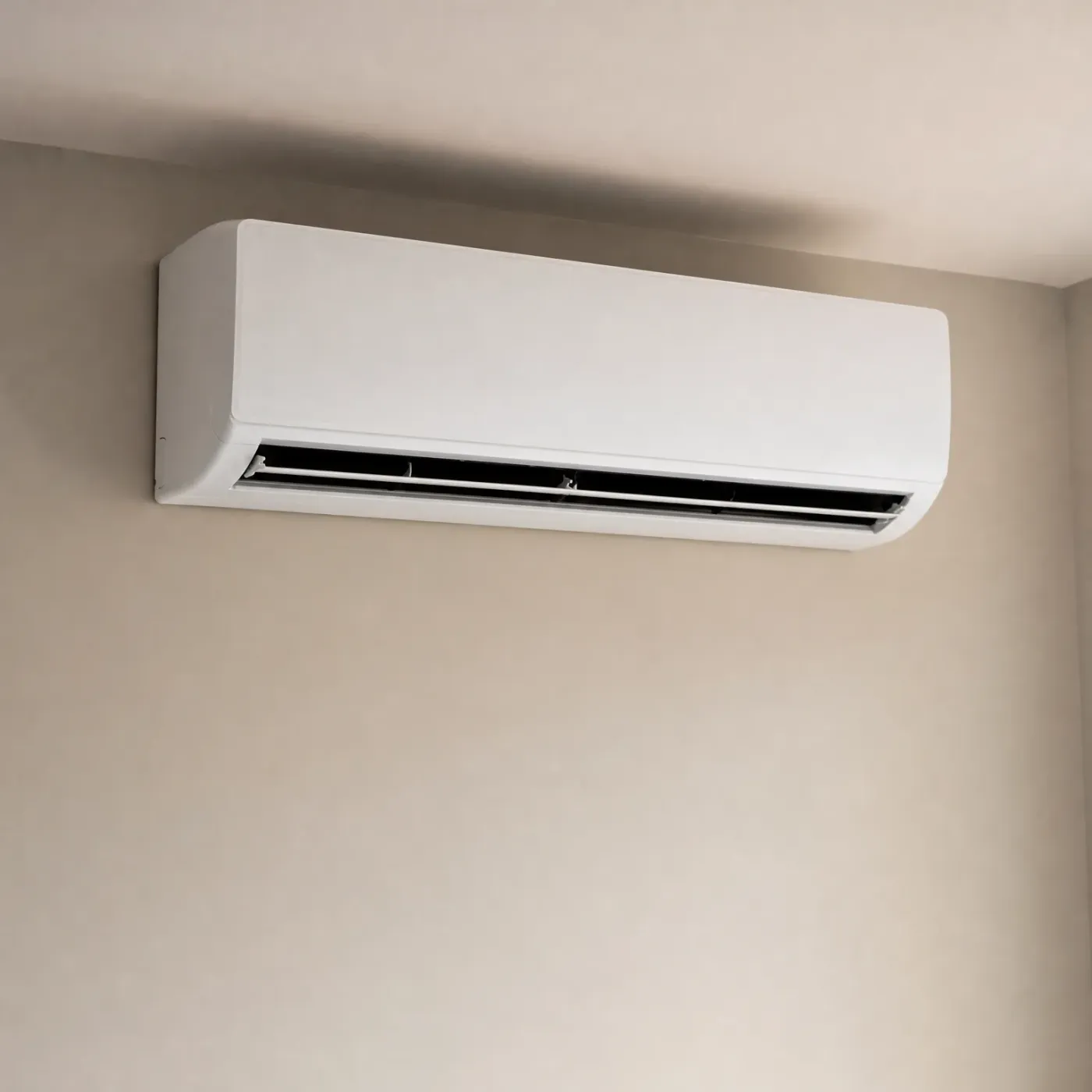
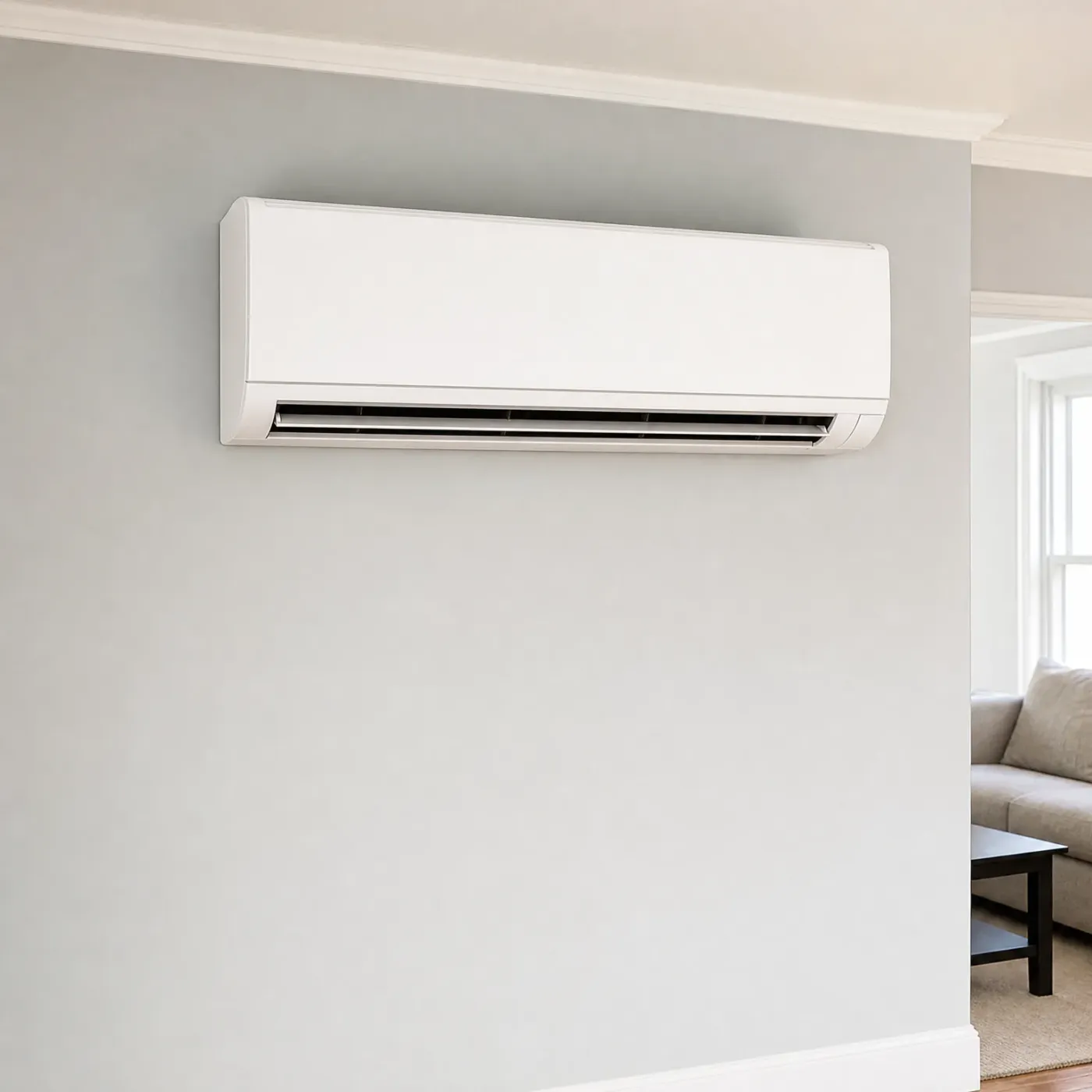
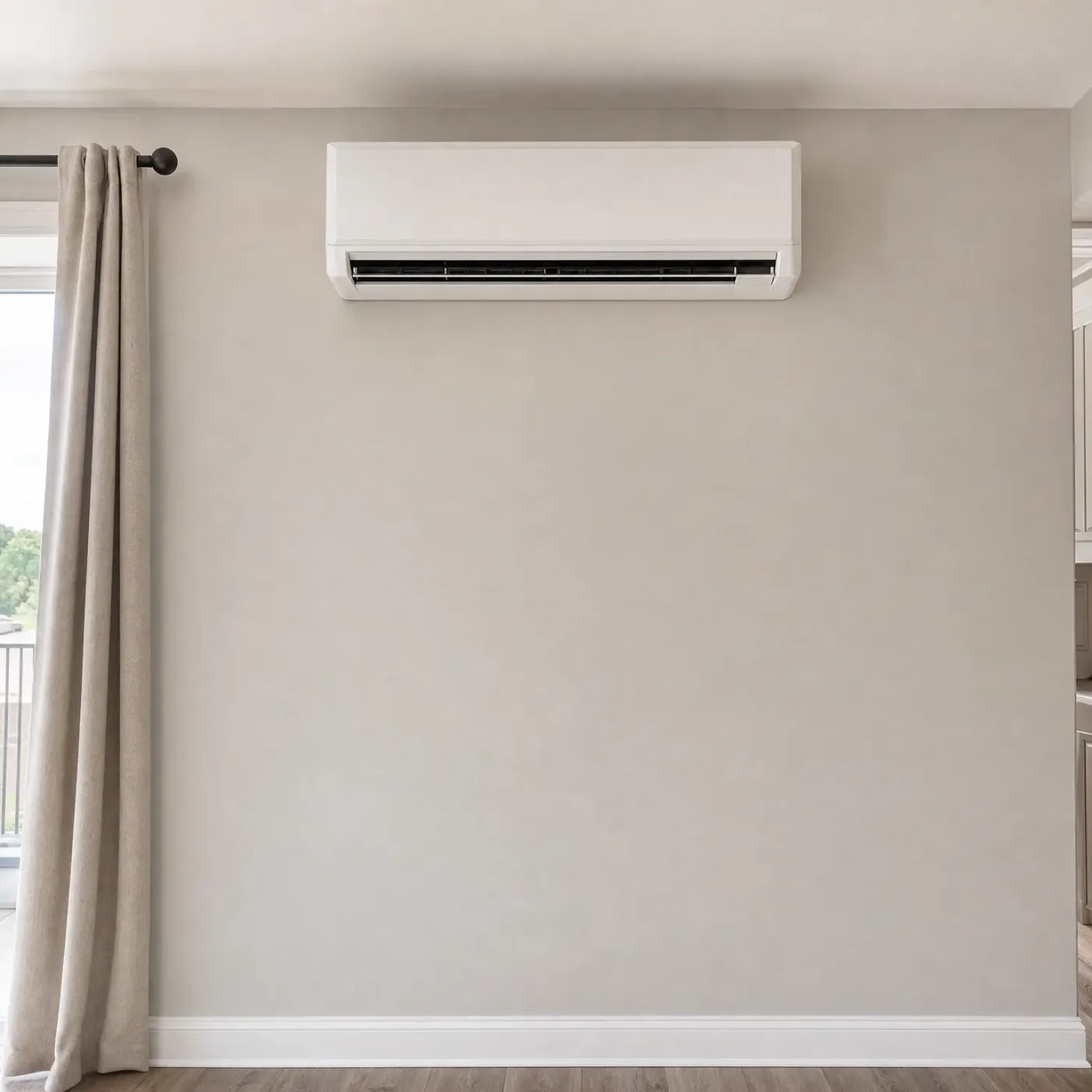
This is what a mini split looks like when it's not fighting itself. Closed panel, clear grille, air moving the way it's supposed to. A unit in this shape holds its rated output down to whatever temperature it's built for, and it isn't costing you more than it has to.
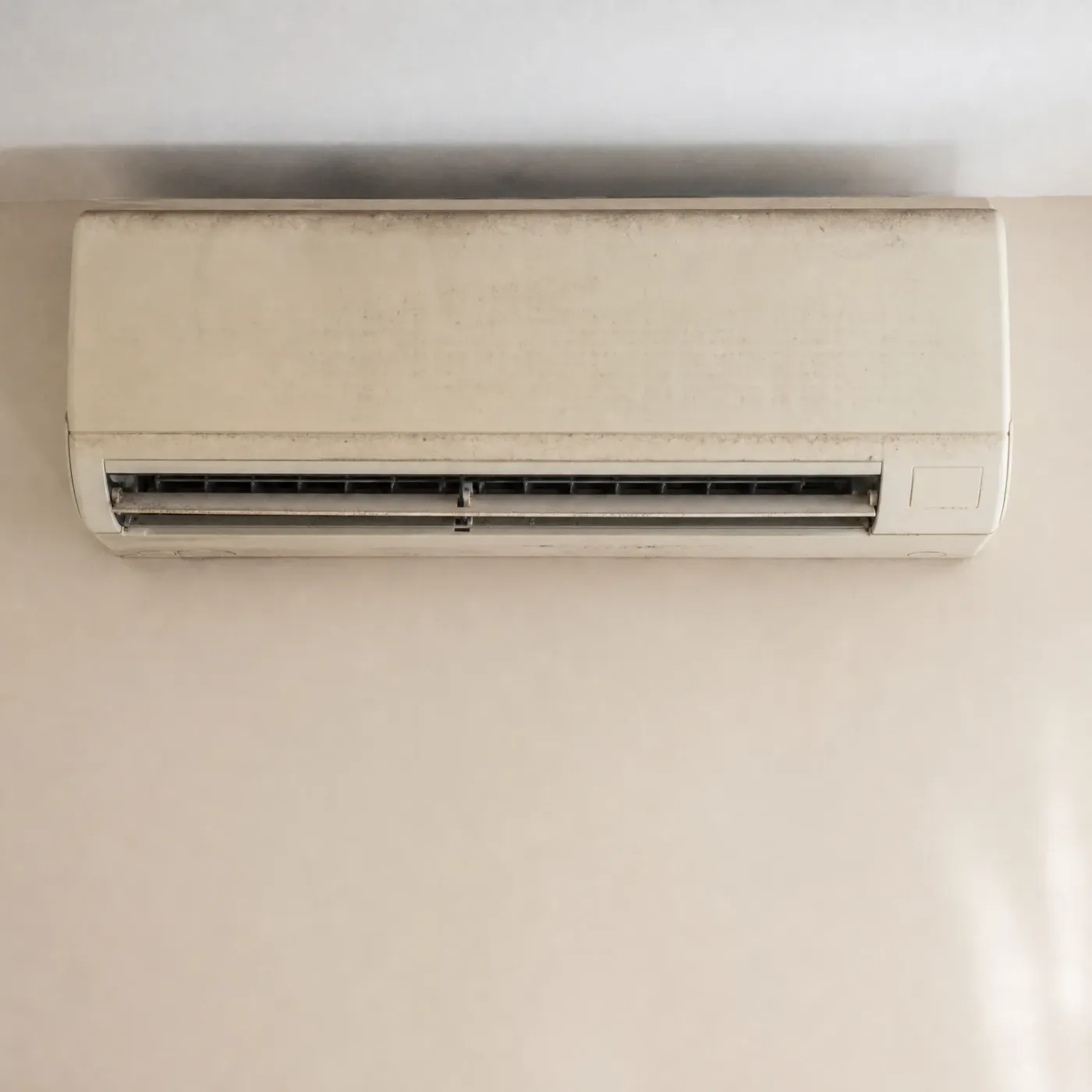
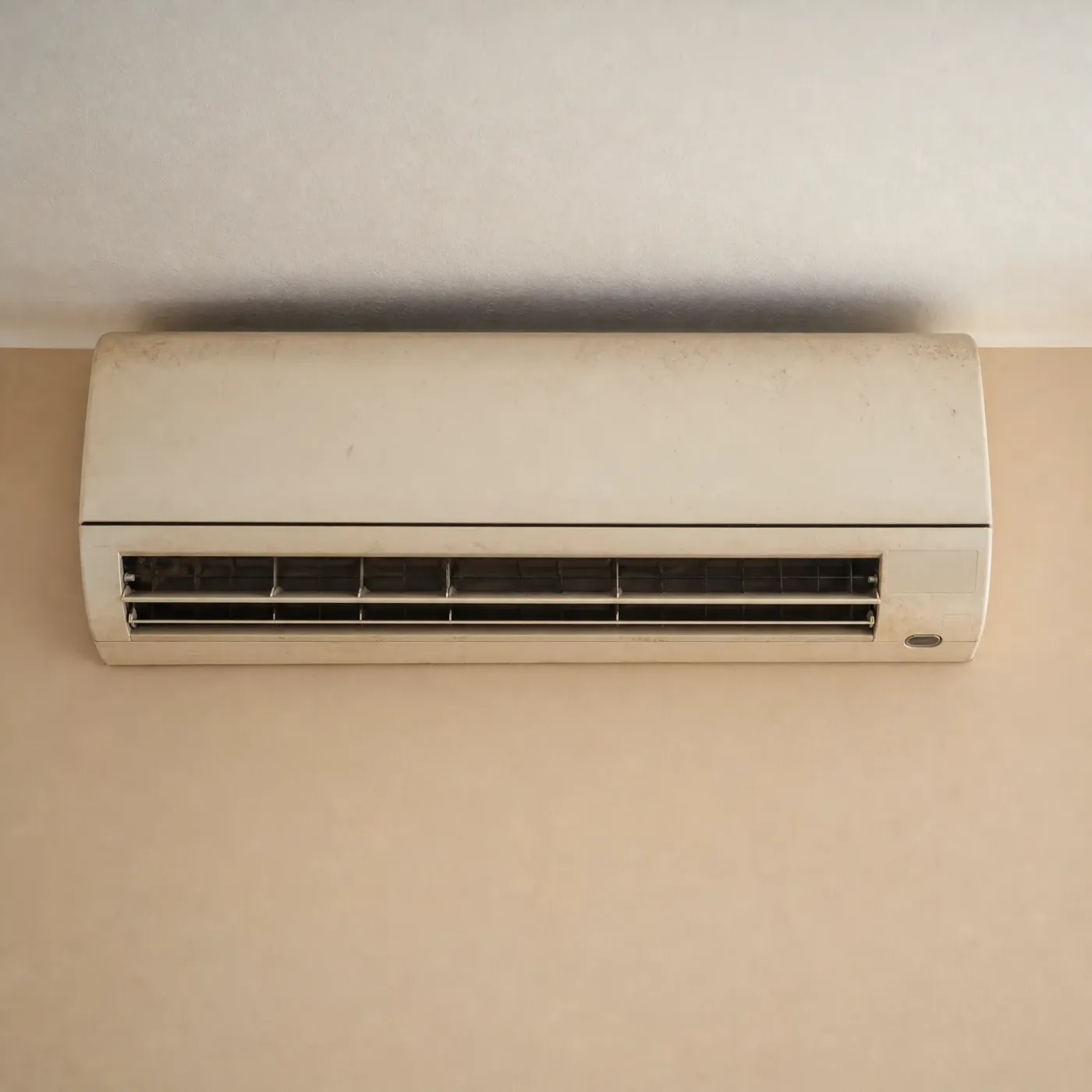
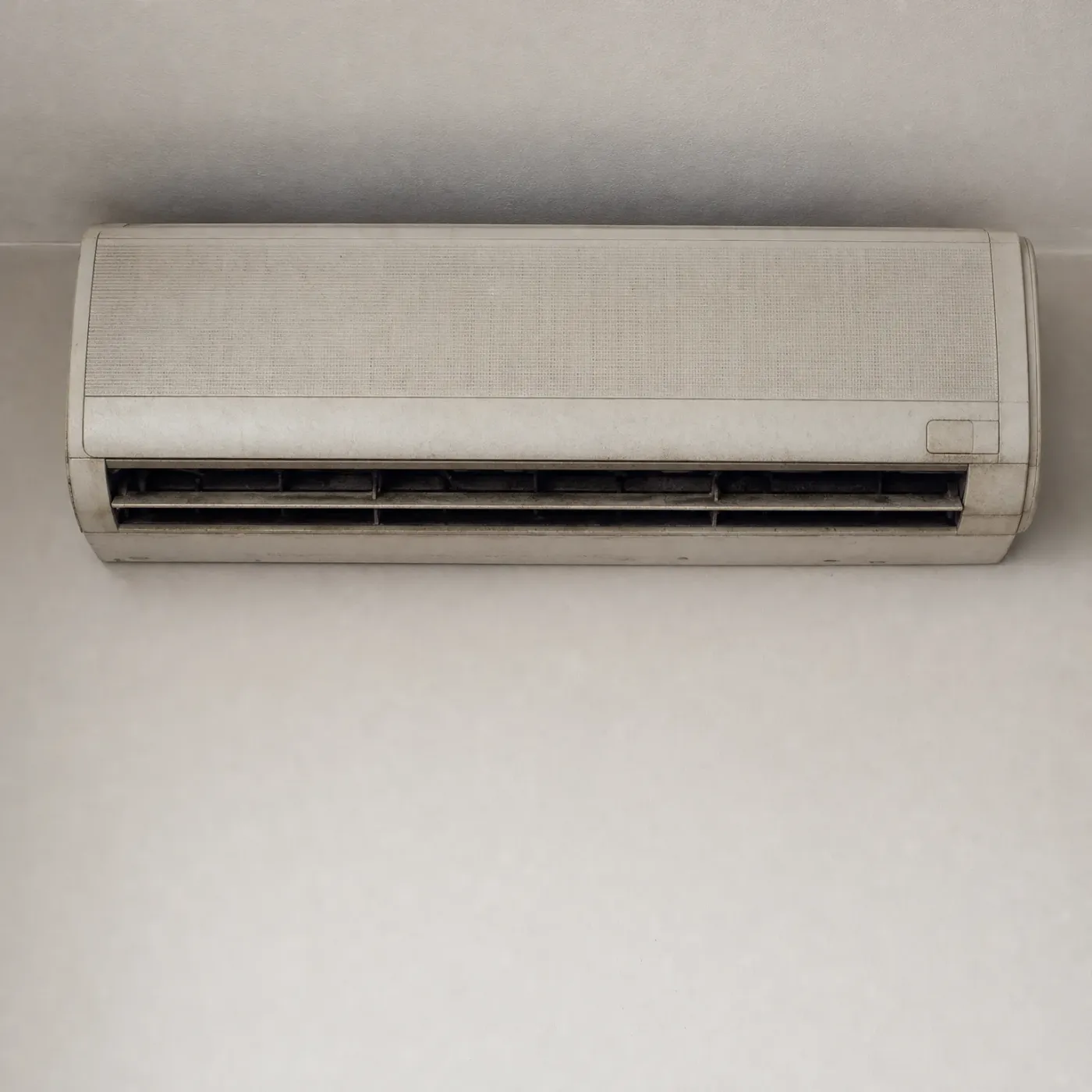
This is what three or four winters without a filter cleaning or a coil check looks like. The discoloring on the casing isn't just cosmetic. A unit this worn is pulling less heat for more power, and on the coldest nights it's the first thing to fall behind.
You'll notice it first at night. The unit is running, the fan sounds normal, but the air coming out feels lukewarm instead of warm, and the room never quite catches up. Out at the outdoor unit, you might see frost built up along the coil, or notice it cycling off and on more than it used to. Some owners hear a louder hum as the system strains to pull heat from air that's already close to freezing. None of this means the mini split is broken. It means it's being asked to do a job your furnace is better suited for on the coldest nights. Left alone, a unit working that hard season after season wears down faster than one that gets help when it needs it.
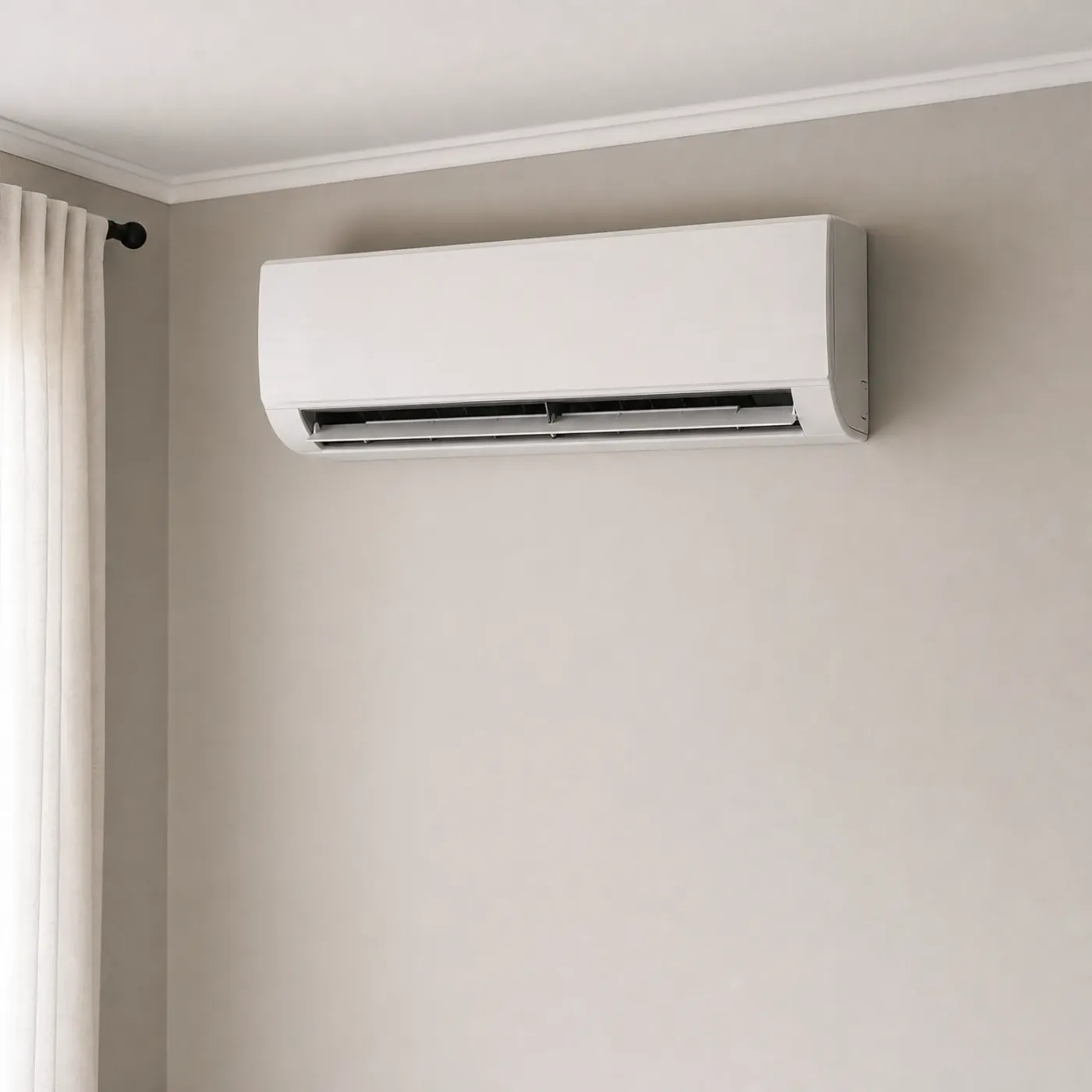
This is a mini split that's kept up with. The panel sits flush, the vents are clear, and it's pulling its rated heat out of the air without a fight. Set the furnace to take over below that 5 to 15 degree mark and this unit handles everything above it without strain.
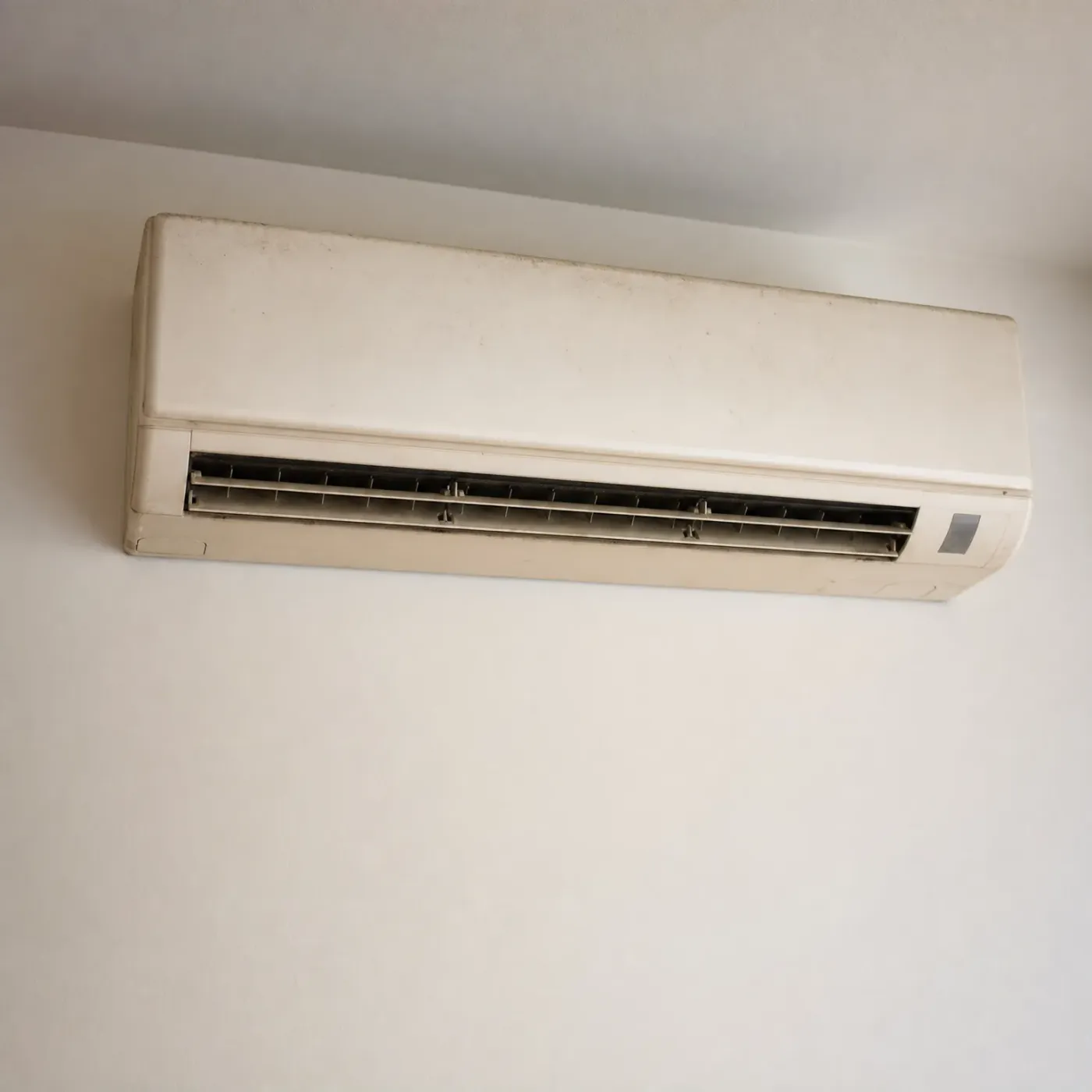
Yellowed casing and dust along the vents mean the coil behind it is probably in the same shape. A unit this dirty can't move heat the way it's rated to, so it runs longer for less warmth and leans harder on the furnace than it should have to.


A mini split in Wisconsin can carry your house most days from November through March. The gas furnace is there for the days it can't, and that's by design, not a flaw in the system. Somewhere between 5 and 15 degrees, depending on the model, the outdoor unit stops being the efficient option and starts being the one working hardest for the least heat. That's the point where the furnace should take over.
What decides whether your unit holds up its end before that line is whether it's clean and properly charged. A mini split that's had its filter cleared and its refrigerant checked pulls heat out of cold air the way it's rated to. One that hasn't starts losing ground quietly, a lukewarm room before a louder bill, and by the time you notice either, it's already cost you something. Power here runs 18.08 cents a kilowatt-hour, so a unit straining below its range doesn't just feel off, it shows up on the statement.
None of this is complicated once it's in front of you. The unit can run all winter. It shouldn't run alone below that 5 to 15 degree mark. And it holds up its end best when someone's looked at it before the cold really sets in. Send the form and the part that's on you ends there. Someone else takes it from here.

A mini split pro near you