

Running clean
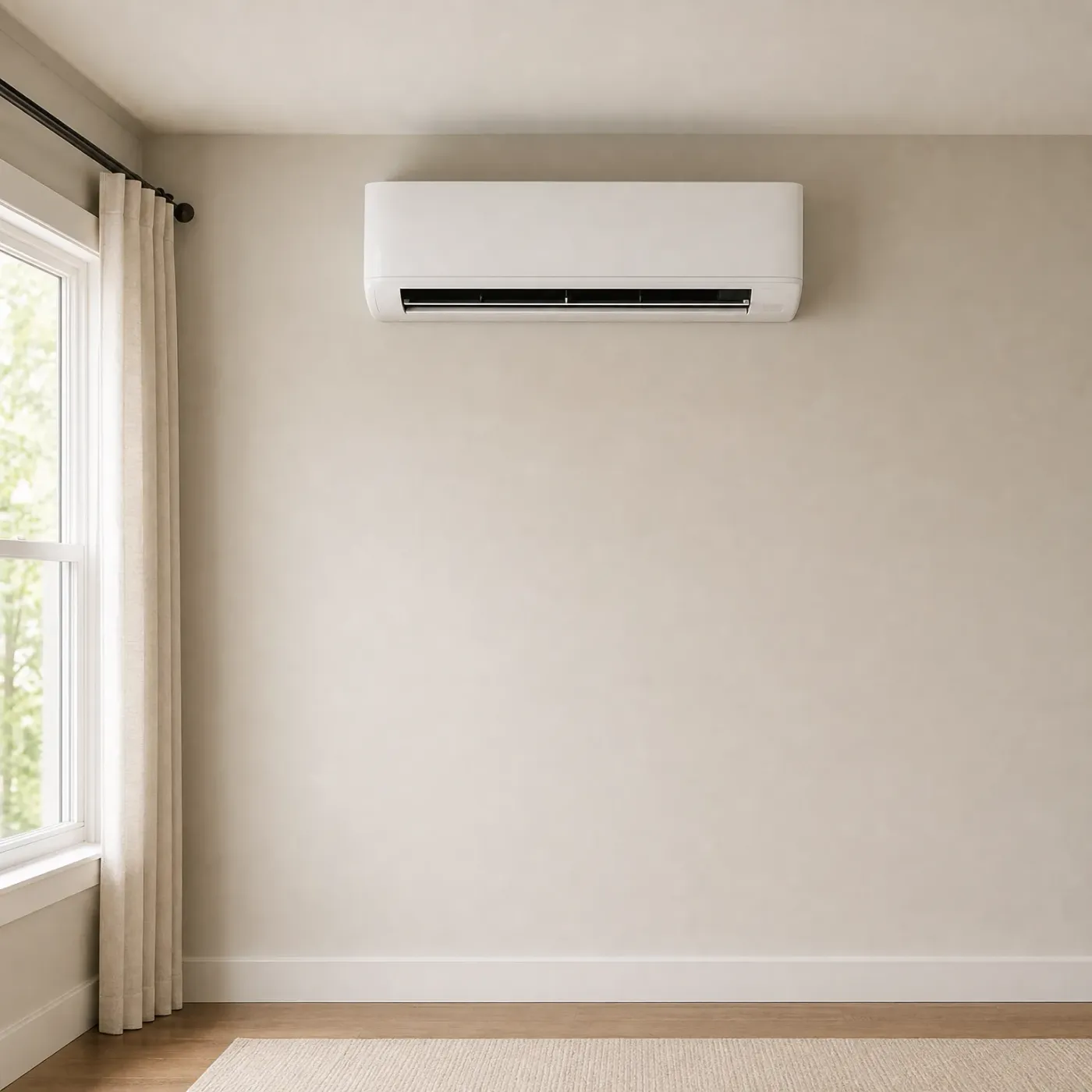
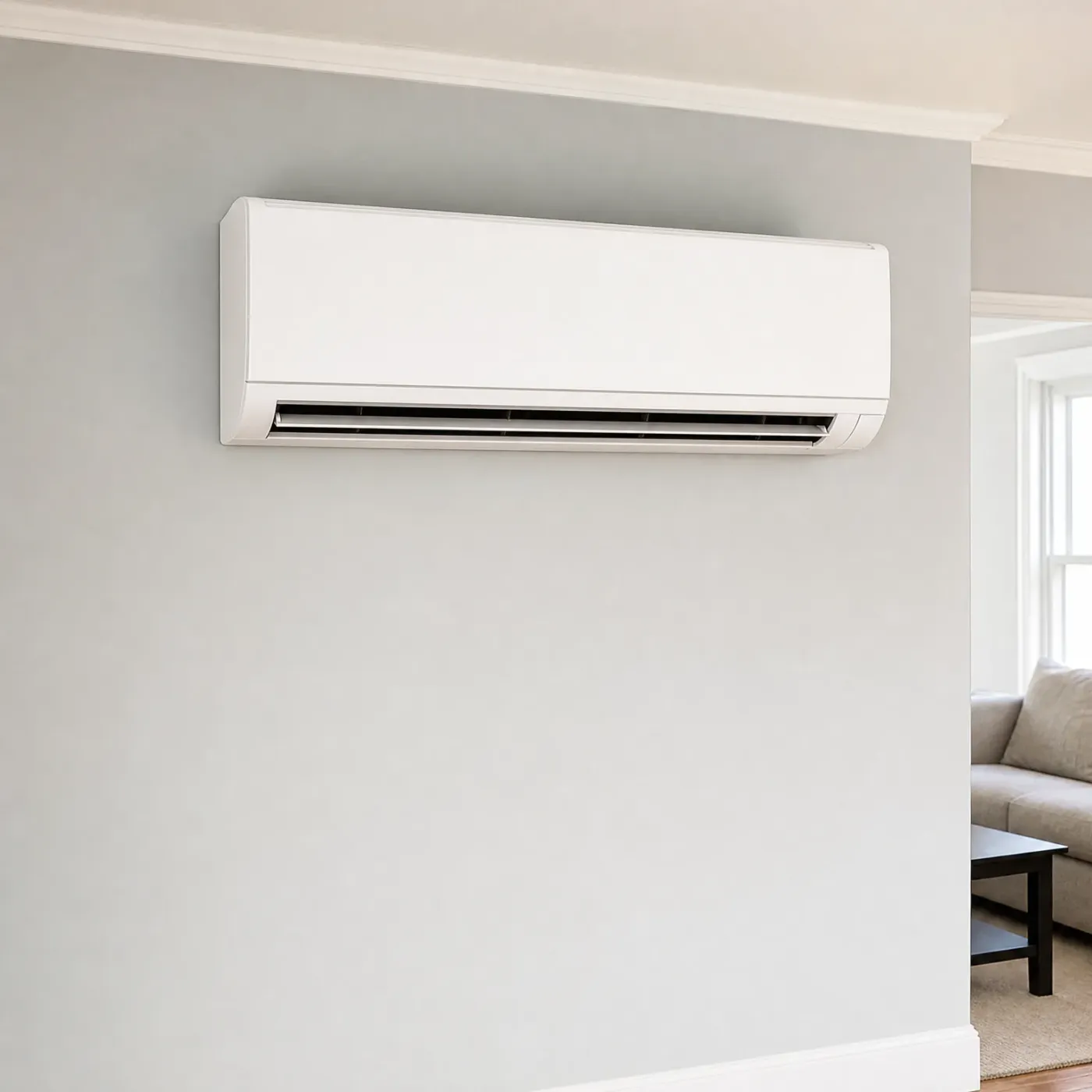
This is what a mini split should look like doing its job. Air moves freely through the vents, and the unit keeps the room steady whether it's a sticky July night or a January cold snap.
Yes, a cold-climate mini split is worth it in Wisconsin, as long as it's the cold-climate version and not a standard one. The difference is the compressor. A cold-climate model keeps producing heat down into single digits and sometimes below zero, while a standard mini split starts losing capacity once it gets cold outside and can stop heating altogether. Most homes here heat with gas, so the mini split usually isn't carrying the whole winter on its own. What it does well is cover the shoulder seasons and milder winter days efficiently, and it handles summer cooling in rooms that window units or a single central system struggle to keep comfortable when it gets sticky out. Whether it's worth it for you depends on how your home is set up, what you're trying to heat or cool, and whether the unit installed is actually rated for this climate.




The outdoor unit's compressor is variable-speed, so it speeds up as the temperature drops instead of staying at one setting. That's the main difference from a standard mini split, which only runs at a fixed pace. Once it's below freezing outside, the outdoor coil pulls moisture out of the air and ice forms on it. The system handles that by running backward for a few minutes, melting the frost off before it goes back to heating. While that's happening, the indoor head stops blowing warm air. That's not the system struggling, it's the defrost cycle doing its job. A cold-climate compressor is also built to handle a wider range of refrigerant pressure than a standard one, and the outdoor coil itself is larger, so it can still pull usable heat out of air that's barely above zero. Some models add a vapor injection circuit that feeds extra refrigerant into the compressor partway through the cycle, which keeps it making heat instead of stalling out when it's this cold.


Skip the round of in-home estimates for a new mini split.
No fee to send it, and nothing to sign.
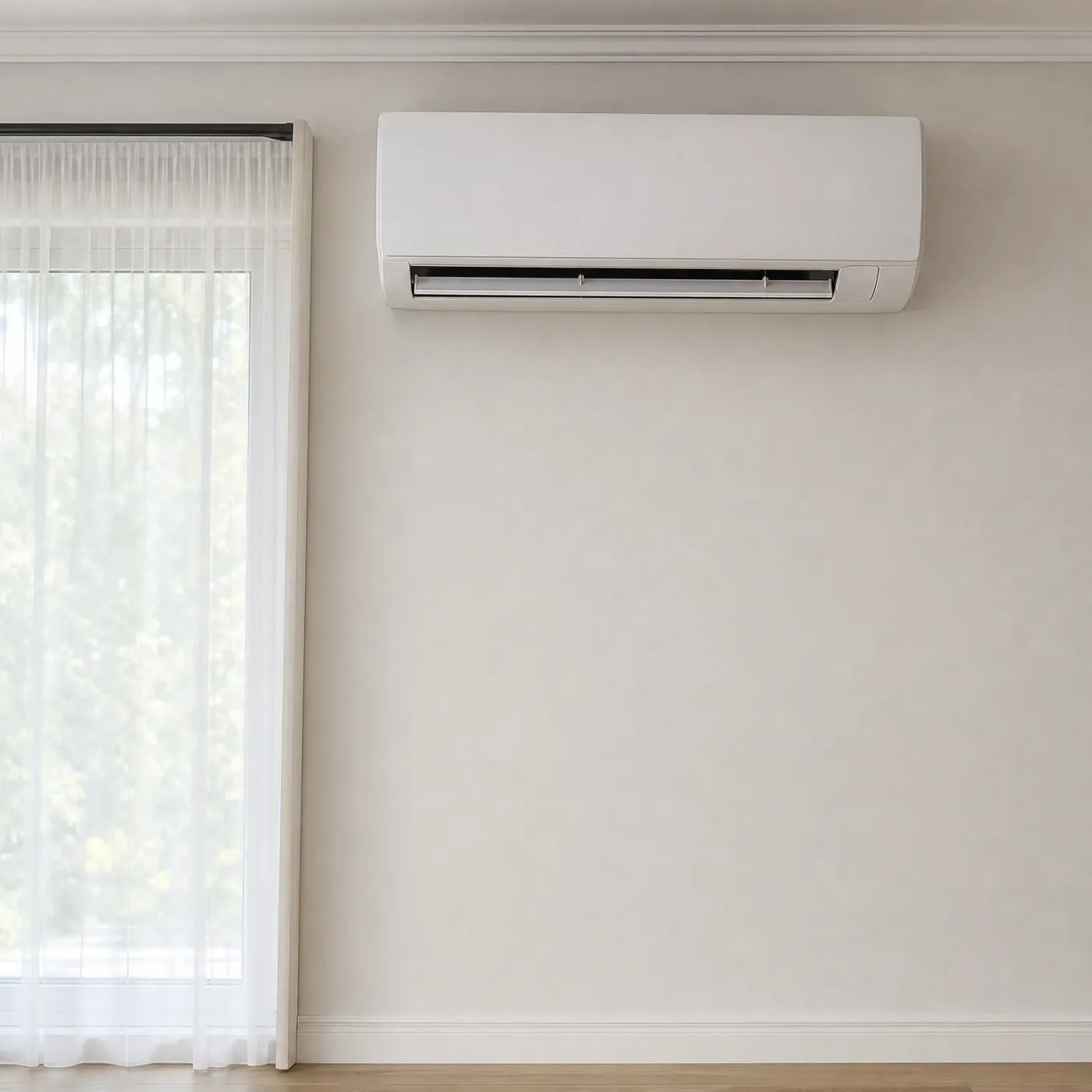
This is what a mini split should look like doing its job. Air moves freely through the vents, and the unit keeps the room steady whether it's a sticky July night or a January cold snap.
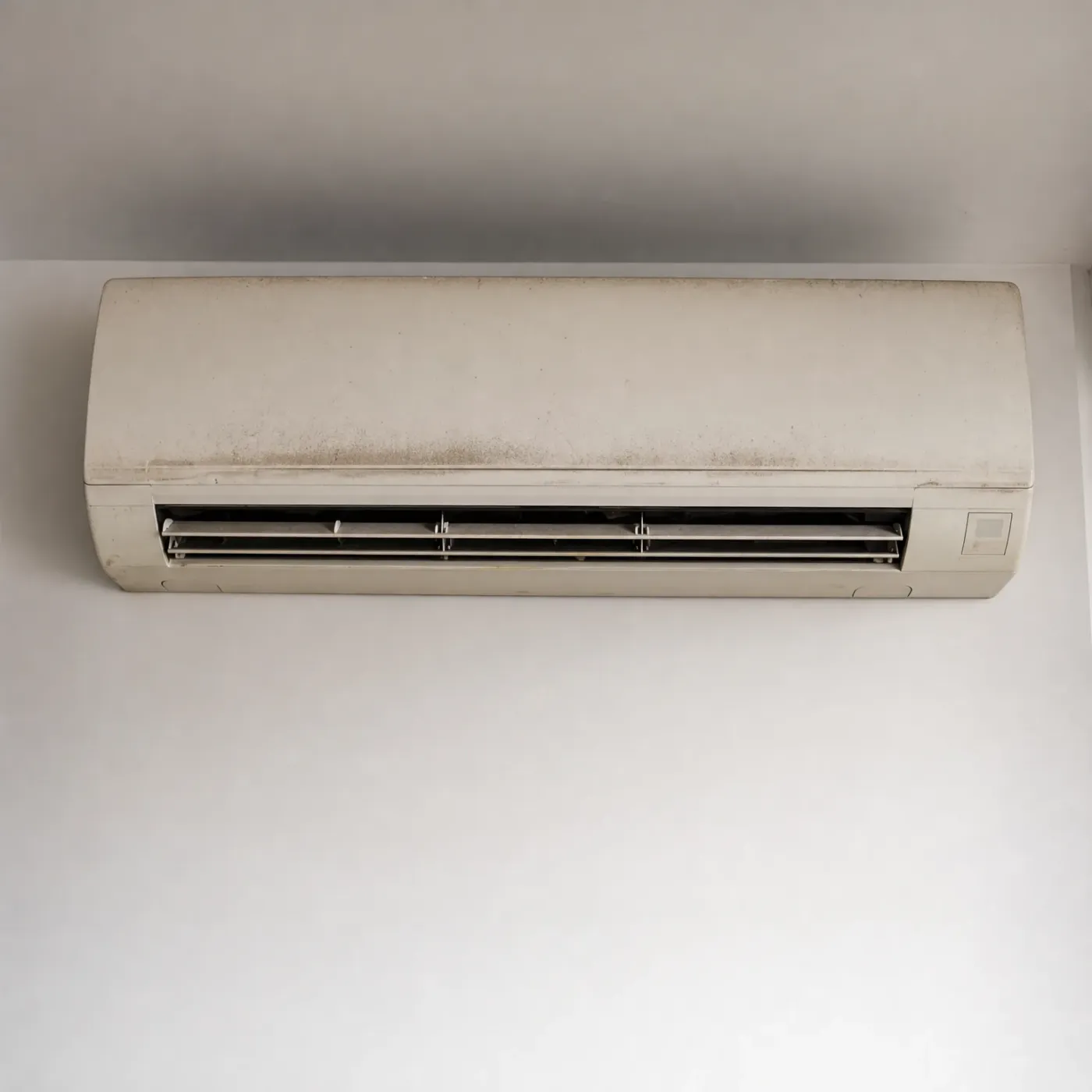
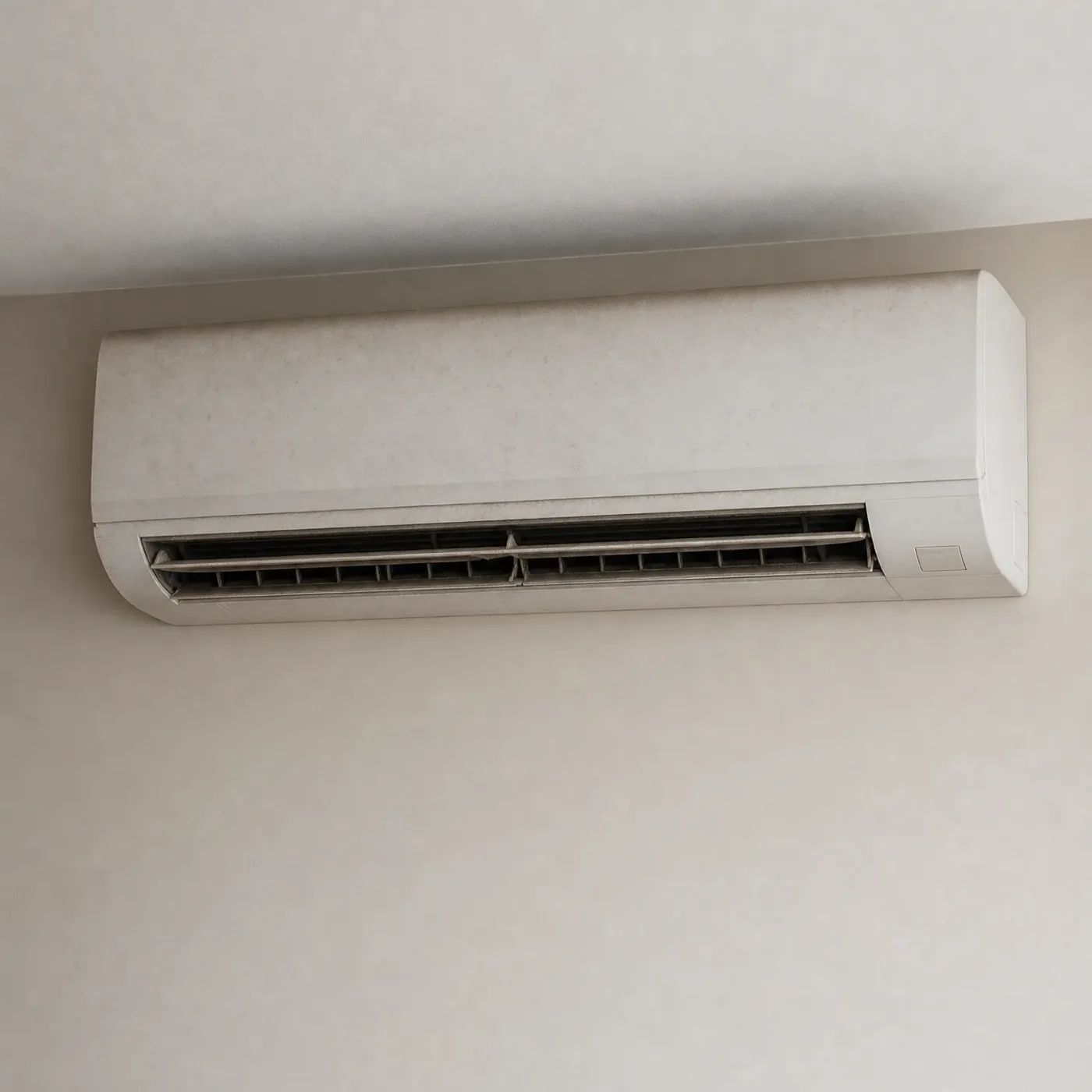
Grime like this across the top and vents blocks airflow before it reaches the coil. The unit has to work harder to move the same air, and in a Wisconsin winter that's load it can't afford to lose.
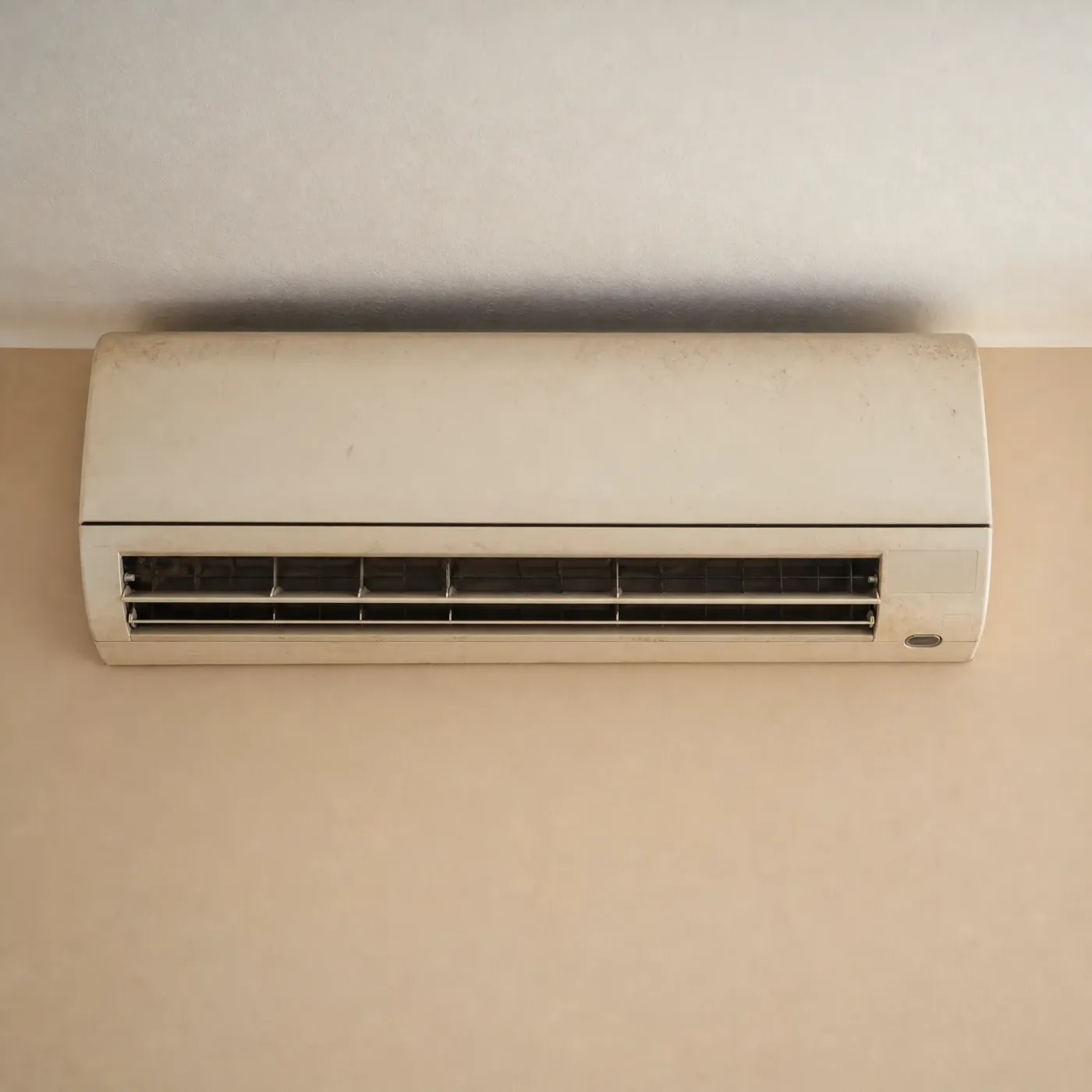
Most homes in Wisconsin heat with gas, and a cold-climate mini split doesn't replace that furnace. It takes over the mild stretches, October, November, March, April, when the furnace would otherwise be cycling on and off all day for a few degrees of heat. The furnace stays there for January. What changes is how often it has to run, since the mini split can carry the load on its own until the temperature drops far enough that it needs the backup.
Power is expensive here, so it's worth knowing what you're running. A cold-climate mini split uses electricity to move heat, not to generate it, which is why it costs less to run than a space heater or electric baseboard for the same room. In summer, it does the same job in reverse, pulling humidity out of the air along with the heat. On a sticky July night that matters as much as the temperature on the thermostat.
At that rate, every hour your mini split's compressor spends ramping up on a cold night shows up on the bill. It's still cheaper than running a furnace through those same mild stretches, but it's a reason to size the install right and not oversize the unit for the room.
EIA-861 2025 statewide residential average
The answer is yes, with the cold-climate version, sized for your house and installed by someone who knows the difference. In Wisconsin that means a unit that carries October, November, March and April on its own, holds its output through the cold snaps, and hands January and February back to the furnace. That split is what makes the math work. A standard mini split can't do the cold-weather half of that job, and an oversized cold-climate unit just spends more hours ramping its compressor than it needs to, which shows up on the power bill.
None of that happens by accident. It depends on the right equipment going into the right house, set up by someone who sizes the load instead of guessing, and who keeps it running clean afterward. That's where most of the work in this decision actually sits, not in whether the technology makes sense for Wisconsin, but in finding someone who'll install it the way it's meant to be installed.
That's the part this page can take off your plate. Instead of searching contractor listings, calling around to see who even carries the cold-climate line, explaining your house and your furnace setup over and over, and sitting with a stack of quotes trying to tell them apart, you send one form. What comes back is someone qualified to do this job in your climate, already on their way to being on your calendar. The decision about whether a cold-climate mini split belongs in your house is already answered. What's left is getting the right person to put one in.





Describe the project once instead of to every installer.
Sending the form costs nothing.