
5 below zero
That's roughly where a cold-climate mini split's output finally tapers off. Most Wisconsin winters bottom out around there, which is why the compressor built for that range matters more than the price tag.
 Hand off my installation
Send the form and stop researching installers for the new mini split.
Most mini splits lose their heating ability somewhere in the teens or lower, depending on the model. Older units can struggle even sooner. On a January night in Wisconsin, that matters, because a unit that can't keep up is more than an inconvenience. It means a cold room and a higher bill from whatever backup heat kicks in to cover the gap.
If your mini split was installed for shoulder-season comfort or to take some load off a gas furnace, it may not be built for the kind of cold that settles in here from December through February. The ones rated for cold climates are made differently. They have a compressor that can still pull heat out of outdoor air when that air is well below zero, which is what separates a unit that keeps a room warm all winter from one that gives up partway through it.
Checking this isn't something you can do by looking at the unit. It comes down to the specs it was installed with, and whether those specs match what Wisconsin winters actually demand. A contractor who installs this equipment every year in this climate knows which models hold up and which ones are sold as mini splits but aren't meant for real cold.
Since power costs more here than in a lot of places, and gas heat is what most homes fall back on, getting the sizing and the model right the first time matters more than it might somewhere milder. A unit that's undersized or not cold-climate rated ends up leaning on backup heat more often, and that cost adds up over a winter.
Send the details of your situation once, and it goes to one licensed local contractor, not a handful of companies competing for the job. That's someone who already knows what fails on these systems when the temperature drops, and what doesn't. From there, the question of whether your mini split can handle a Wisconsin winter is theirs to answer, not yours to keep researching.
You've got a mini split in Wisconsin and you're wondering at what temperature it stops being able to keep up. Maybe you noticed it running longer without the house feeling any warmer, or you're thinking ahead to January and want to know what to expect before the cold really sets in.
A mini split works by pulling heat from the outside air, and the colder that air gets, the less heat there is to pull. Somewhere between 5 and 15 degrees, depending on the model, most units can't extract enough to keep the house warm, and below that they may stop heating altogether. Wisconsin gets nights colder than that most winters, which is why a lot of homes here pair a mini split with a gas furnace rather than relying on it alone. Cold climate models are built to keep working well below zero, but even those lose some capacity as the temperature drops. What matters for you is which kind of unit you have and whether it's rated for the lows you actually get.




A mini split doesn't make heat, it moves it. The outdoor unit pulls heat out of the air outside using refrigerant, then carries it inside and releases it through the indoor head. Refrigerant can still hold usable heat at temperatures that would surprise you, which is why these systems work at all in a Wisconsin winter. The trouble starts as the mercury keeps dropping. Once outdoor temperatures fall into single digits, the refrigerant pressure on the low side of the system gets thin, and the compressor has to work harder to pull the same amount of heat out of the air. A standard mini split leans on electric resistance heat strips at that point, which keeps the house warm but costs more to run since it's straight electric heat rather than the compressor doing the work. A cold-climate model handles it differently. It runs a vapor injection compressor, which adds a second stage of refrigerant partway through the cycle and keeps heat output up well past where a standard unit would fall back on strips. Either type will also run a defrost cycle when frost builds up on the outdoor coil, briefly reversing to melt it off before going back to heating. None of this is a flaw. It's just how the equipment behaves in real cold, and it's why sizing and model choice matter more here than in a milder state.
Outdoor air passes through the coil and gives up its heat to refrigerant.
Refrigerant carries that heat to the compressor, which raises its pressure and temperature.
Hot refrigerant moves inside and releases heat through the indoor coil.
A fan pushes that warmed air into the room.


Most of Wisconsin sees nights in the single digits and below every winter, and that's the range where a standard mini split starts losing the fight. If yours is one of those, or you don't know which kind you have, that's worth finding out before the next cold snap, not during it. Gas backup helps, but a unit that can't pull its share still means higher gas use and a house that never quite feels warm in the rooms it covers. A cold-climate mini split, sized and installed right for your home, is the fix, and getting that installed by someone who works on these year-round in Wisconsin winters matters more here than in most places. A local contractor who installs these through actual single-digit nights knows which models hold up and which ones only look good on paper. Send the request and that part stops being yours to figure out.
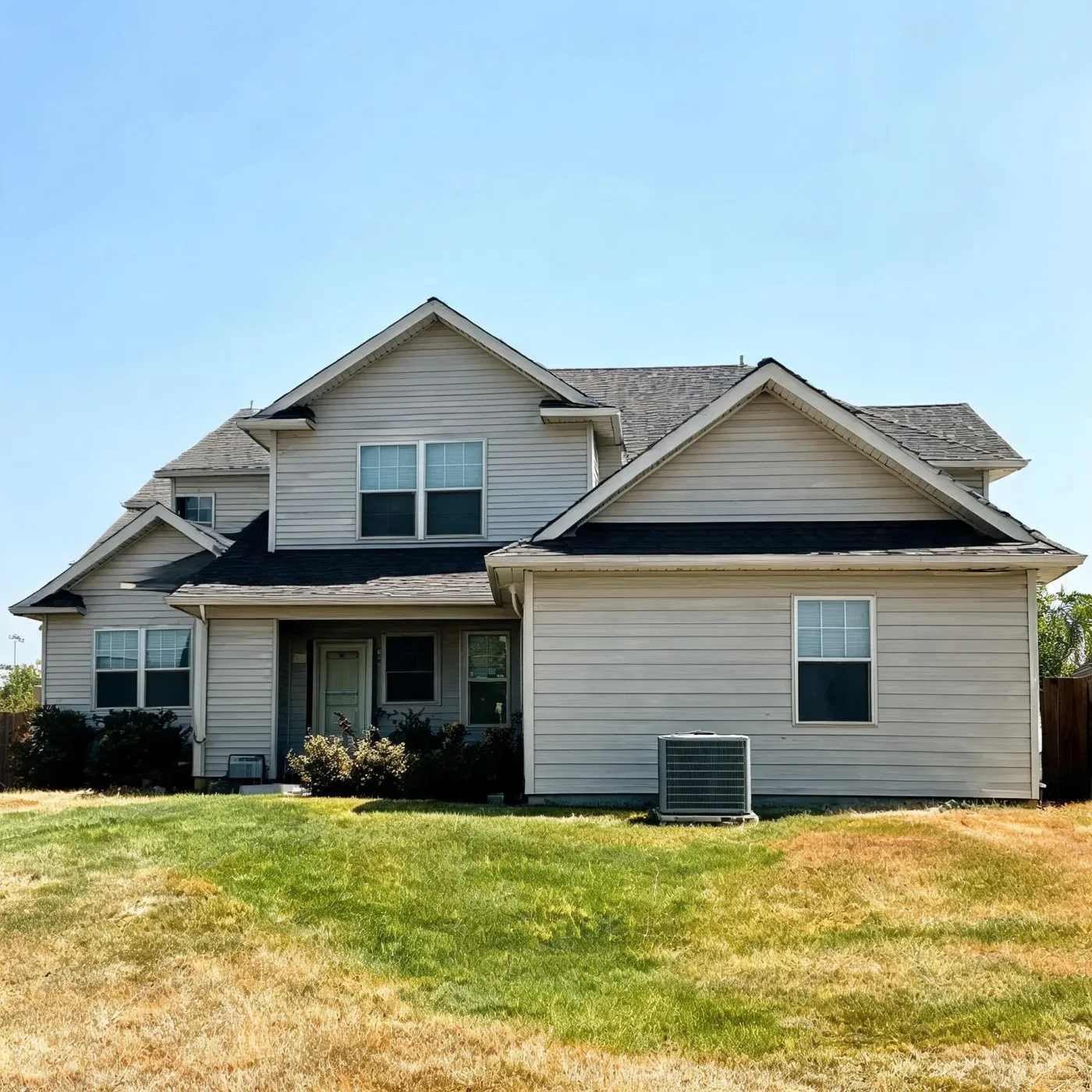
Summers in Wisconsin run humid, and the dew point averages 60°F across June, July and August, according to NOAA climate data. That's the number that tells you how heavy the air feels, not just how hot. A mini split doesn't just cool that air, it has to wring the moisture out of it too, and a dew point in the 60s keeps the compressor working through most of the afternoon and into the evening. You'll notice it in how long the unit runs to get the room feeling right, even when the thermostat says it hit the set point. A system sized and installed for that kind of humidity load handles it without straining. One that isn't will run longer and still leave the air feeling damp.
NASA POWER T2MDEW county cells weighted by homes
You set it to 70 and the room still feels like 65. The unit is running, you can hear the outdoor fan going, but the air coming out of the indoor head feels lukewarm instead of warm. Some households notice the compressor cycling more than usual, or the unit running straight through the night without the house catching up. If you've got a backup source of heat, you might not notice right away beyond a higher bill. If the mini split is the only heat in that room, a night in the single digits can mean waking up to a cold house, and in Wisconsin that's not a one-time thing. It happens again the next cold snap, and the one after that, until the unit or the setup gets looked at.
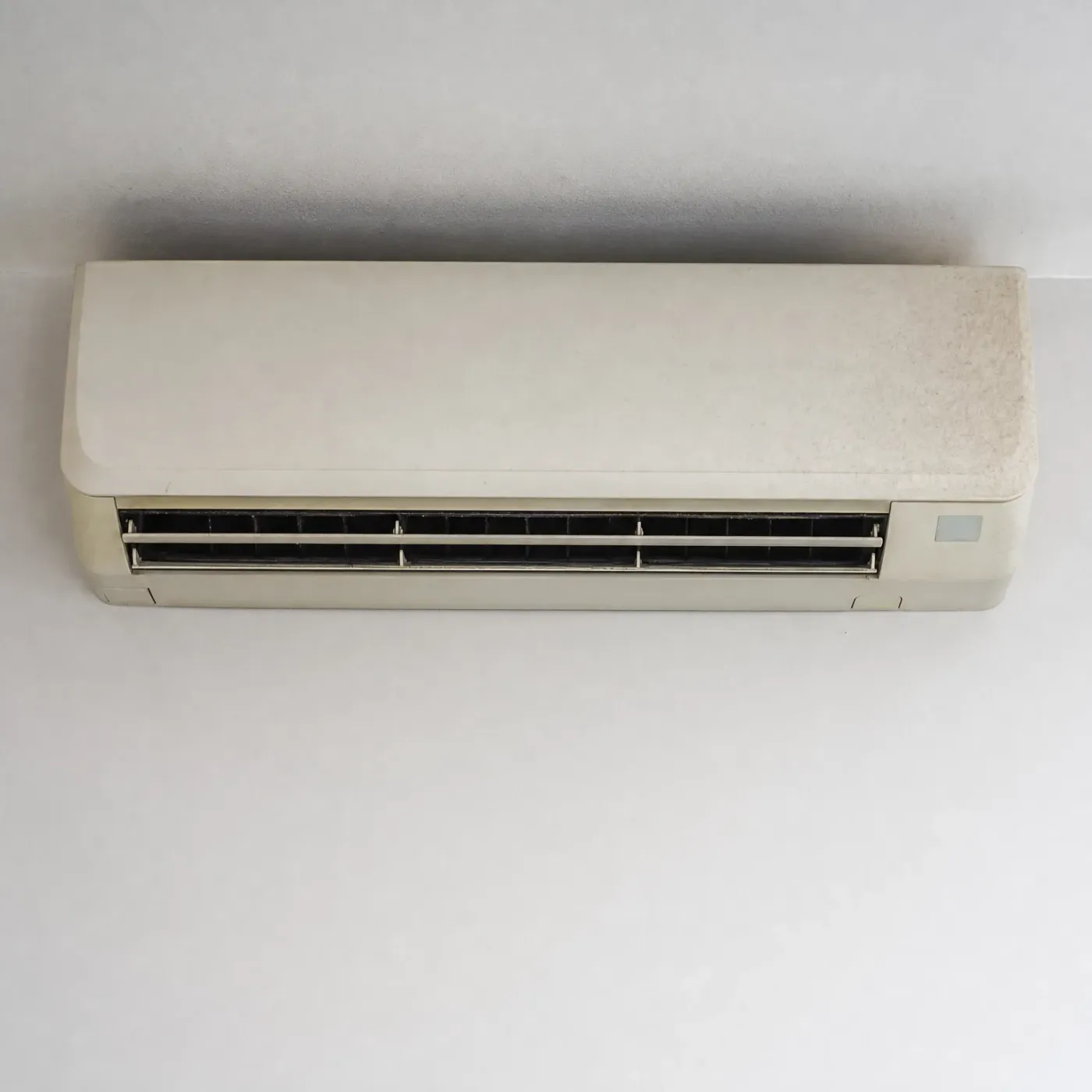
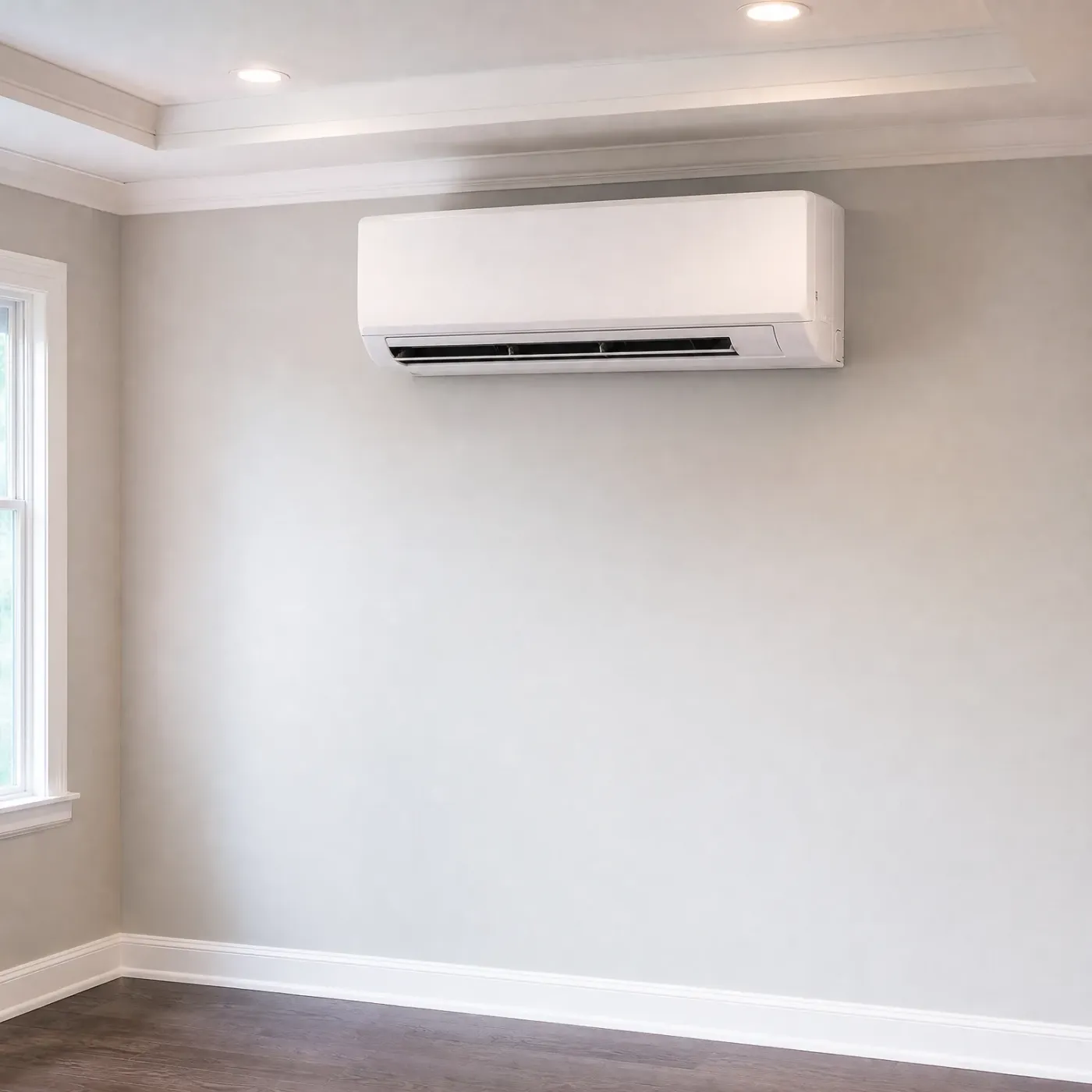
That's roughly where a cold-climate mini split's output finally tapers off. Most Wisconsin winters bottom out around there, which is why the compressor built for that range matters more than the price tag.
Gas heat in most Wisconsin homes can carry the house on the coldest nights a mini split can't reach. Sizing the two to work together is what a local installer figures out.
At 18.08 cents per kilowatt-hour, every hour your mini split spends straining in deep cold shows up on the bill fast. A cold-climate unit sized right keeps pulling real heat instead of just running the compressor harder for less warmth, so the electricity you're paying for actually heats the house.
EIA-861 2025 statewide residential average
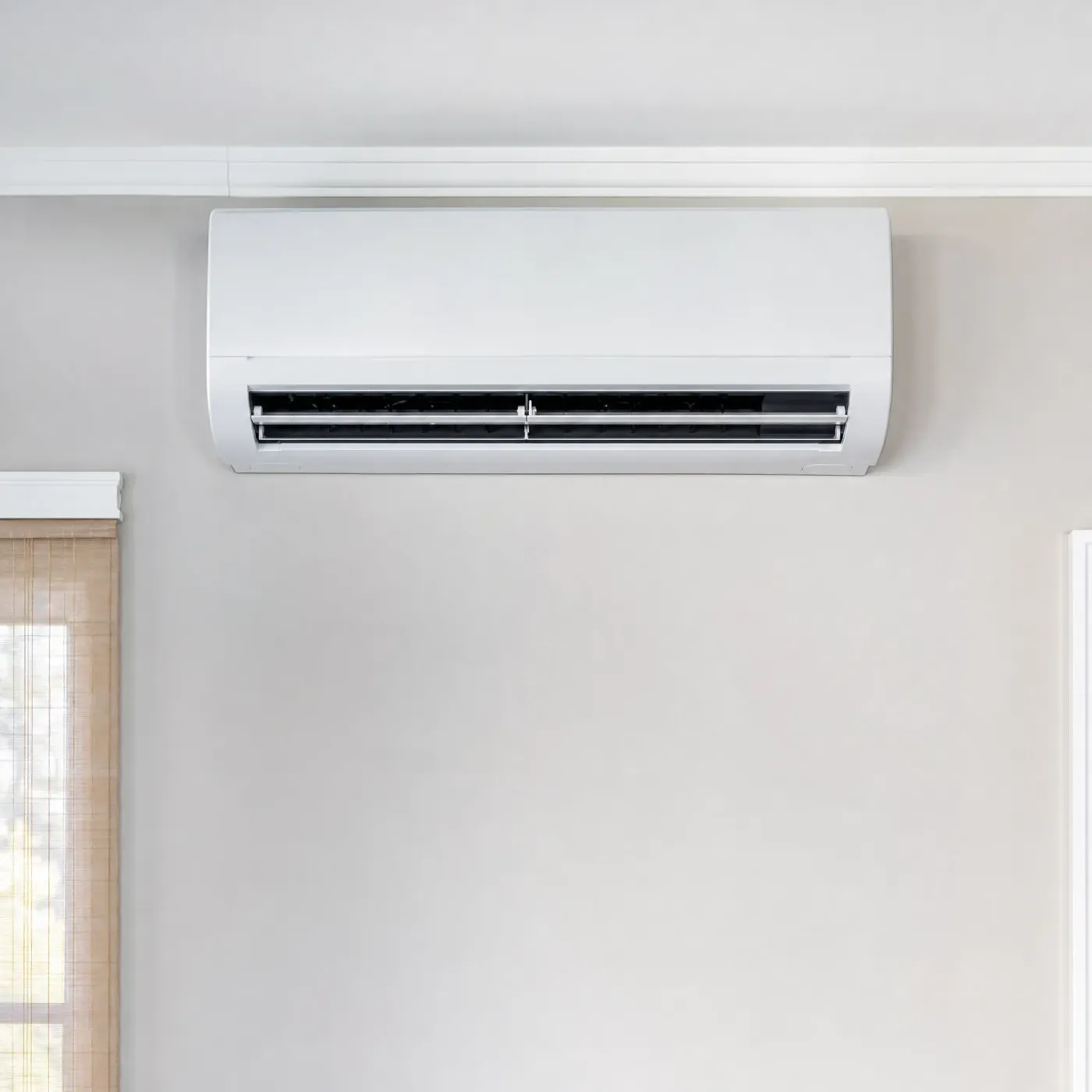
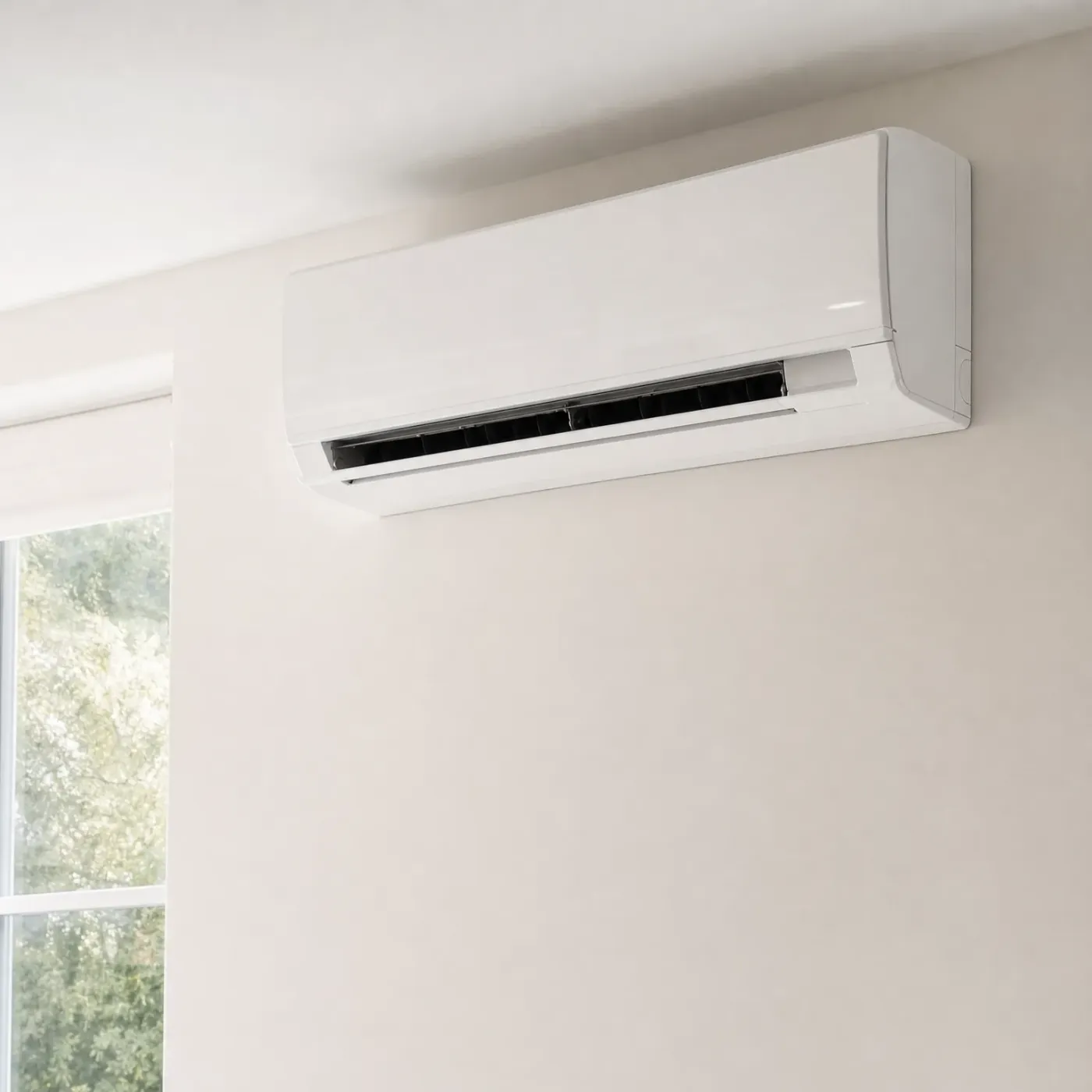
Air moves freely through the vents and the case stays clean. The unit pulls in cold air, pulls the heat out of it, and sends warm air into the room without the compressor working any harder than it has to.
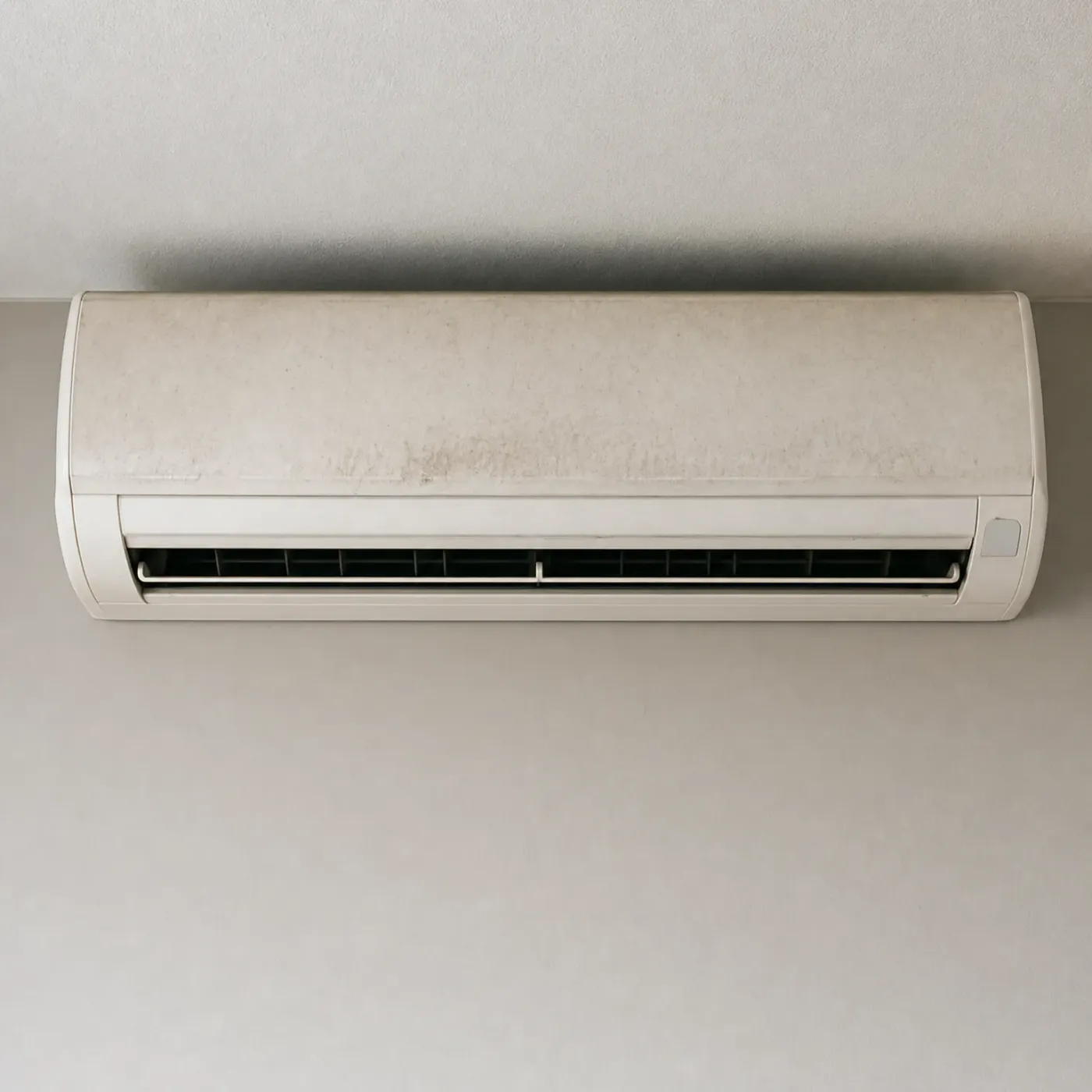
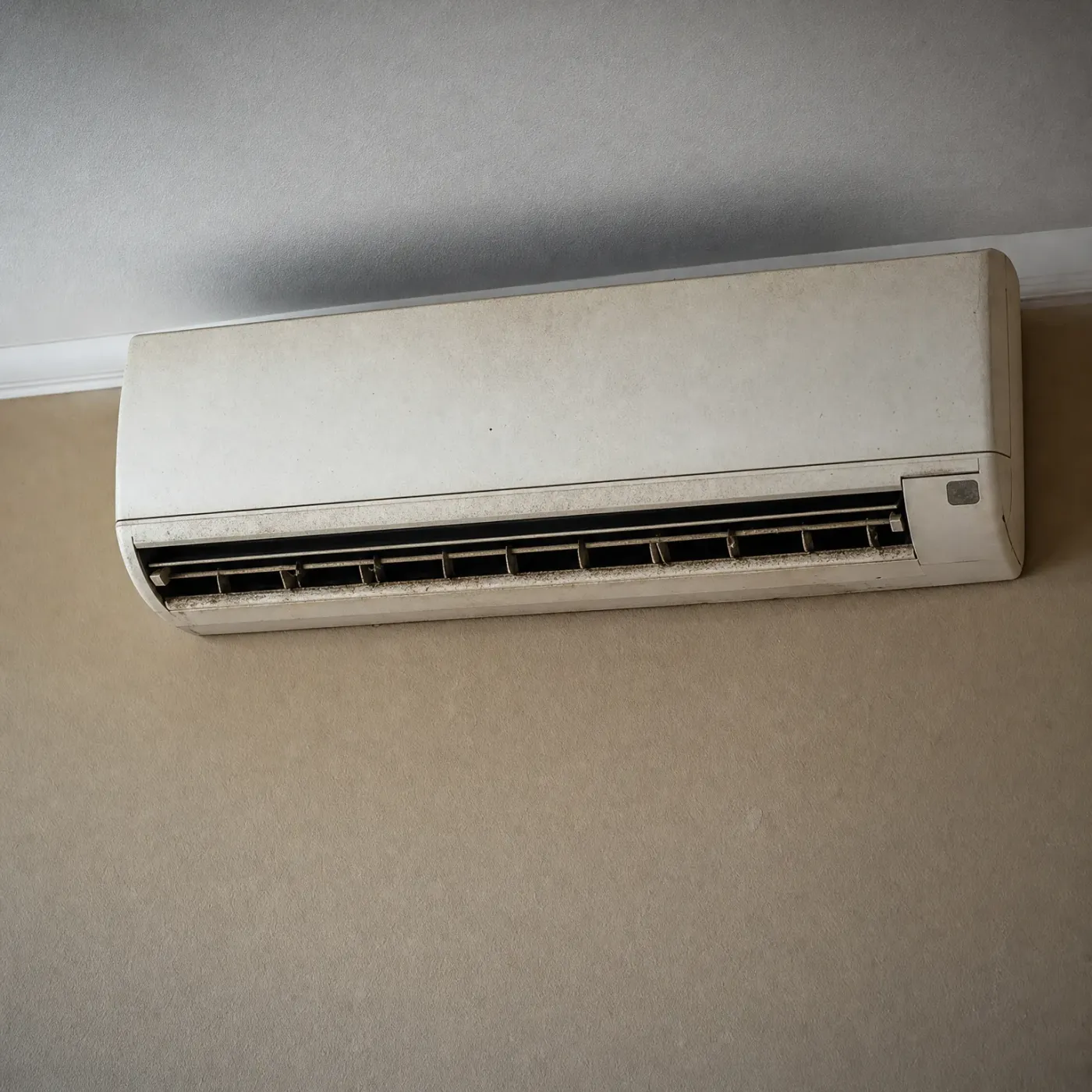
Dust has built up on the casing and the vents are doing less than they should. Add outdoor air in the single digits or below, and a unit already working harder just to breathe has less heat to give the room.
A standard mini split starts losing real heat somewhere in the teens, and a cold-climate model can keep working down near 5 below. That's the line that matters for your house this winter. If you already know which one is outside your window, you know what to expect from it on the coldest night. If you don't, that's worth settling before the temperature drops again, because the gas furnace backing it up can only do its job if the two are set up to work together. Wisconsin installers see this exact question every winter, not as a rare edge case but as the normal range their work has to cover. A local contractor who handles mini splits all season knows which models hold up here and which ones get asked to do more than they can, and you'll be matched with one installer, not a handful of companies competing for your callback.
Done looking for a mini split pro