





Profile view of a bearded man wearing a black baseball cap and a dark gray T-shirt against a plain light background.

Can a mini split heat a basement in a Wisconsin winter

Step 1 of 3: Equipment

A mini split can heat a basement in a Wisconsin winter, but most of them lose real capacity once the outdoor temperature drops into single digits or below zero, and that happens here most winters. The unit pulls heat from the outside air, and the colder that air gets, the less heat there is to pull. Older and lower-end units also have to run defrost cycles to clear ice off the outdoor coil, and during those cycles they stop heating altogether. A basement makes this harder in a different way: it starts colder than the rest of the house and holds that cold, so a unit sized for an upstairs room may fall behind down there once it's well below freezing outside. The ones that hold up are cold-climate models built to keep producing heat at low outdoor temperatures. If yours isn't one of those, or you're not sure, that's the thing to find out before the coldest stretch of winter gets here.

A woman with long gray hair wrapped in a checked blanket sits on a sofa by a window with yellow autumn foliage outside, with a lamp, framed picture and plant in the background.
An older woman in a cream knit sweater sits on a sofa by a window, looking out at sunlit trees with yellow and orange autumn leaves, with a bookshelf and lamp behind her.
A woman with gray shoulder-length hair in a dark knit sweater sits on a cushioned seat by a window, looking out at yellow autumn foliage, with a living room, armchair, houseplant and framed picture behind her.
An older woman with gray hair in a bun, wearing a cream knit sweater, sits on a sofa with a gray blanket and looks out a large window toward yellow-green autumn trees, with a lit table lamp and dark armchair behind her.

How Cold Climate Units Keep Up

  • A cold climate mini split uses a variable speed compressor that ramps up output as the outdoor temperature falls, instead of switching on and off at one fixed speed.
  • Below freezing, the outdoor unit goes through defrost cycles, briefly reversing to melt frost off its coil before switching back to heating.
  • During defrost the indoor head may blow cool air for a few minutes, which is normal and not a sign the system is failing.
  • Basements hold heat better than rooms above grade because the surrounding soil stays warmer than the winter air, so the mini split has less ground to make up there.
  • A unit sized and rated for low ambient heating will list a heating capacity at 5 degrees Fahrenheit, and that number tells you more than the capacity listed at 47 degrees.
  • Placement matters in a basement: the indoor head needs to throw air across the whole room, not just the corner nearest the stairs.

A standard mini split runs its compressor at one speed, on or off, which works fine down to maybe 20 degrees and struggles past that. A cold climate model uses a variable speed compressor instead. As the temperature outside drops, it spins faster and pulls more heat out of the air rather than just cycling longer. That's the difference that matters once a Wisconsin January sets in.

Once the outdoor coil gets near or below freezing, frost builds up on it, the same way frost builds on the inside of a freezer. The unit has to stop and clear that frost or it can't absorb heat anymore. So it runs a defrost cycle: it briefly reverses itself, runs like an air conditioner for a few minutes to warm the coil, melts the frost off, then switches back. During that stretch the indoor head blows air that feels cool, sometimes close to room temperature. That's the defrost cycle working, not the system failing.

A basement actually helps here. The ground around the foundation holds warmth longer than the outside air does, so the walls down there aren't losing heat as fast as a room upstairs with exterior walls on two or three sides. The unit has less distance to make up.

Where the indoor head sits still matters. Basements are often one open room with a stairwell in one corner, and a head mounted to blow toward the nearest wall will leave the far end cold no matter how much capacity the outdoor unit has.

A woman in a cream knit sweater sits in an armchair with her eyes closed and a slight smile, beside an open window showing orange autumn foliage, with a mug, books and a lit candle on a small side table.
An older man with gray hair and a beard leans back on a beige sofa with his eyes closed, in a sunlit room with potted plants, a wicker chair and large windows behind him.

Mini Split Alone or With Backup Heat

Mini Split Alone

  • A standard mini split is rated for a basement in October and November, before the deep cold sets in.
  • Once the outdoor temperature falls well below freezing, a standard unit's output drops and it may not keep pace on its own.
  • A cold climate mini split holds its rated output much further down, which matters for a Wisconsin January.
  • Even a cold climate unit still goes through defrost cycles, and during those minutes it isn't putting out heat.
  • A basement with a mini split as its only heat source depends on that one unit running correctly through the whole winter.
  • Sizing the unit to the basement's square footage and insulation matters more in single digit cold than it does in October.

Mini Split Plus Backup

  • Most homes here heat with gas, so a basement already fed by the ductwork has a backup source sitting idle.
  • On the coldest nights, the furnace or baseboard can carry the load while the mini split handles the milder stretches.
  • Running the mini split for most of the season and leaning on gas only on the worst days keeps electric use down, which matters with what power costs here.
  • A backup source means a defrost cycle or a service call doesn't leave the basement without heat.
  • Pairing the two means neither has to be sized for the absolute worst case Wisconsin can throw at it.
  • A contractor has to size and balance both sources together, which is more to plan than installing the mini split by itself.
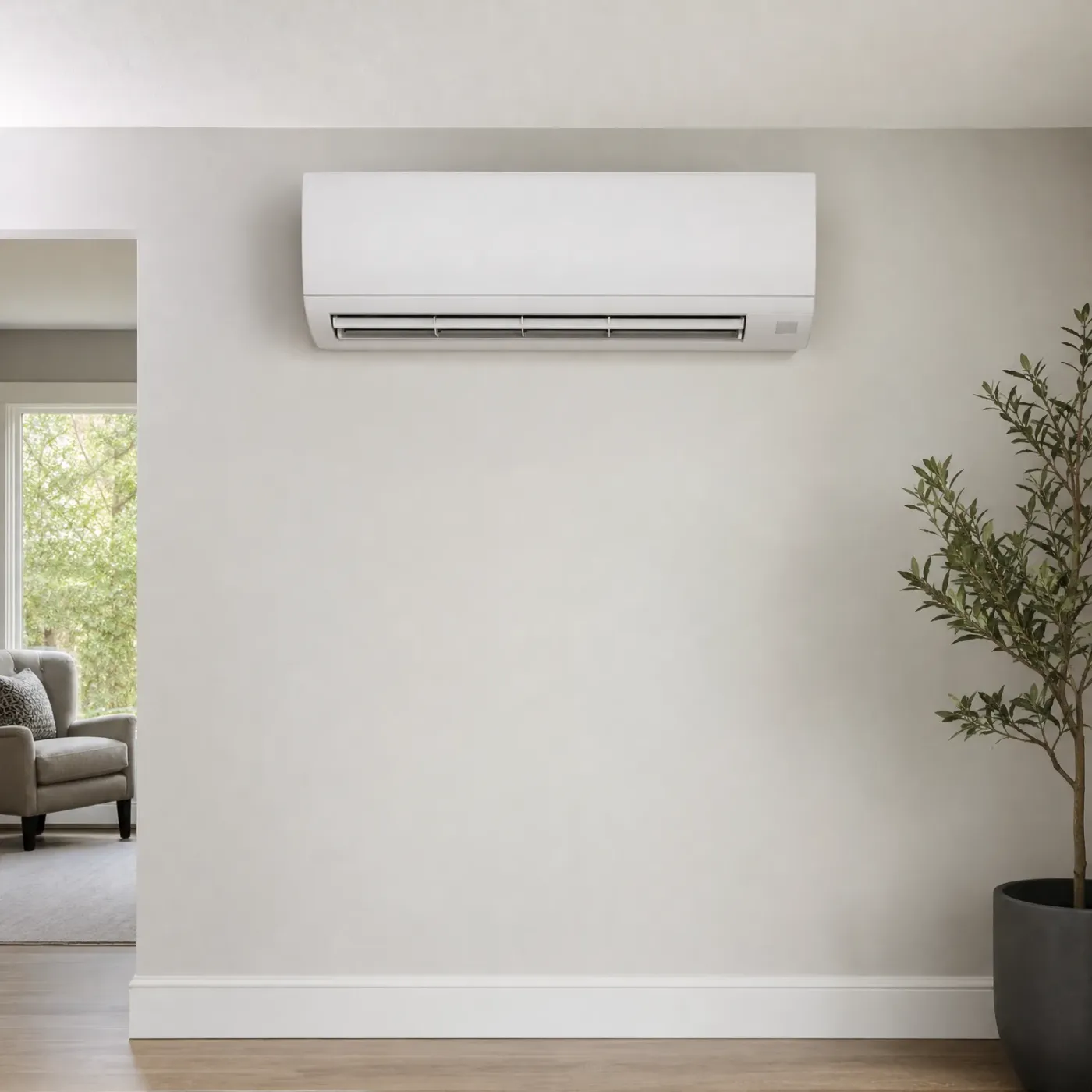
A white wall-mounted mini-split indoor unit high on a beige interior wall, with a potted olive-like tree at right and an armchair and window visible through a doorway at left.

Running clean in winter

A mini split that's sized right and rated for cold keeps the basement warm straight through a Wisconsin winter. The outdoor unit cycles through its defrost runs, the indoor head keeps pushing warm air, and the room holds its temperature even when it's well below zero outside.
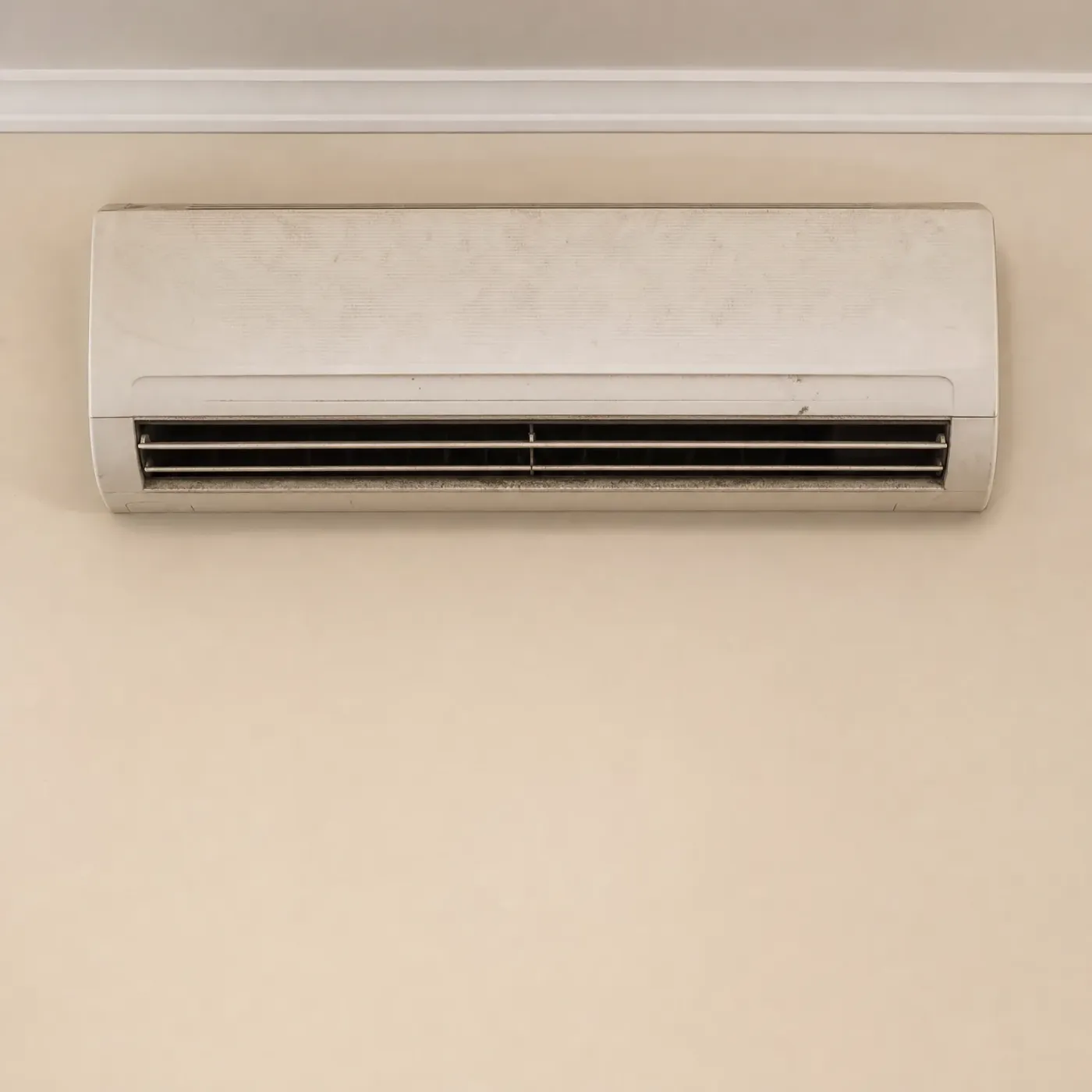

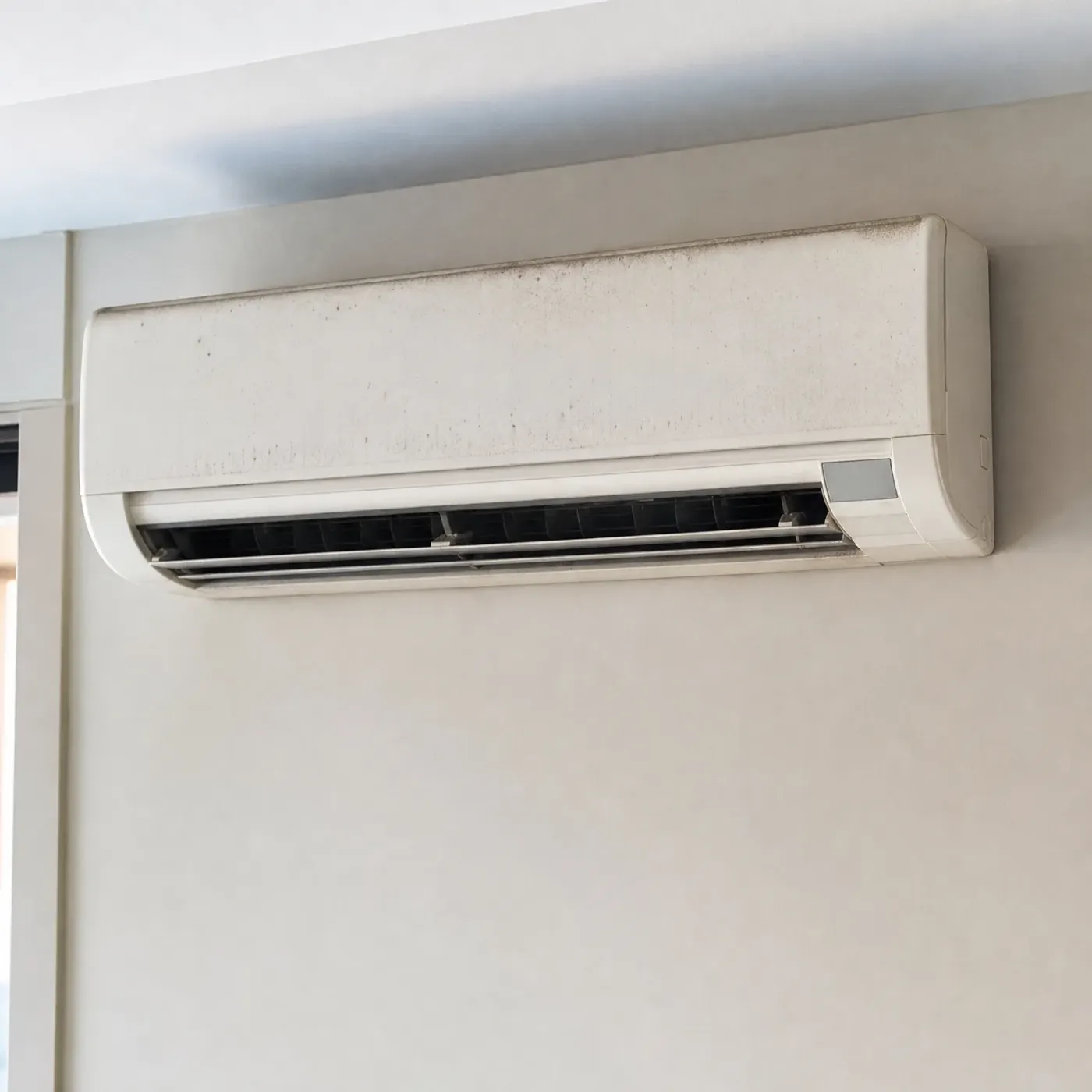
A wall-mounted mini-split air conditioner indoor unit with visible dust and staining, installed on a beige interior wall below white crown molding.

Neglected and struggling

A mini split caked in dust and grime like this one can't move the heat it's rated for. The vents are blocked, the coil underneath is coated, and the unit has to work harder for less warmth, right when the basement needs it most.

Power costs 18.08 cents per kilowatt-hour statewide

At 18.08 cents a kilowatt-hour, a basement mini split running hard through January costs more to operate per hour than most gas furnaces here. It's still worth running if the unit is sized and rated for the cold, but the electric rate is a real part of that math.

EIA-861 2025 statewide residential average

  1. The indoor head senses basement temperature and calls for heat.

  2. The outdoor compressor ramps up speed to match the load.

  3. Refrigerant carries heat from outside air into the indoor coil.

  4. Below freezing, the outdoor unit pauses to defrost its coil.

A dusty, stained white wall-mounted mini-split air conditioner indoor unit installed high on a plain off-white interior wall near the ceiling.
Before you get your mini split installation
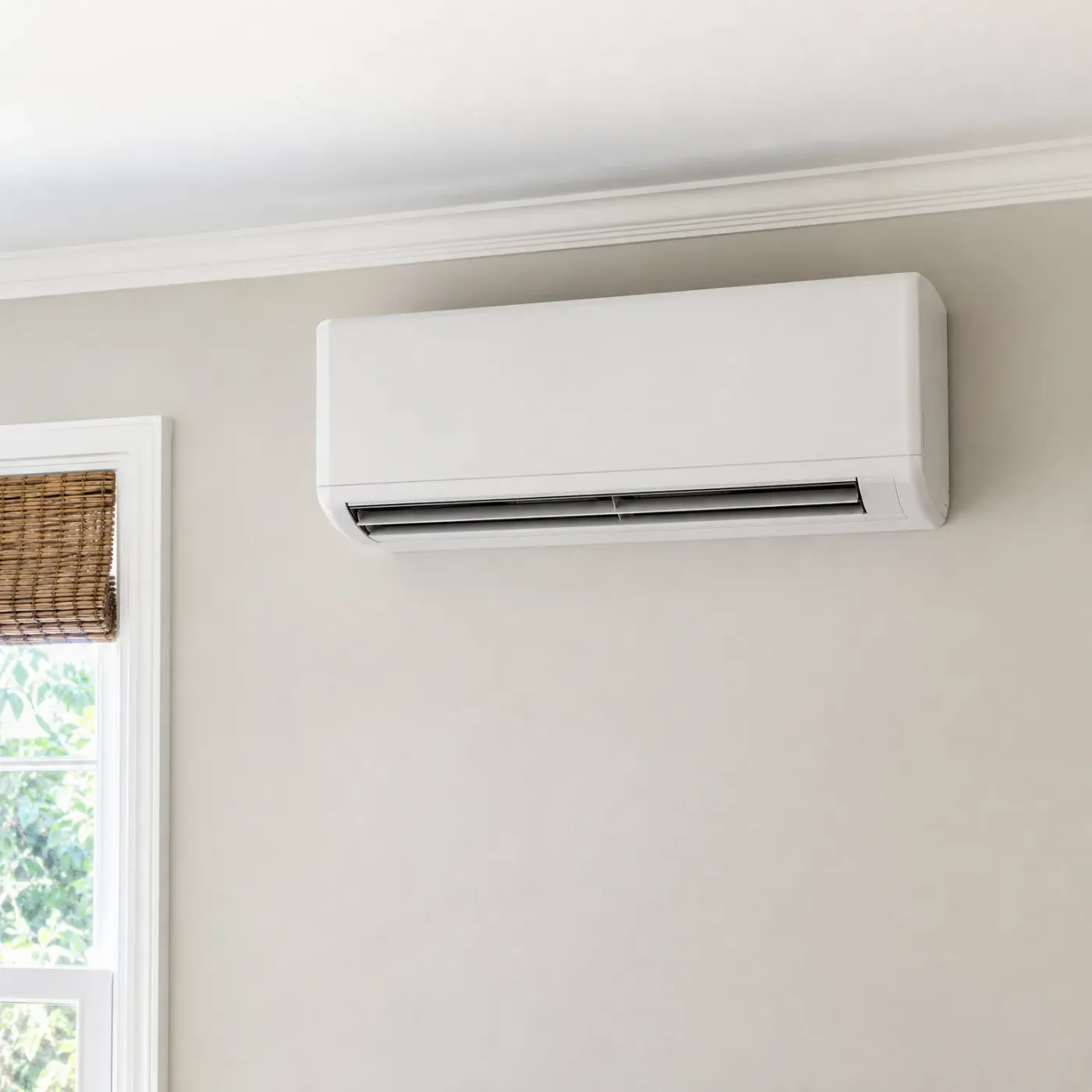
A white wall-mounted mini-split air conditioner unit installed high on a beige interior wall below white crown molding, with a window and woven shade at the left edge showing green foliage outside.
After you get your mini split installation
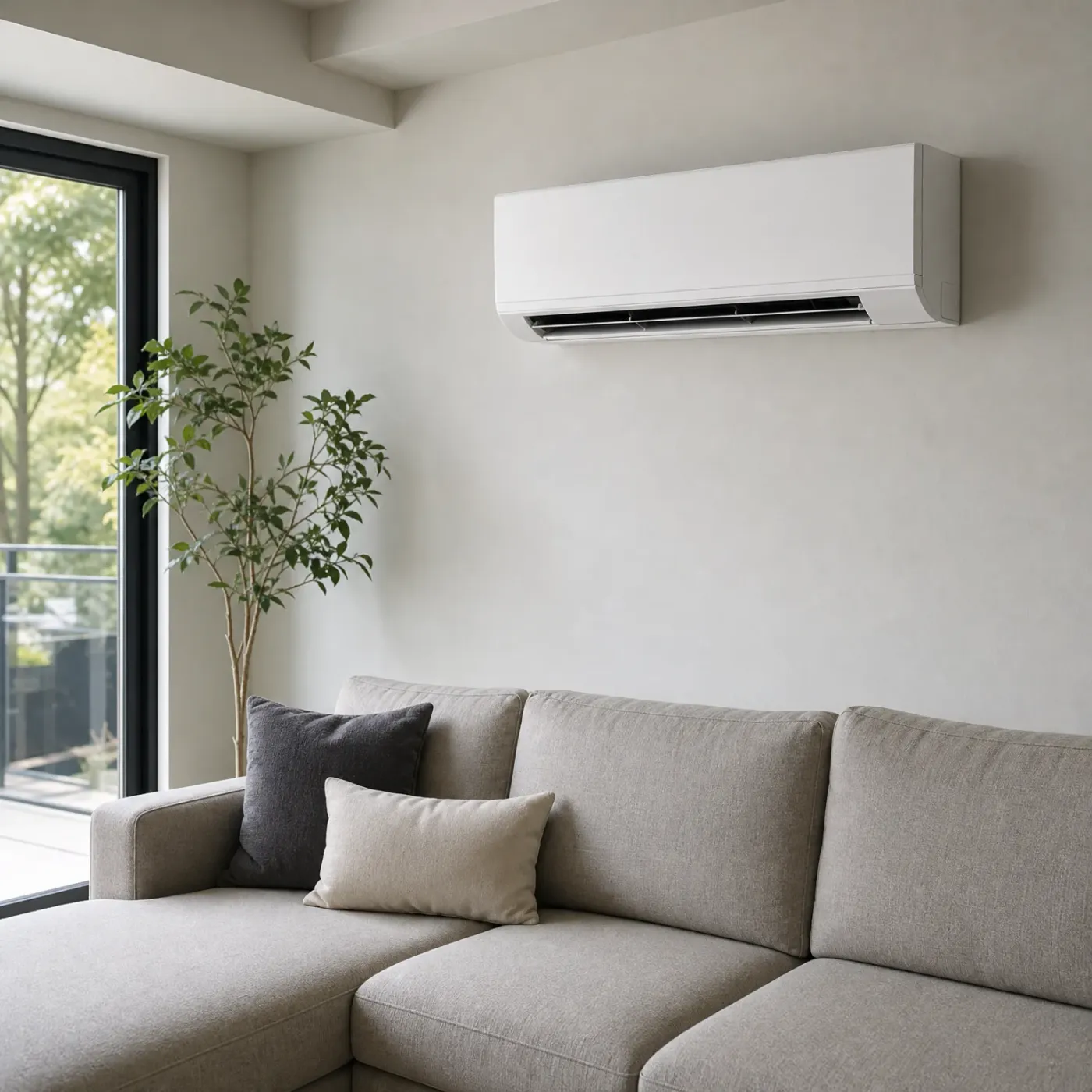
A white wall-mounted mini-split indoor unit on a pale interior wall above a gray sectional sofa with cushions, next to a potted leafy tree and a floor-to-ceiling window showing green trees outside.

A local pro for your mini split installation

Answer a few questions instead of calling shop after shop.

A local installer who puts in mini splits gets your project.

Find a mini split pro

Sending the form costs nothing.

Why does the basement feel cold even with the mini split running

You'll feel it first at the floor. The air near the ceiling where the head is mounted stays warm, but the concrete underfoot stays cold, and a basement with gas heat upstairs doesn't have ductwork down there to help even it out. On the coldest nights, you might hear the outdoor unit pause and go quiet for several minutes during a defrost cycle, then kick back on. If the unit was sized for a basement office in October, it's working harder than it should in January, and a basement that stays damp and under 60 degrees for stretches of the winter is one where mold gets a foothold and pipes run a real risk of freezing.

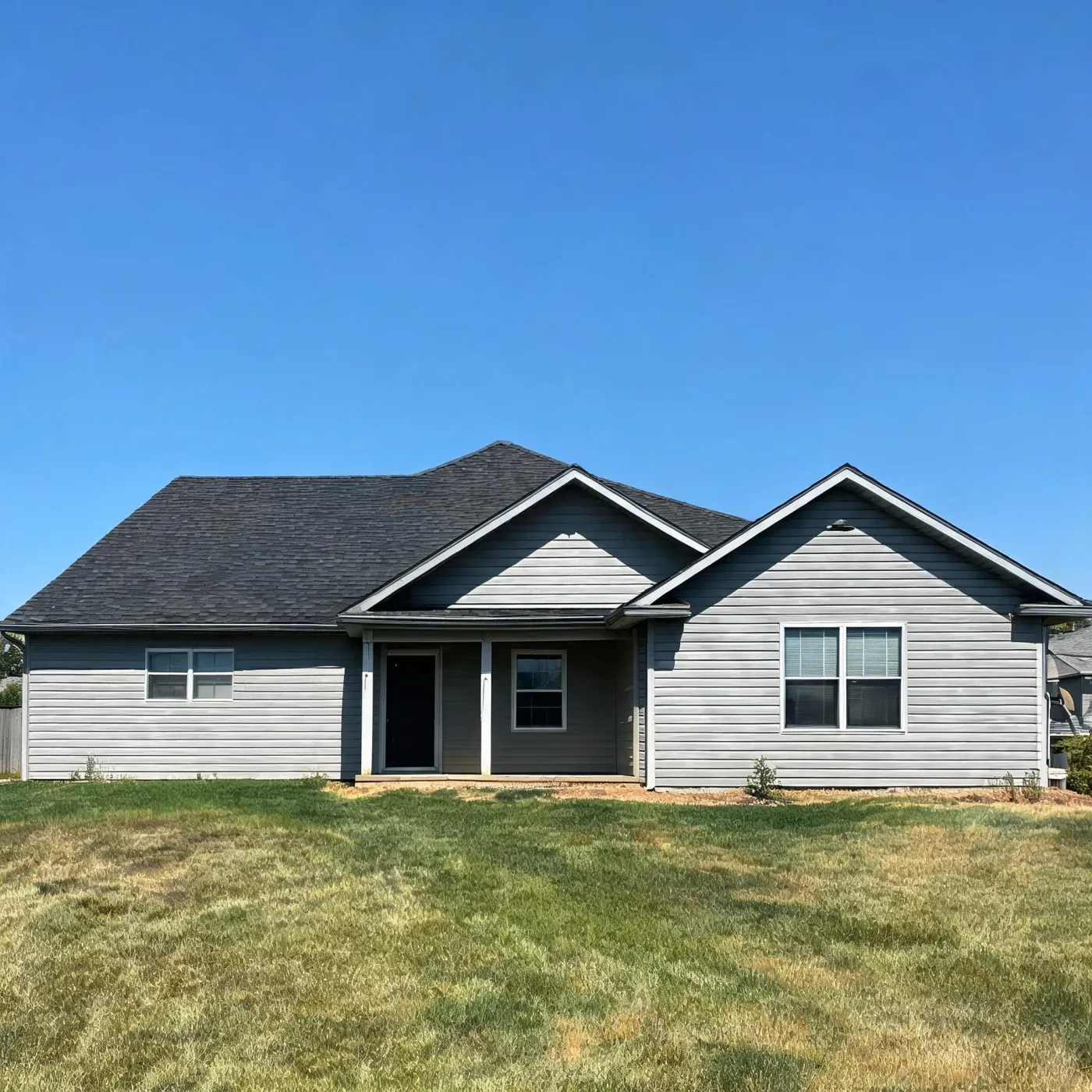
Single-story house with gray horizontal lap siding, dark shingled gable roof, a small covered front porch with a dark door, and windows, set behind a patchy green and brown lawn under a clear blue sky.

That dew point matters more in summer than winter, but it's worth knowing for the same mini split working your basement. Averaged across Wisconsin summers, the dew point runs 60°F, muggy enough that the indoor head spends real time pulling moisture out of the air, not just cooling it. That's a different job than the dry cold-weather heating load, and it's part of why sizing a mini split right matters both ways. A unit picked only for winter output can leave the basement feeling damp and clammy come July. Source: NOAA.

NASA POWER T2MDEW county cells weighted by homes

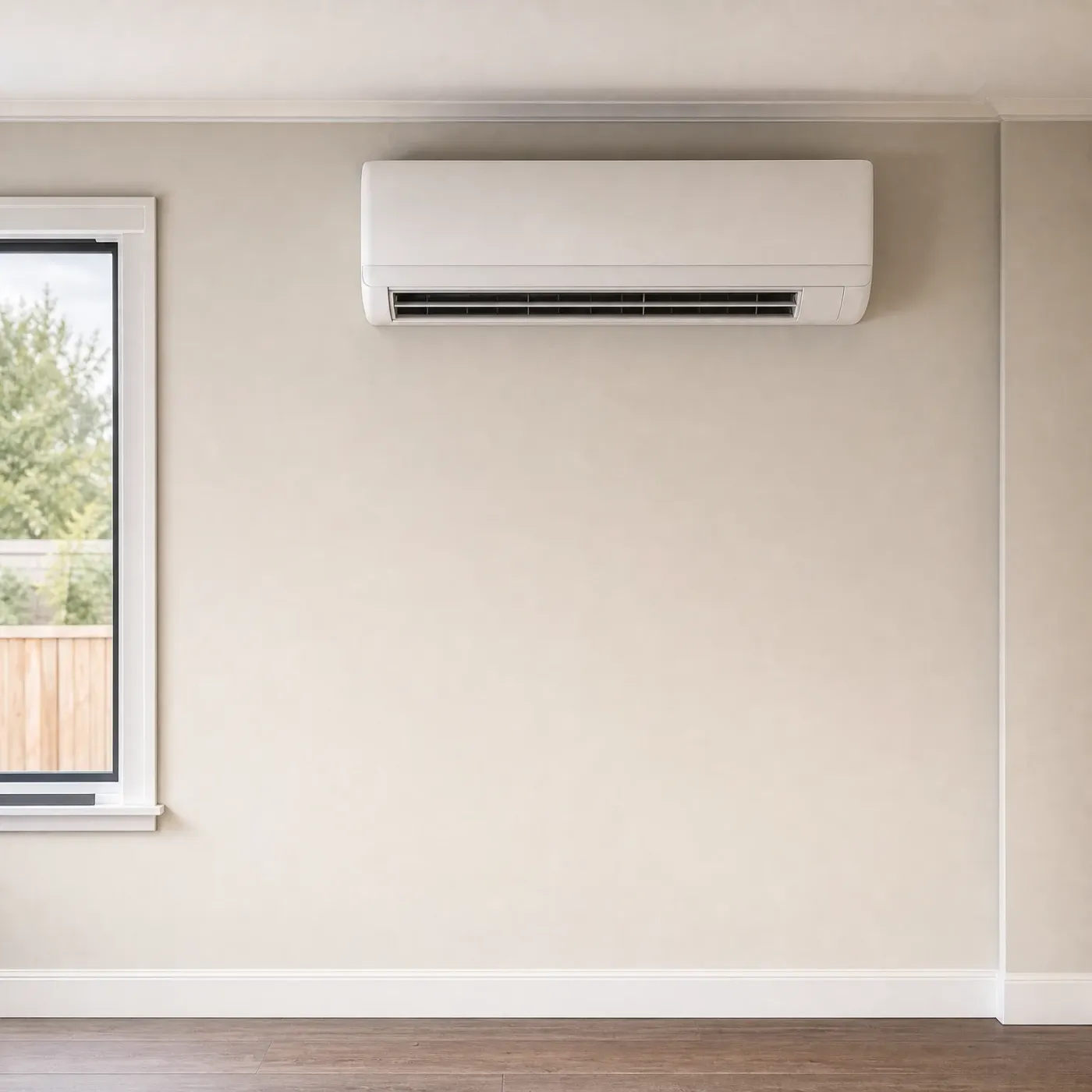
A white wall-mounted mini-split air conditioner on a beige interior wall, with a window at left showing trees and a wooden fence, and dark wood flooring below.
A mini split holding steady: the head keeps pushing warm air and the basement temperature stays put all winter.
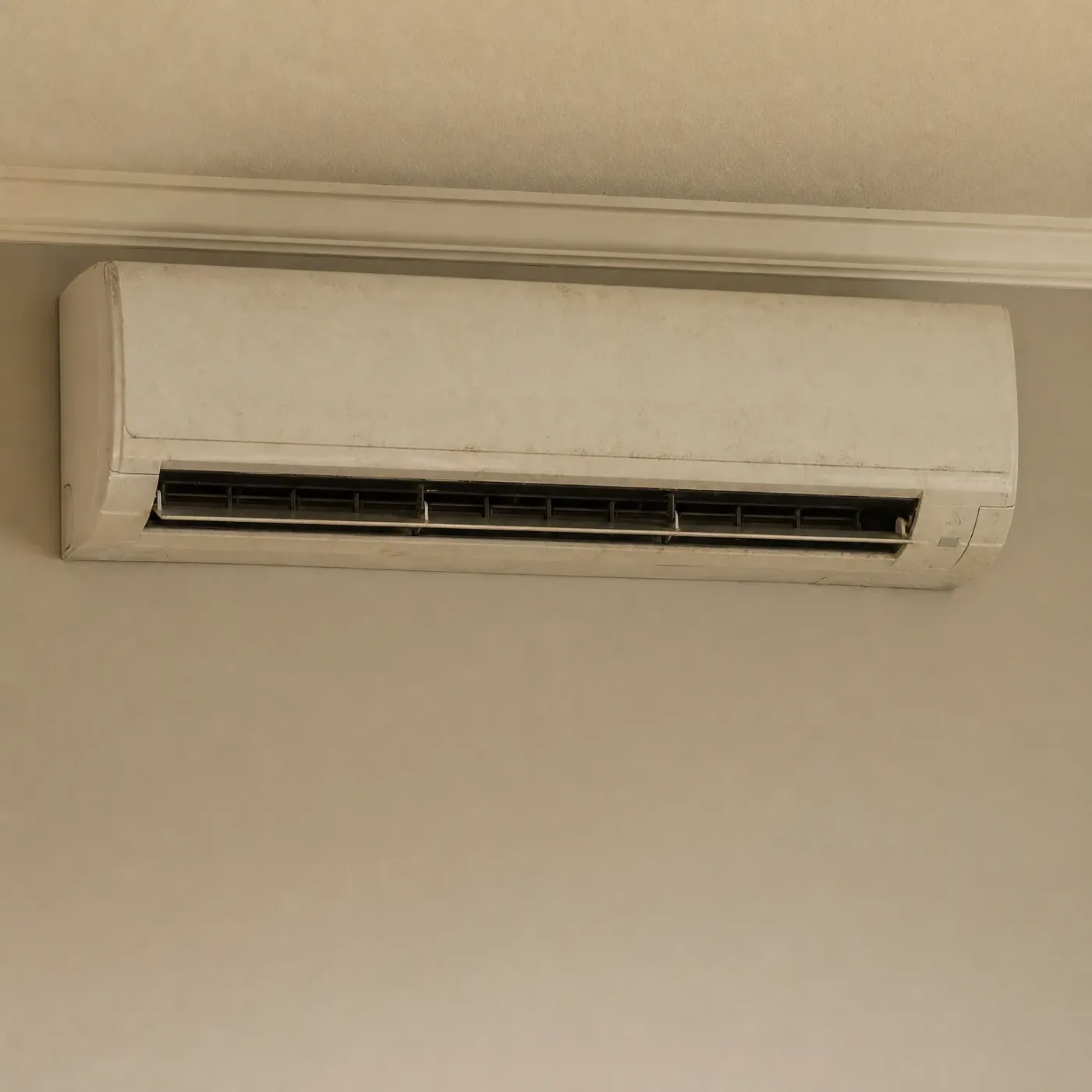
A white wall-mounted mini-split air conditioner indoor unit with dark louvered vents, installed near the ceiling on a beige wall below white crown molding.
A mini split losing ground: a unit left to run on its own through deep cold, falling behind as the room cools.

Does a mini split need a backup heat source for a Wisconsin basement?

Most basements here already have a furnace running the rest of the house, and you're wondering whether the mini split needs company down there too, or if it can carry the room on its own once January sets in.

A cold climate mini split can carry a basement alone; a standard one usually can't on the coldest nights

A standard mini split loses too much output once the temperature drops well below freezing, and it will fall behind without something else helping out, often the ductwork already heating the rest of the house. A cold climate unit is built for that drop. Its compressor keeps ramping up as the outdoor temperature falls instead of stalling out, and it's rated to keep producing heat at the temperatures Wisconsin sees most winters. If your basement only has the mini split and no other heat source, which unit you have decides whether you need a backup at all. Most homes here already have gas heat upstairs, which makes a basement backup less about survival and more about which rooms that furnace actually reaches.

A white wall-mounted mini-split air conditioner unit installed high on a plain beige wall near the ceiling, with empty wall space to the right.

Getting a quote the old way

You'd be the one calling around, explaining the basement setup to every contractor you reach, then doing it again for the next one. Some won't call back. Some will quote a unit without seeing the space. You end up comparing numbers that aren't measuring the same job, trying to guess which installer actually knows cold climate equipment and which one is guessing along with you.

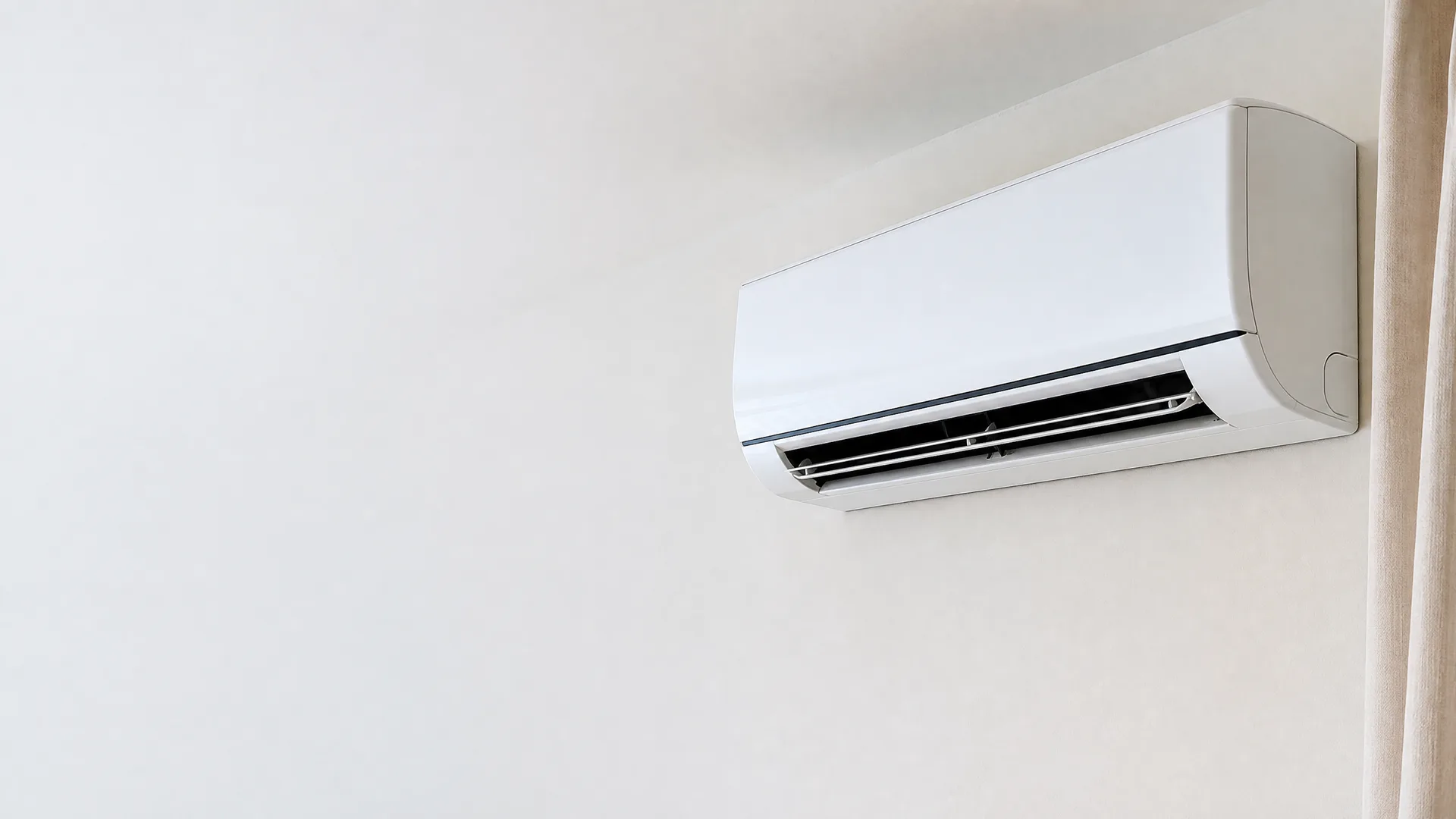
A white wall-mounted mini-split air conditioner indoor unit on a plain light-colored wall, with a beige curtain at the right edge of the frame.

Getting matched instead

You answer a few questions about your basement and your mini split, and a contractor who works on cold climate systems in Wisconsin homes reaches out to you. No calling around, no repeating the same explanation to three different people, no sorting through quotes that don't match up. You still decide who does the work. You just stop doing the legwork to find them.

A man seen from behind raises his hand to wave at a woman standing in the open front doorway of a single-story house with gray shingle siding, white columns and a gabled porch entry.

So can a mini split heat a Wisconsin basement

A mini split can carry a Wisconsin basement through winter if it's a cold climate unit sized for that room, and it can't if it's a standard model asked to do more than it's rated for once the temperature drops below zero. The difference isn't the brand or the price. It's whether the unit was matched to the space and the climate before it went in.

That's the part that's hard to judge from a listing or a sales flyer. A contractor who's installed these in basements like yours, in this state, through winters like the ones you've already had, knows what a given room needs and what a given unit can actually hold. Getting matched with someone who serves your area and your situation means you're not guessing at that match yourself, and you're not finding out it was wrong in January.

A gray upholstered sofa with a textured cushion sits beside a dark round side table holding a vase of green foliage, with a table lamp and sheer-curtained window behind.
Close view of a dark standing-seam metal roof with a stone chimney and metal flue cap, overlooking a wide river, trees, and flat farmland under a partly cloudy sky.

Get the right pro for your mini split

Get a local pro

You're not committing to anything by asking.

You've already read what it takes to get this right: the right unit, sized for the room, rated for the cold. Sending the request gets you matched with a contractor who can look at your basement and tell you straight whether your setup qualifies, without you calling around to find out.