Send one request and you're done looking
Can a mini split be your only heat in Wisconsin
Below zero, a mini split has to work harder, and most Wisconsin homes already have a gas furnace backing one up. So the real question is whether yours can carry the house alone or needs that furnace behind it. Skip the back and forth of finding someone who'll look at your setup and tell you straight. Send the form once and let a contractor sort it out.
Hand it offA mini split alone usually can't get a Wisconsin home through the whole winter. Cold climate models keep making heat down to around negative 13 to negative 20 degrees, but as the outdoor temperature drops, the unit has to work harder to pull heat from outside air, and its output falls off right when you need it most. On the coldest nights here, that can leave rooms running cooler than you'd like, or the unit running nearly nonstop to keep up. That's why most homes in this state pair a mini split with a gas furnace rather than relying on one alone. The mini split handles the mild stretches of fall and spring efficiently, and the furnace takes over once temperatures fall hard. If your home doesn't already have that backup furnace, that gap is worth knowing about before winter, not during it.
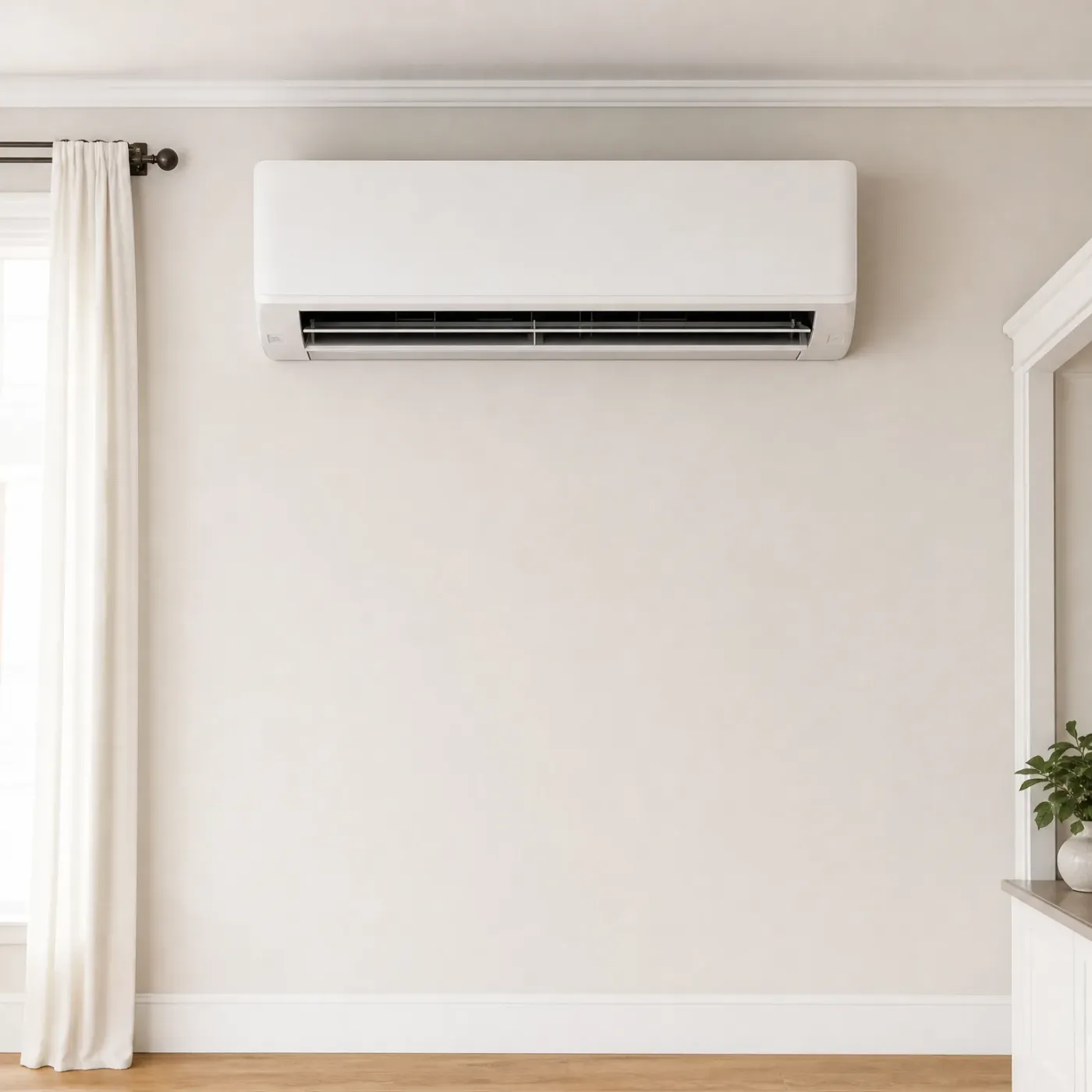
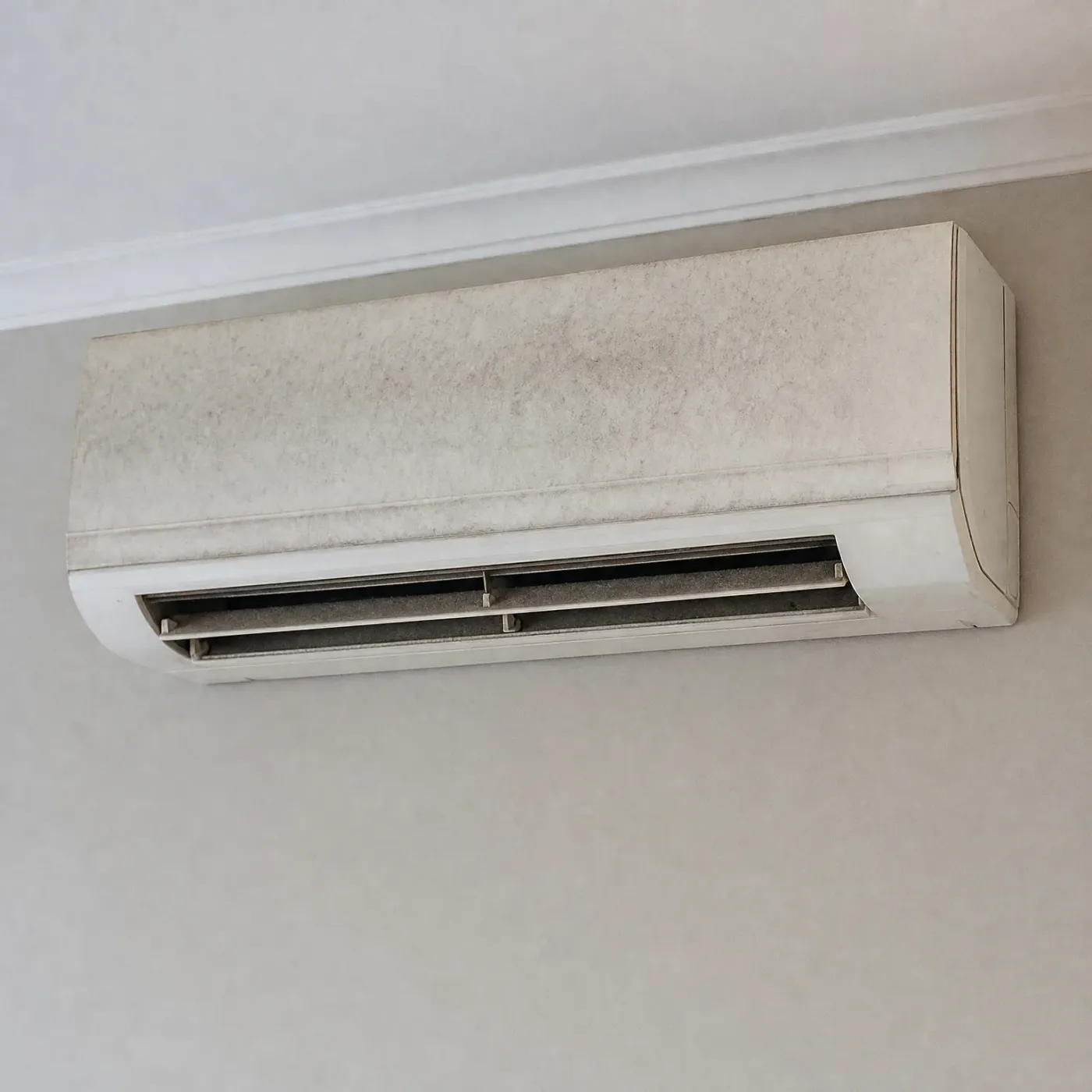
A mini split heats the same way it cools, just backwards. The compressor moves refrigerant and pulls heat out of the outside air, even when that air is cold, and pushes it inside. Once the temperature outside drops below freezing, frost collects on the outdoor coil. The unit has to stop and run a defrost cycle to clear it, which means a few minutes of cold air blowing inside before it switches back to heating. That's normal, not a sign something's wrong. Where the furnace comes in matters too. Most setups run both systems off one thermostat, and the furnace takes over once the outdoor temperature passes the point where the mini split can keep up. Inside, a single head heats its own room fastest. A bedroom down the hall or behind a closed door is going to lag behind, because that heat has to travel through the house to get there, not through ductwork built to carry it. And outside, the unit needs room to breathe. Snow piled against the base blocks airflow into the coil right when it needs that airflow most.
How a mini split actually heats
- A mini split moves heat with a compressor and refrigerant, the same way it cools, just running the cycle in reverse.
- Below freezing, frost builds on the outdoor coil, so the unit runs a defrost cycle that briefly reverses again and blows cold air inside for a few minutes.
- Most systems pair with a gas furnace through a shared thermostat that hands off heating duty once the outdoor temperature drops past the mini split's rated output.
- A single indoor head warms the room it's mounted in fastest, and rooms down a hallway or behind a closed door lag behind it.
- The outdoor unit needs clear space around the base so snow and ice don't block airflow into the coil.
- Oversizing a mini split for a Wisconsin winter means it short cycles in the shoulder months instead of running steady, longer stretches that actually dehumidify the air.




How a furnace backup actually runs
Most mini splits in Wisconsin get paired with a gas furnace through a system that switches between the two automatically. You set one thermostat and it picks whichever source makes sense for the temperature outside. On a 35 degree day the mini split carries the house on its own, since that's well within its range. Once the outdoor air drops low enough that the mini split's output falls off, the furnace takes over without you doing anything at the thermostat. You're not choosing a source every morning. The switch happens on its own, and gas carries the hours the mini split can't.
Why the pairing makes sense here
Gas is the fuel already running through most Wisconsin homes, and electricity here costs more per unit of heat than gas does. A mini split run as the only heat source on a January night would be pulling expensive electric heat through hours when its output is already reduced by the cold. Splitting the load the other way, mini split for the mild months and shoulder season, furnace for the deep cold, uses each system where it's cheaper to run. It also means neither system has to be sized to carry the whole house alone through the worst week of the year, which is the week that's hardest and most expensive to design for.


Finding a pro stops being your job

Skip collecting and comparing quotes for the new mini split.
There's no charge for the request.
A summer dew point averaging 60°F across June, July and August, per NOAA climate data, is the kind of sticky that makes your mini split work on two fronts at once. It's not just lowering the temperature, it's wringing water out of the air to get the room to feel dry. That's harder work than cooling alone, and it's why the unit runs longer on a muggy July evening than the thermostat number alone would suggest. If the filter's dirty or the unit's oversized for the room, you'll notice it first as a clammy feel in the house even once it hits your set temperature.
NASA POWER T2MDEW county cells weighted by homes
Why does your living room feel cooler than the thermostat says
On a single digit night, stand near the head of your mini split and the air coming off it feels cooler than it did in October. That's not a malfunction. The unit is pulling less heat per cycle as the outside temperature drops, and if nothing is picking up the slack, the room settles a few degrees under what the thermostat is asking for. You might notice the bedroom farthest from the indoor unit never quite catches up, or the system running almost nonstop without the house feeling warm. Left alone through a Wisconsin winter, that gap doesn't fix itself, and pipes in a cold section of the house are the real risk if the room they're in stays underheated for days at a time.
Running a mini split by itself
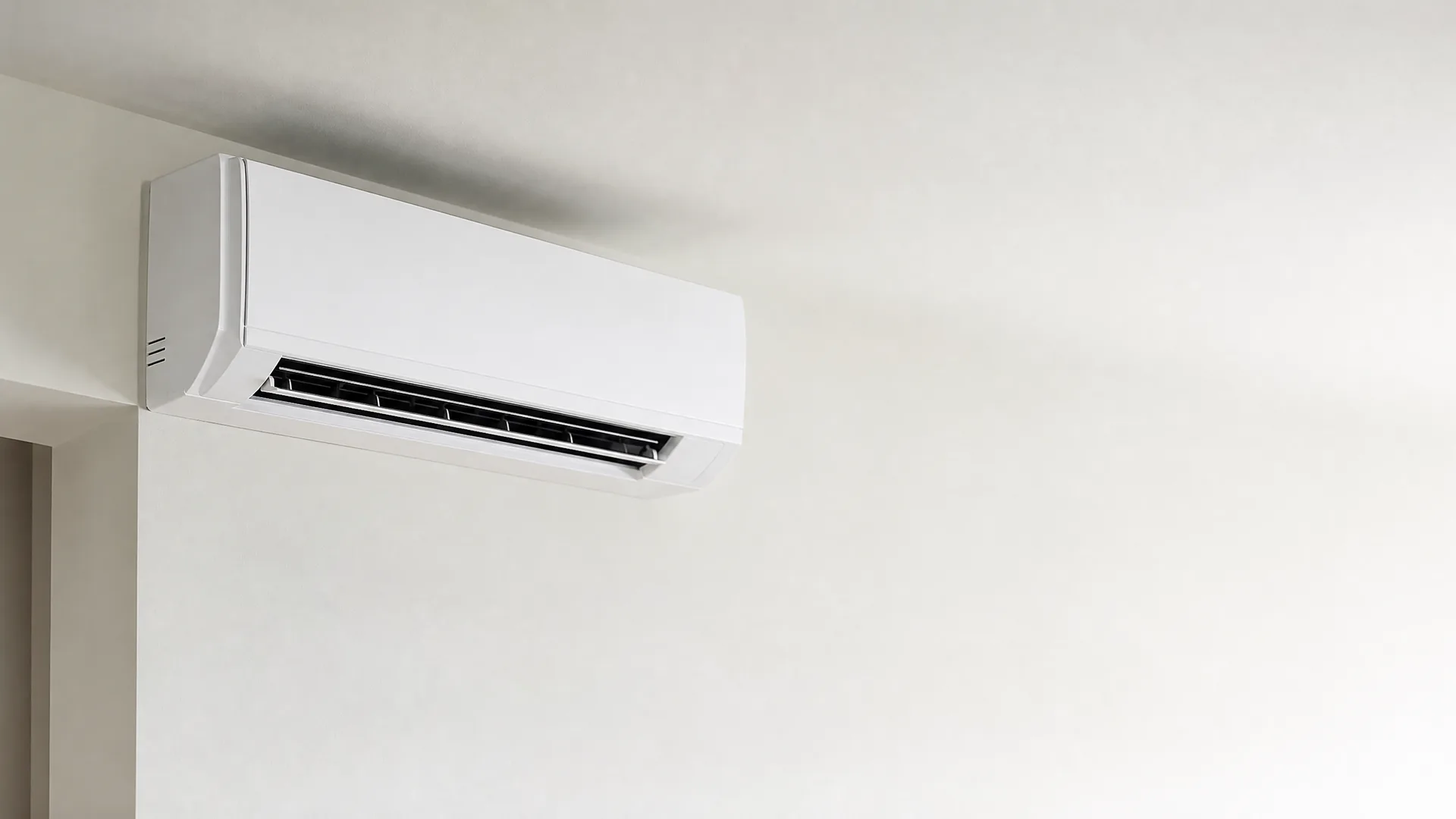
A mini split with no backup has to cover every hour below freezing on its own, and Wisconsin has plenty of those. It can still make heat on a cold night, but the colder it gets, the less it delivers per cycle, so it runs longer and pulls more power to hold the house at temperature. Electric rates here aren't cheap, and a unit working that hard shows up on the bill. If it's sized for the room and the coldest nights don't dip past its rated limit, it can carry the load. If not, the house will feel it before you do.
Running a mini split with a furnace
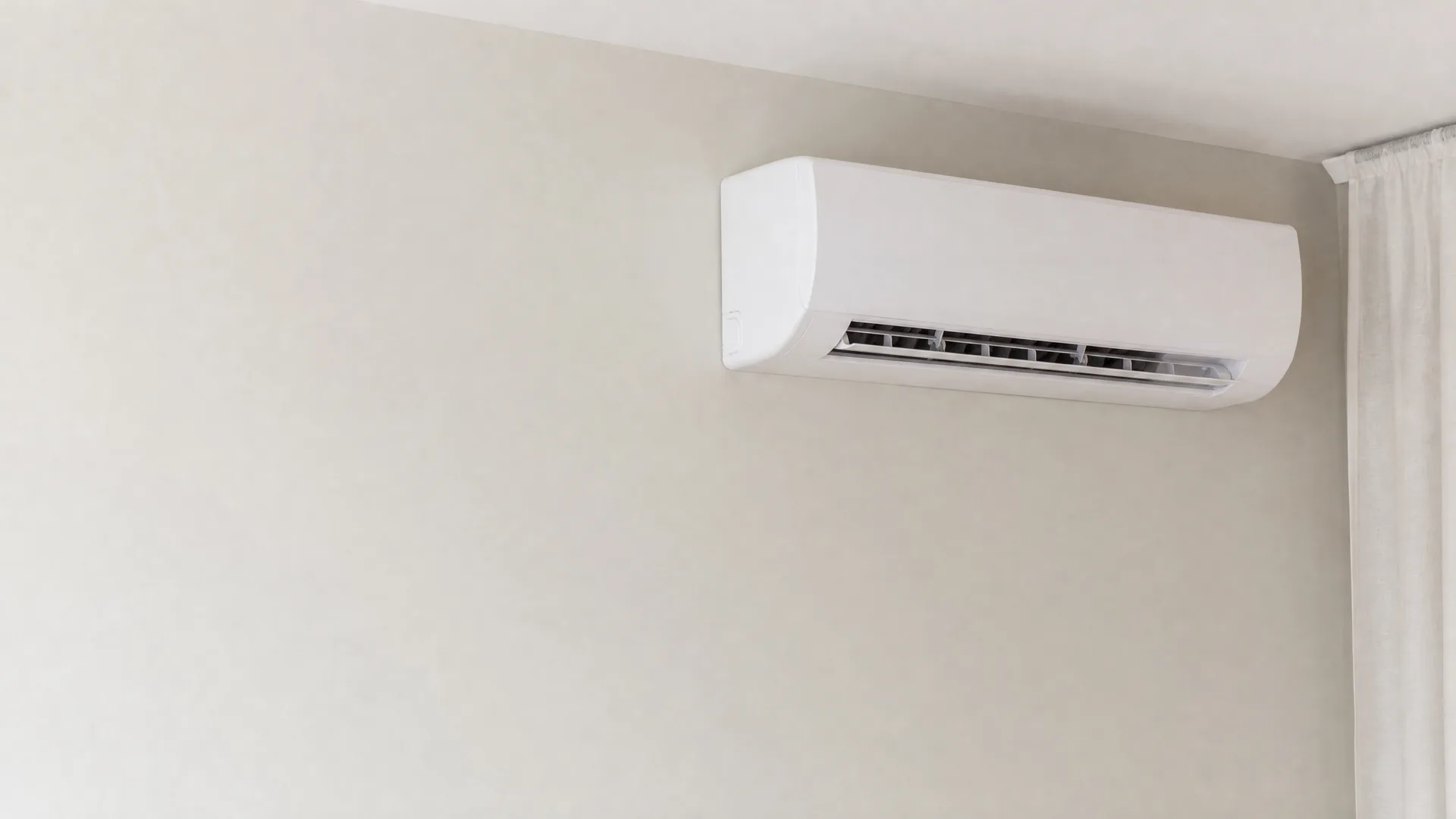
Pair the mini split with the gas furnace most Wisconsin homes already have, and the two split the work instead of one carrying all of it. The mini split handles the milder stretches of fall and spring efficiently, and the furnace takes over once it's too cold for the mini split to keep up. Neither one is straining to do a job it wasn't built for. Setting this up right, so the switch between them happens cleanly, is an installation question, and it's worth having someone look at your specific setup before winter instead of after.
Furnace backup or mini split alone
Mini split with furnace backup
- The system switches to the furnace once the outdoor temperature drops past the point where the mini split can keep up on its own.
- Gas heat costs less to run than the mini split once the compressor is leaning hard on its electric backup heat strips.
- You still get the mini split's output most days, since furnace backup only kicks in on the coldest stretches of the winter.
- One thermostat manages the handoff, so you aren't switching anything yourself in the middle of a cold snap.
- If the furnace already came with the house, pairing it with the mini split uses equipment that's already there instead of replacing it.
Mini split alone, no furnace
- Every hour below freezing is on the mini split, and Wisconsin has months of those hours, not just a few nights.
- Electric backup heat strips inside the unit pick up the slack on the coldest days, and those run on power, which costs more here than gas.
- There's no second system to maintain or pay to install, which matters if the house never had a furnace to begin with.
- Output per cycle drops as the temperature falls, so the coldest nights are exactly when the unit is working hardest for less heat.
- A mini split sized and installed for the whole house can still carry it alone, but it has to be sized for Wisconsin's cold, not for a mild day.

The thermostat calls for heat and checks the outdoor temperature first.
Above the switchover point, the mini split's compressor runs and heats the room.
Below the switchover point, the system hands the call to the gas furnace.
The furnace fires and carries the house until the temperature climbs back up.
Power costs 18.08 cents per kilowatt-hour statewide
At 18.08 cents per kilowatt-hour, every hour your mini split leans on its compressor instead of the furnace shows up on the bill. That's why the switchover point matters: it decides how much of your heat comes from electric and how much comes from gas.
EIA-861 2025 statewide residential average
Where this leaves you
- A mini split alone can't be trusted to carry a Wisconsin home through the whole winter.
- Cold climate models still make heat well below zero, but less of it per cycle as the temperature drops.
- Most Wisconsin homes already have a gas furnace, and pairing it with the mini split through a switchover setup covers the gap.
- The switchover point decides how much of the winter runs on electric and how much runs on gas, which is what keeps the bill in check.
- A clean filter and a coil free of dust and ice matter most on the nights the mini split is asked to do the most work.
- Getting a system sized and installed right for this climate is the difference between a mini split that struggles in January and one that doesn't have to.
A mini split on its own isn't a winter plan in Wisconsin. It will still make heat on a cold night, but it makes less of it per cycle the colder things get, and a single digit stretch will ask more of it than it can give alone. Pairing it with the gas furnace already in most homes here is what gets a house through January without the compressor straining on every degree below freezing. The switchover point is the setting that actually matters: it decides how many hours run on electric and how many run on gas, and that split is what shows up on the bill at 18.08 cents a kilowatt-hour. None of that fixes itself. A unit sized wrong for the space, or a switchover point set wrong for the house, leaves either the mini split overworked or the furnace carrying more than it should. Getting that right takes someone who installs these systems for homes like yours, not a guess.
That's the part that takes the time most people don't have. Finding a contractor who knows cold climate mini splits, calling two or three, explaining the same setup over and over, then sitting with quotes that don't line up because nobody measured the same thing. Sending the form here skips that. You explain the house once, and the matching happens without you running the search yourself.
Let someone else find the pro