

Single digits
Once outdoor temperatures drop into the single digits, most mini splits lean on backup heat strips to keep up. Servicing before then keeps the compressor doing more of that work.

Most homes in Wisconsin heat with gas, but a mini split handling part of the house, a bonus room, a garage, an addition, still has to earn its keep once the temperature drops below zero. Setting it too high wastes power, which costs plenty here. Setting it wrong can also mean the unit runs constantly without ever catching up on the coldest nights.
A mini split works best left alone at a steady temperature, not pushed up and down through the day. Between 68 and 70 degrees gives most units a target they can actually hold without the compressor straining to catch up after a setback. Below freezing outside, a mini split has to work harder for every degree, and constant cycling from a lower nighttime setting back up in the morning asks more of the system than holding steady does. If the room still feels cold at that setting once outdoor temperatures drop into the single digits or below, that is usually the system reaching its limit in weather this cold, not a sign to push the thermostat higher.
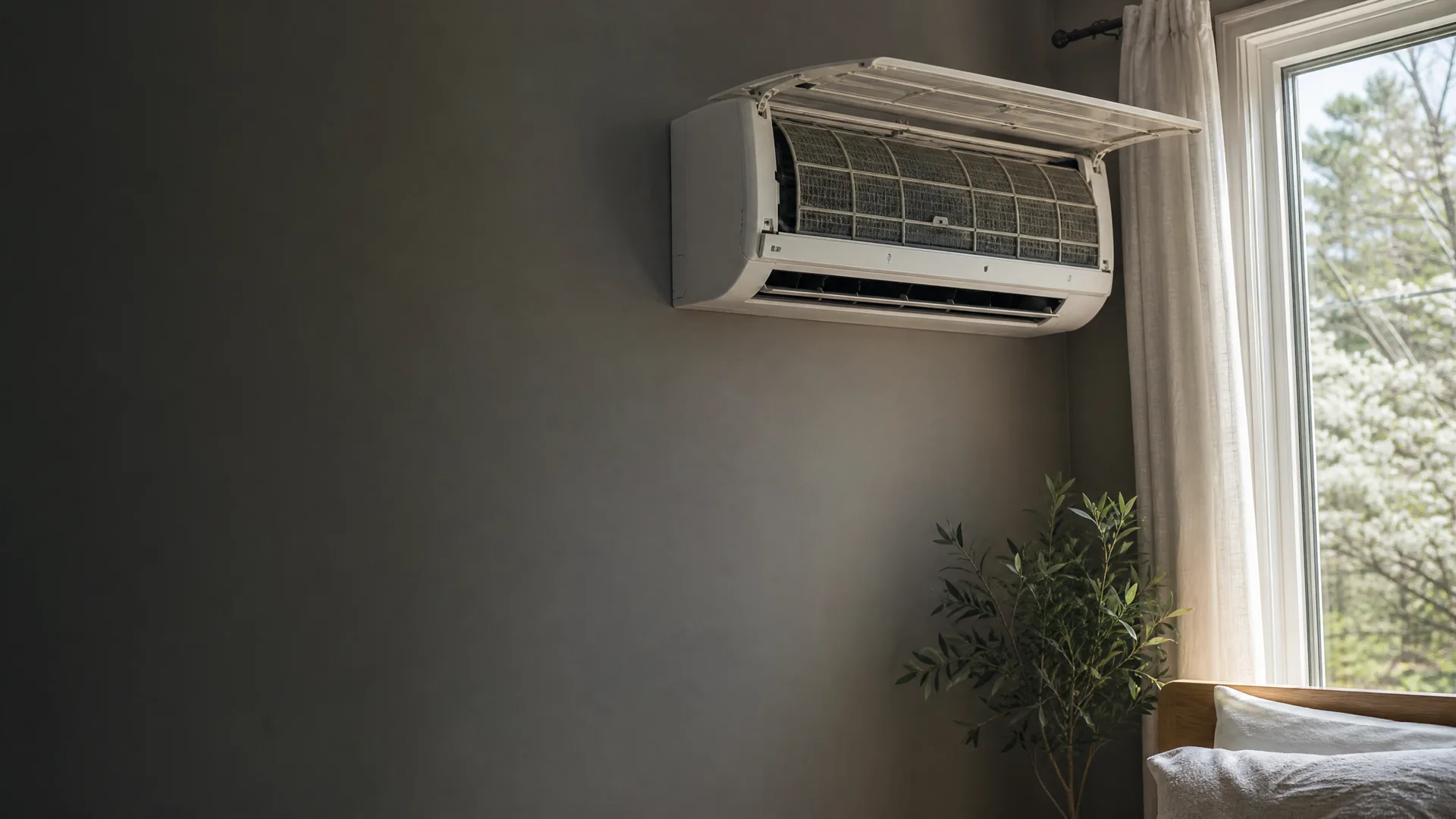
Spring light comes through the bedroom window, warm enough now that the mini split has been quiet most mornings. You finally get around to pulling the cover up to look at the filter before summer. It's grey with dust, more than you expected, the mesh almost solid in a couple of spots. All winter it ran steady against the Wisconsin cold, pulling that room's air through screens you hadn't checked since fall. You wipe a thumb across the grille and it comes away dark. Nothing wrong with the unit, nothing making noise, but you can feel it should have been looked at months ago, before the season asked that much of it.

A mini split pulls heat from outside air, even cold air, by running refrigerant through the outdoor coil. Below a certain outdoor temperature, usually somewhere in the single digits, the outdoor coil can't pull enough heat to keep up, and the indoor unit leans on an electric heat strip to make up the difference. That strip draws a lot more power than the compressor does on its own. Set the thermostat too high and you're not just asking the compressor to work harder, you're asking it to call on the heat strip more often, and Wisconsin winters give it plenty of chances to do that.
A tech who services mini splits all winter in this climate knows which models hold their efficiency down into single digits and which ones give up early and lean hard on the strip. Finding that out on your own means calling a few companies, describing your unit and your situation more than once, then weighing quotes that don't quite compare. A local contractor who already knows this equipment can tell you where your unit's real cutoff is and set it there, in one visit instead of several calls.





Your request goes to one pro, not a list of companies.
No charge to send it. You decide if you hire them.
A mini split left alone to hold one temperature runs its compressor at a steady, low speed. That's the cheapest way to run it. Every time you push the setting up a few degrees to warm the room faster, the compressor ramps up hard, pulls more power, and still takes time to catch up, because the thermostat number is a target for the system to reach, not a dial that speeds up how fast heat comes out. Set it once for the room and leave it.
Cold weather adds a second job. Below a certain outdoor temperature, frost builds on the outdoor coil faster than it can shed on its own, so the unit runs a defrost cycle: the compressor briefly reverses, sending warm refrigerant out to the coil instead of in, and you'll see steam or light vapor coming off the outdoor unit while that happens. Indoors, the fan slows or shuts off for those few minutes so you don't feel a blast of cold air while the coil is doing that work. None of that is a malfunction. It's the system clearing ice so it keeps pulling heat from outside air.
A dirty outdoor coil throws that cycle off. Restricted airflow means ice forms faster than it should, so defrost runs more often than it needs to, and the unit spends more of its time working against itself instead of heating the room.
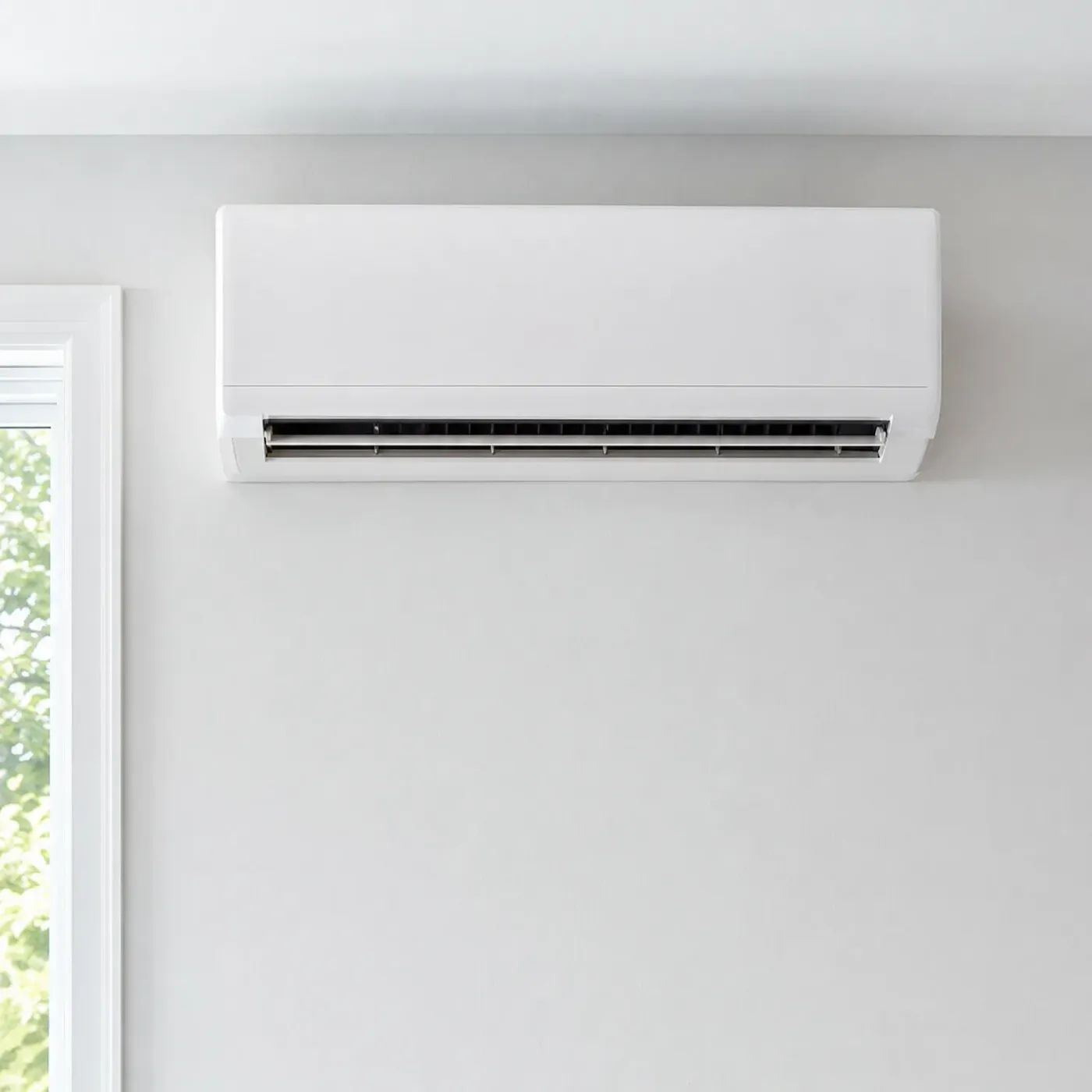
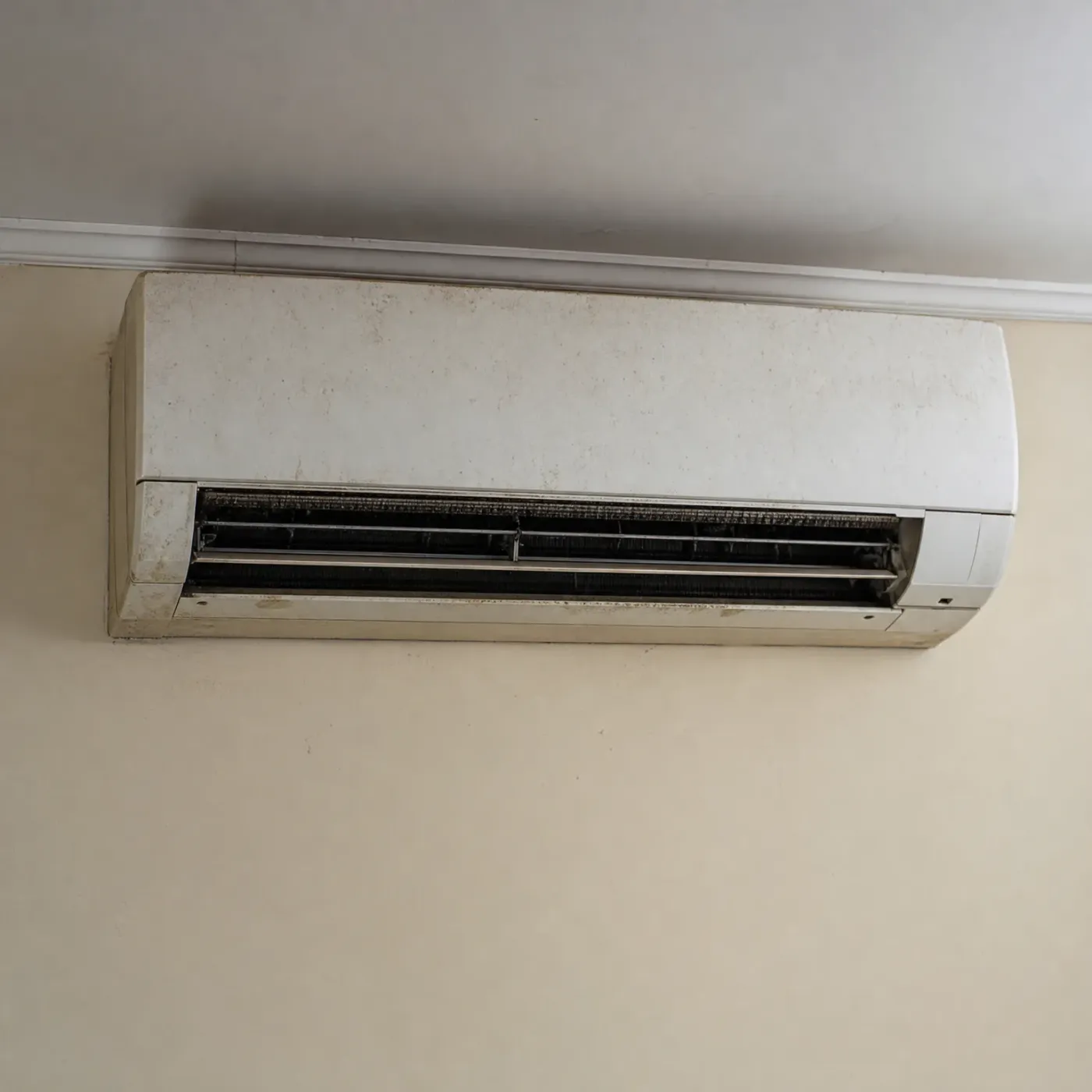
You set one steady target temperature and leave it alone all winter.
The thermostat calls for heat and the compressor starts pulling refrigerant through the system.
The outdoor coil draws heat from the cold air outside, even near zero.
The indoor coil releases that heat and the fan pushes it into the room.


Once outdoor temperatures drop into the single digits, most mini splits lean on backup heat strips to keep up. Servicing before then keeps the compressor doing more of that work.
The outdoor coil pulls heat from the air; the indoor coil releases it. A clean coil on both ends moves more heat for the same amount of power.
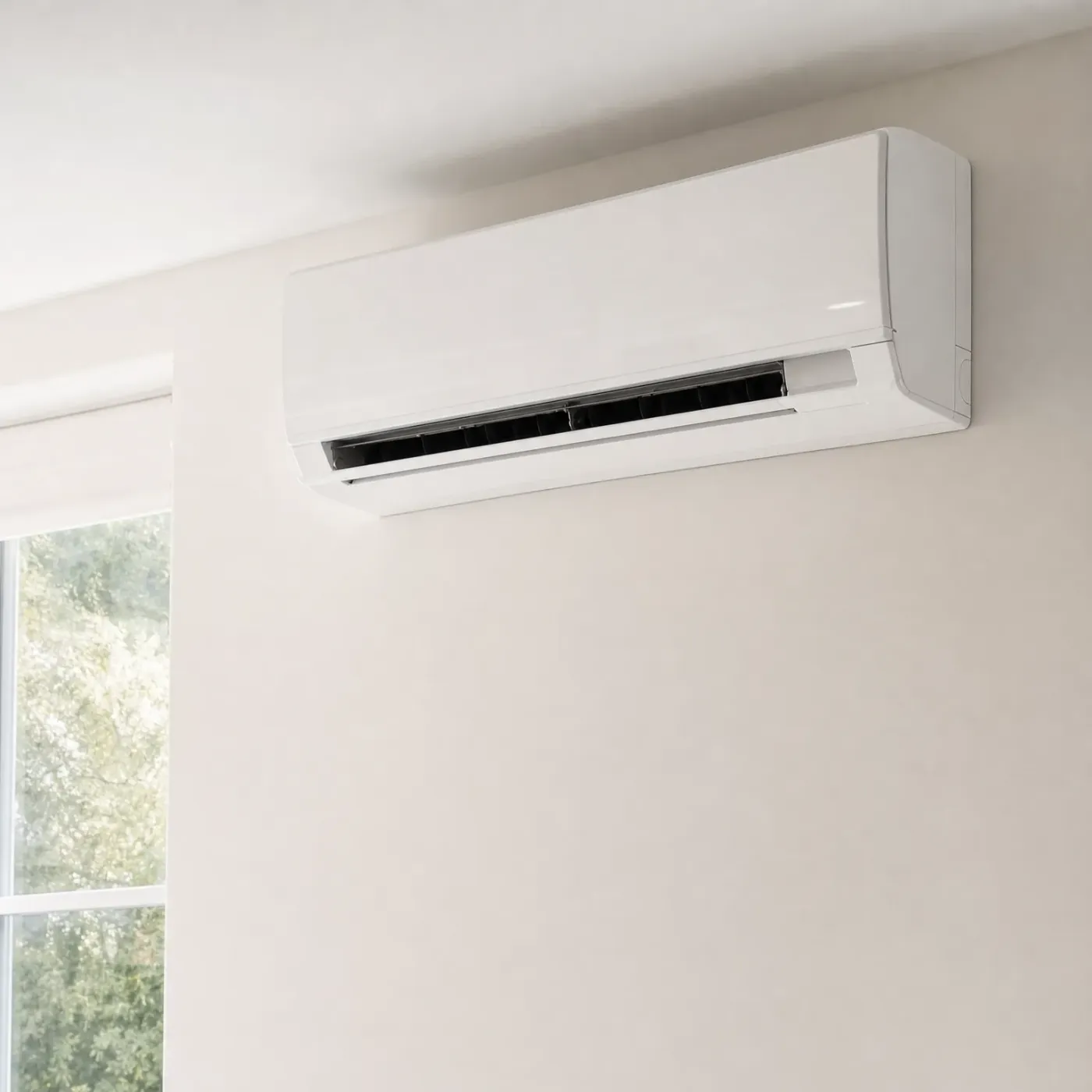
That dew point number is a summer figure, so it is not what you are fighting in January. In winter, the air outside your mini split is dry, and dry cold air gives up less heat than humid cold air, which is part of why the unit leans harder on backup strips once temperatures drop into the single digits. Summer here runs a dew point of 60°F on average, per NOAA climate data, and that same sticky air is what the outdoor coil has to shed moisture from come July, running defrost logic in reverse during the cold months instead. The two seasons ask different things of the same coil.
NASA POWER T2MDEW county cells weighted by homes
Set it once, somewhere in the mid sixties, and leave it there through the winter. That steady number, not constant adjusting, is what keeps the compressor doing the work instead of the backup strips. Whether it actually holds that line through a January cold snap comes down to whether the coil is clean and the refrigerant charge is right, and that's a servicing question, not a thermostat question. A tech who works on mini splits all over Wisconsin every winter has seen which parts give out first in weather like this, the kind of thing you only learn from doing it season after season in this climate. Request service and that's who shows up, one contractor who already knows the equipment, not a string of callbacks from companies competing for the job. You explain the unit and where it sits in the house once, to someone who's going to be the one standing in front of it.

Only one pro gets your request, so you hear from one company.
You only hire the pro if you want to.